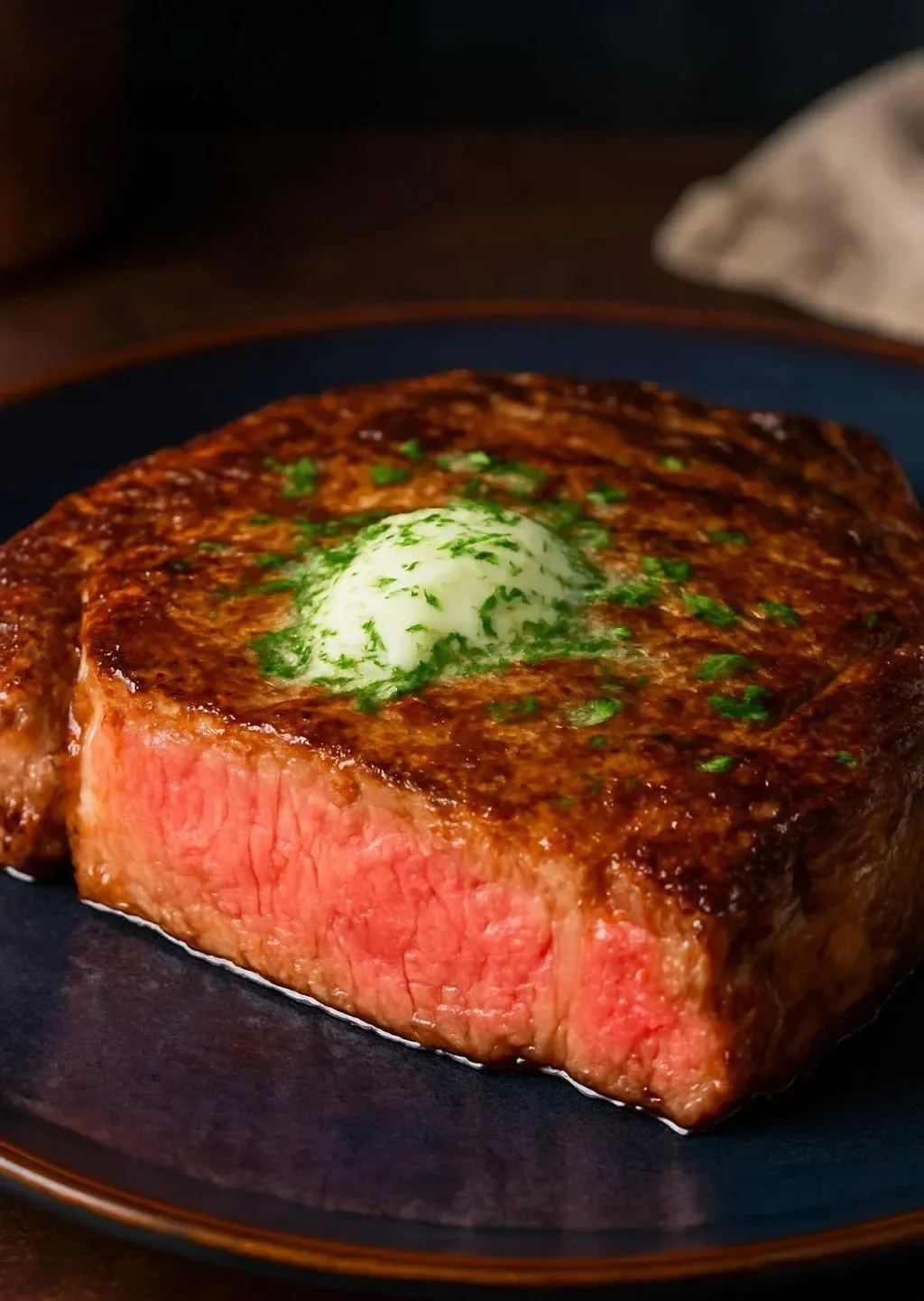
How to Make The Pioneer Woman’s Tender Cowboy Steak
How to Make The Pioneer Woman’s Tender Cowboy Steak
This guide breaks down, step by step, how to achieve a juicy, tender cowboy steak like the one from the Pioneer Woman—techniques, ingredient notes, equipment, and troubleshooting so you can reproduce the restaurant-quality results at home. If you want a bright, easy vegetable side, try learning how to make 3 cups of spinach taste like candy for a vibrant counterpoint to the richness below.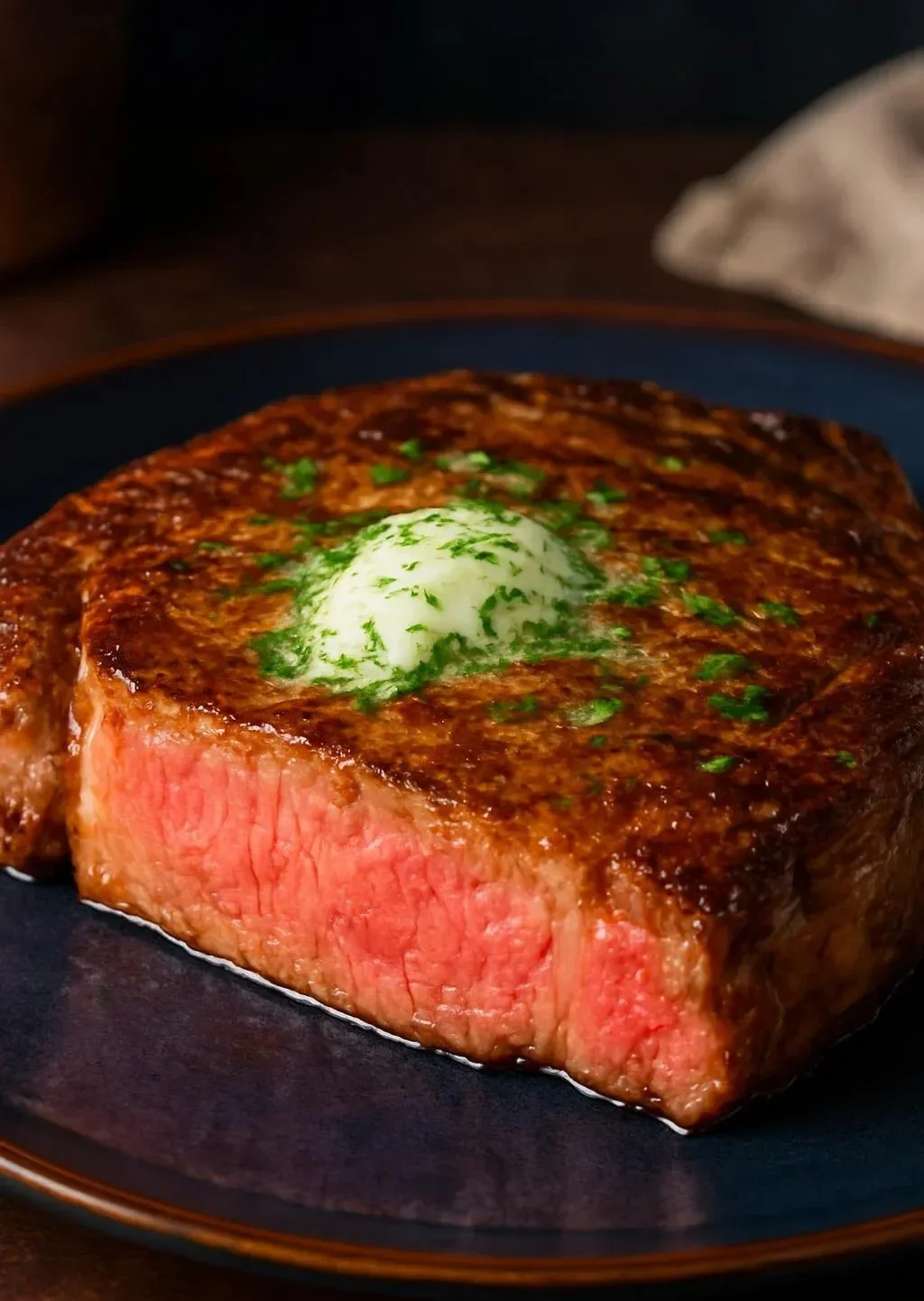
Overview and what makes this steak special
A cowboy steak is a thick-cut bone-in ribeye, typically 1.5–2 inches thick, prized for its marbling, fat cap, and beefy flavor. The combination of high internal fat and the bone contributes to both tenderness and a deep, beefy aroma when cooked properly. The method focused on high-heat searing followed by gentle carryover cooking tames the exterior while preserving a pink, tender center.
Key elements that make success predictable:
- A well-marbled ribeye cut, ideally USDA Choice or Prime.
- Thick cut allows a flavorful crust without overcooking the interior.
- A simple salt-forward seasoning that enhances natural beef flavor.
- Patience during resting to redistribute juices.
Understanding these points helps you adapt timing and temp to your oven, pan, or grill.
Ingredients (with notes)
- 1 bone-in ribeye steak (1.5–2 inches thick, 24–32 oz)
- Kosher salt (coarse) — for dry brining
- Freshly ground black pepper — applied just before cooking
- 2–3 tbsp neutral oil with a high smoke point (canola, grapeseed)
- 2 tbsp butter (optional, for basting)
- 2–3 cloves garlic, lightly crushed (optional)
- Fresh thyme or rosemary sprigs (optional)
Notes:
- Dry brining with kosher salt for at least 1 hour (up to 24 hours) improves tenderness and crust development. For best texture, salt 1–2 teaspoons per pound and refrigerate uncovered.
- Trim only excess heavy fat; leaving a 1/8–1/4 inch fat cap helps flavor and juiciness.
- If using black pepper pre-sear, it can char quickly; for the crispiest crust, apply pepper right before the pan or grill.
Equipment needed
- Heavy-duty cast iron skillet or a grill with high-heat capability
- Instant-read thermometer (essential)
- Tongs and a spatula
- Oven or warming area for carryover cooking (if finishing in oven)
- Wire rack and baking sheet for resting
- Kitchen timer and butcher’s twine (if needed to keep steak flat)
Why each matters:
- Cast iron retains and distributes heat for an even, deep Maillard crust.
- An instant-read thermometer removes guesswork; thickness varies and visual cues can mislead.
- A wire rack prevents steaming the crust during rest.
Step-by-step instructions
- Bring steak to near room temperature: Remove from fridge 30–60 minutes before cooking to reduce thermal shock and shorten cooking time.
- Dry and salt: Pat the steak dry with paper towels. If not dry-brined earlier, coat evenly with kosher salt and let sit for 30–60 minutes.
- Preheat your skillet or grill: Get the cast iron screaming hot—smoke point oil shimmering—before the steak touches it. On a grill, set up a hot direct zone.
- Sear the steak: Add oil to the pan, then place the steak down away from you. Sear without moving 2–3 minutes per side for a deep crust; for a thicker steak, sear edges with tongs to render fat.
- Optional basting: Add butter, garlic, and herbs to the pan; tilt and spoon melted butter over the steak for 30–60 seconds to add flavor and assist browning.
- Finish to temp: For steaks thicker than 1.5 inches, transfer the skillet to a 375°F oven or move the steak to a cooler grill zone and cook until the internal temperature is 120–125°F for rare, 125–130°F for medium-rare, or 135°F for medium.
- Rest properly: Move to a wire rack and tent loosely with foil. Rest 10–15 minutes—carryover cooking will raise temp a few degrees while juices redistribute.
- Slice against the grain: Serve in thick slices, enjoying the crisp exterior and tender interior.
Use your instant-read thermometer at the thickest part; reliance on time alone often overcooks or undercooks.
Pro tips for consistent tenderness and crust
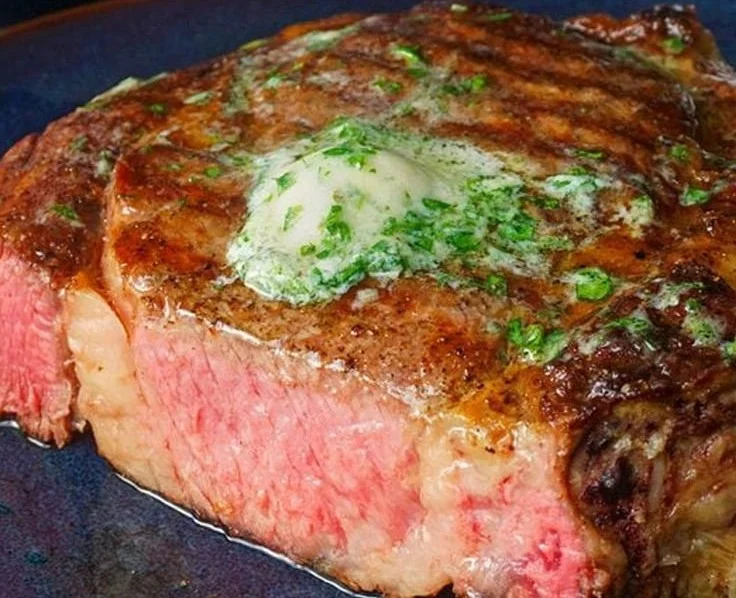
- Reverse sear alternative: Slow-roast at 275°F to an internal temp ~10–15°F below target, then finish with a 1–2 minute per side sear for a dramatic edge-to-center color gradient and uniform doneness.
- Salt early for texture: A long dry-brine (several hours) tightens proteins first, then allows them to reabsorb moisture so the steak stays juicier when cooked.
- Manage smoke with ventilation and a high smoke-point oil; excess smoke indicates the pan is too hot or oil degrading.
- Use butter at the end only: Browning butter too early burns it; add near the end of searing for flavor, not crust.
- Resting matters: Cutting too early loses up to 30% of juices. A 10–15 minute rest is non-negotiable for thick steaks.
Storage and reheating instructions
- Short-term storage: Refrigerate cooked steak in an airtight container for up to 3–4 days.
- Reheating: Use a low oven (250–275°F) on a wire rack until internal temp reaches 110–120°F, then quickly sear in a hot pan for crust. This method preserves juiciness better than microwave.
- Freezing: Wrap well and freeze for up to 3 months. Thaw fully in the fridge before reheating.
- For a light palate cleanser or cooling beverage between rich bites, try learning how to make aloe vera juice—it’s refreshing and gentle.
Pairings and sauces
- Classic compound butter: Soften butter, mix with minced garlic, herbs, and a pinch of salt; melt over hot slices for instant sauce.
- Pan jus: Deglaze the skillet with a splash of beef broth or red wine, reduce, and finish with butter for a rich pan sauce.
- Sides that balance richness: Acidic or bitter greens, a bright chimichurri, or pickled vegetables cut through fat.
- Wine pairing: Rich cabernet or bold zinfandel stand up to beefy ribeyes; lighter sides can steer toward a pinot noir.
Select accompaniments that contrast the steak’s richness—acid and bitterness are excellent partners.
Variations and alternatives
- Garlic-herb crust: Press a coarse mix of panko, grated Parmesan, herbs, and minced garlic onto a butter-brushed steak and broil quickly to crisp.
- Smoky finish: Reverse sear on a grill with wood chips for a subtle smoke layer without overcooking.
- Steakhouse peppercorn: Crush peppercorns and press into the steak before searing for a peppery crust.
- Smaller portions: For weeknight meals, cut the cowboy into thick center-cut filets and reduce sear/finish time.
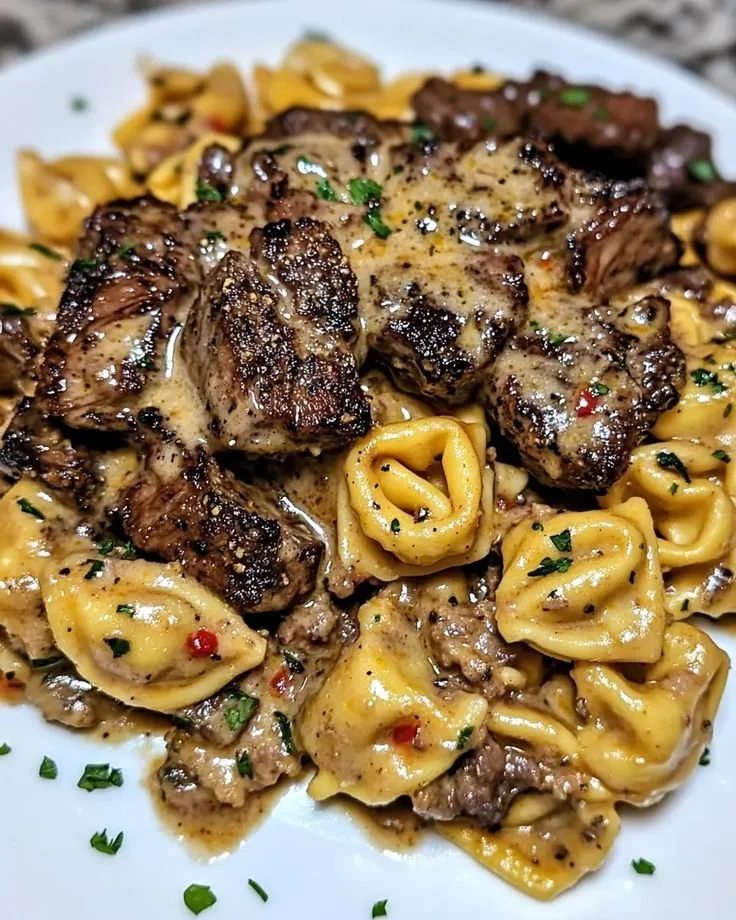
- If you prefer a one-pan, more casual riff combining pasta and steak bites, try the one-pan cowboy butter tortellini steak bites recipe as an alternative approach.
Each variation tweaks texture or flavor while using the same core techniques for tenderness.
Common mistakes and troubleshooting
- Mistake: Searing a cold steak straight from the fridge. Result: uneven cook and diminished crust. Fix: Allow partial tempering to room temp.
- Mistake: Overcrowding the pan. Result: steam instead of crust. Fix: Work in batches or use a larger pan.
- Mistake: Not using an instant-read thermometer. Result: guesswork yields inconsistent doneness. Fix: Calibrate and use the thermometer on the thickest part.
- Mistake: Cutting immediately after cooking. Result: runaway juices and a dry plate. Fix: Rest 10–15 minutes before slicing.
- Mistake: Heavy-handed flipping. Result: disrupted crust. Fix: Sear 2–3 minutes per side without moving, then flip once.
If the interior is overcooked, serve thinly sliced with a sauce or chopped into salads to regain moisture and usability. If undercooked, a brief return to the pan or oven will finish without ruining the crust.
Frequently asked questions
How do I choose the right steak thickness?
- Aim for 1.5–2 inches for a cowboy-style ribeye. Thinner cuts cook too quickly to form a good contrast between crust and center.
Can I use a gas grill instead of a skillet?
- Yes. Use a high direct heat zone for searing, then move to indirect heat to finish. Monitor internal temp closely.
What is target temperature for medium-rare?
- Remove from heat at 125–130°F; carryover will bring it to 130–135°F during rest.
Is butter necessary?
- No, but finishing with butter and aromatics adds richness and flavor depth. For a purer beef crust, omit butter until after resting.
How long should I dry-brine?
- Minimum 1 hour for thickness; optimum 12–24 hours refrigerated for the best crust and internal texture.
Which knife is best for slicing?
- A sharp carving knife or chef’s knife that can make clean long strokes gives the best presentation and texture.
With attention to salt, heat management, and timing, you can reliably produce a tender, flavorful cowboy steak at home—crispy exterior, juicy interior, and perfect for sharing.