Cowboy Butter (Herb & Spice Compound Butter for Steak)
What this herb-and-spice compound adds to steak and why it works
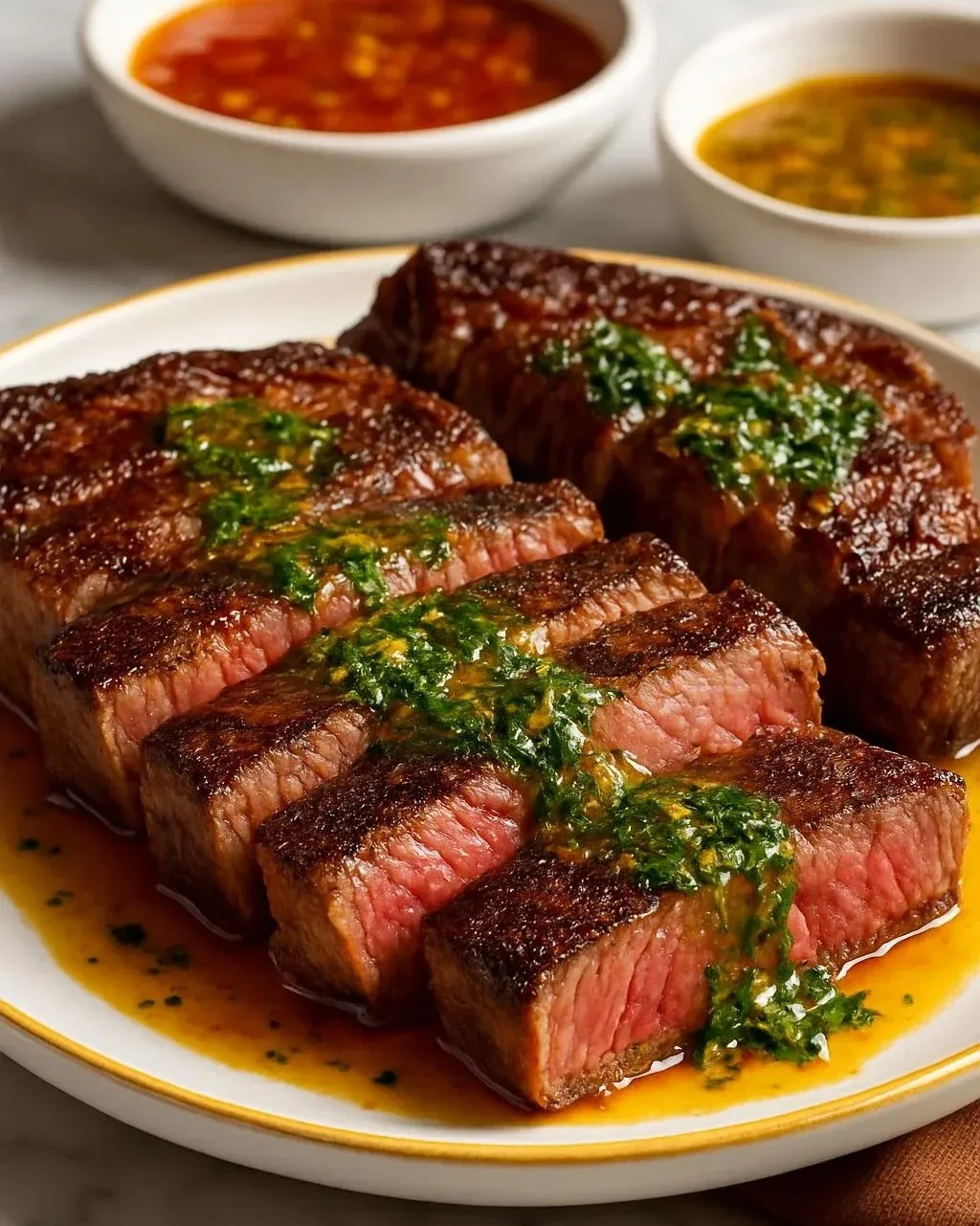
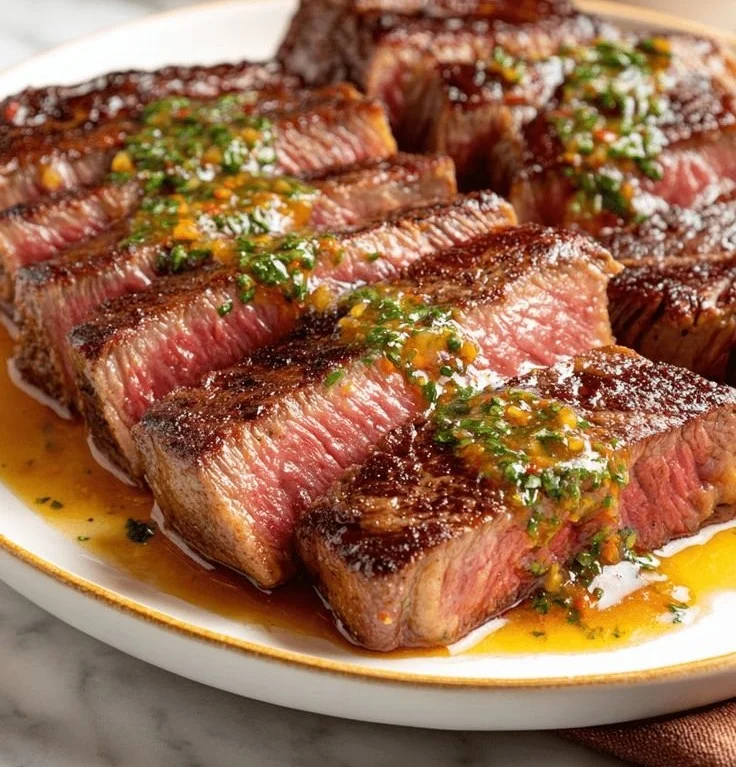
A small pat of flavored butter transforms grilled or pan-seared steak by melting into the crust and carrying concentrated aromatics directly onto the meat. This style of compound butter blends softened butter with fresh herbs, assertive spices, and a touch of acid or umami to create a finishing sauce that’s both effortless and restaurant-level. If you like bold finishes, try it on a one-pan steak and tortellini dish for a quick weeknight upgrade using the one-pan cowboy butter tortellini & steak bites recipe.
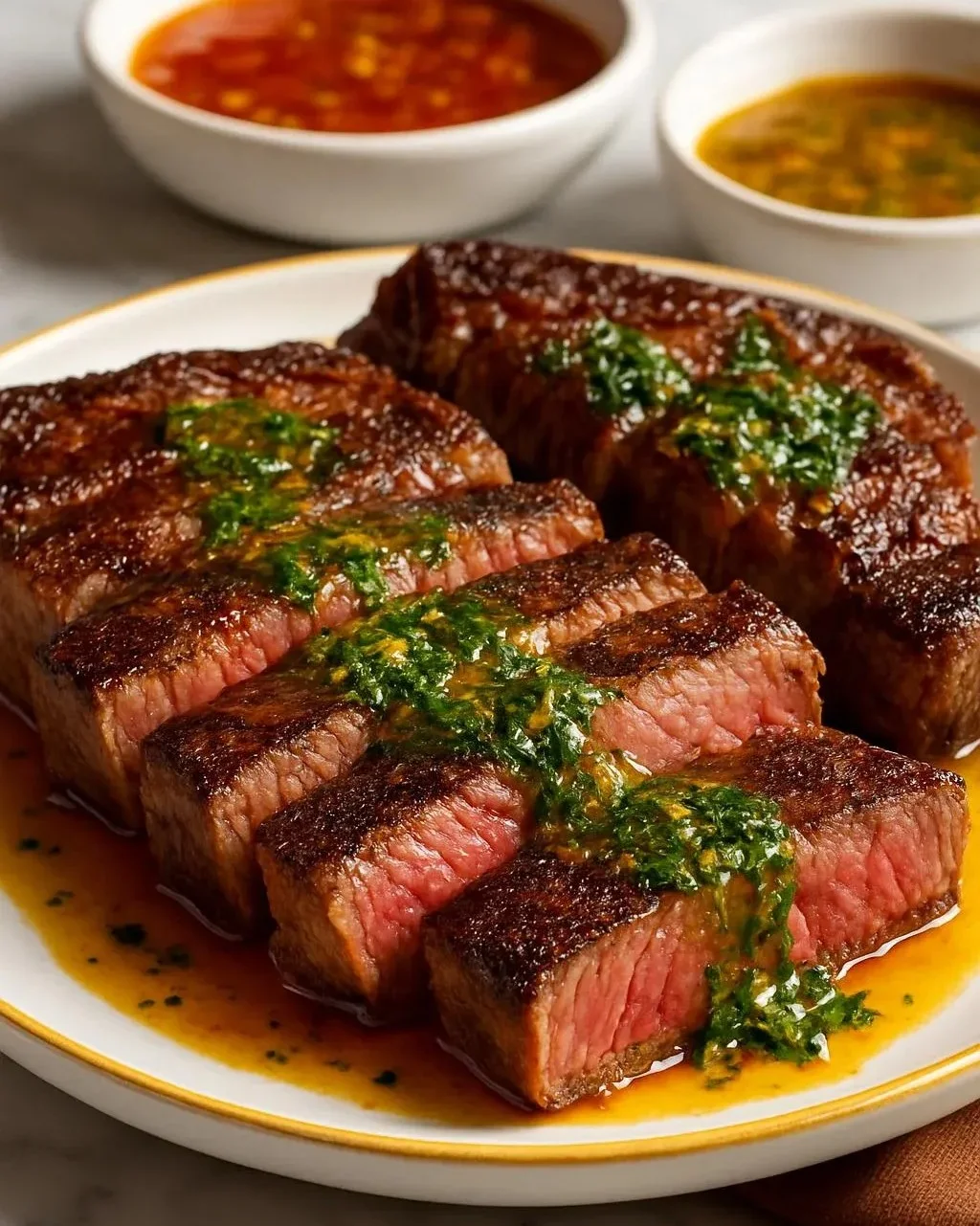
Ingredients with precise purpose and substitution notes
Every ingredient has a role: fat, aromatics, heat, acid, and texture. Use these notes to balance your butter for different cuts and cooking methods.
- Unsalted butter (room temperature): Base fat and carrier for flavors. Unsalted gives you control over seasoning. For a lighter finish, substitute half European-style butter.
- Fresh parsley and chives: Brightness and herbaceous backbone. Use 2:1 parsley to chives for balance.
- Minced garlic or roasted garlic: Garlic gives bite; roasted garlic adds mellow sweetness. Use raw for sharpness, roasted for gentler flavor.
- Dijon mustard: Tiny amount stabilizes emulsion and adds tang; essential for cutting richness.
- Smoked paprika and black pepper: Smoked paprika provides depth and a barbecue note; black pepper brings heat and aroma.
- Crushed red pepper or cayenne: Optional for spicy kick — add sparingly to not overwhelm the beef.
- Lemon zest or a splash of apple cider vinegar: Adds lift so the butter doesn’t taste flat.
- Finishing salt (flaky sea salt): Sprinkled just before serving to keep texture contrast.
- Optional umami boosters: Finely chopped anchovies, Worcestershire, or a touch of miso paste can deepen flavor for hearty cuts.
Portion guideline: mix about 1/2 cup (1 stick) softened butter per 2–3 steaks, adjusting if you plan to slather or top multiple servings.
Equipment needed and prep tips for perfect texture
The right tools help you get a silky, homogeneous compound butter that melts smoothly.
- Small mixing bowl and spoon or rubber spatula for manual mixing.
- Microplane for zesting lemon and grating garlic if using raw.
- Food processor for an ultra-smooth emulsion (pulse briefly to avoid overworking).
- Plastic wrap or parchment for shaping into a log to chill.
- Instant-read thermometer for cooking steaks to the right doneness (helps time the butter melt).
Prep tip: soften butter to a scoopable but not oily consistency; too soft yields a greasy product that won’t hold shape when chilled.
Step-by-step instructions to make the compound butter
Follow a short, methodical process so flavors meld without turning greasy.
- Soften butter at room temperature until slightly pliable but still cool.
- Finely chop herbs and aromatics; zest citrus and measure spices.
- Combine butter, herbs, garlic, mustard, paprika, a pinch of salt, and any optional umami in a bowl. Mix until uniform.
- Taste a tiny dollop on a warm piece of bread or a cooked steak scrap to adjust salt and acid.
- Place mixture onto plastic wrap or parchment, shape into a tight log, twist ends, and refrigerate at least 1 hour to firm up.
- For serving, cut 1/2–1 tablespoon rounds and place atop hot steaks to melt; alternatively, melt slices in the pan to make a quick sauce.
Timing note: Make the butter at least an hour ahead for flavors to marry; it keeps in the fridge for up to a week.
How to use it with different steak cuts and cooking methods
Thickness, fat content, and cooking technique affect how the compound butter behaves.
- Thin cuts (flank, skirt): Use a small dab off-heat to avoid overwhelming the meat; the melted butter will spread quickly.
- Thick cuts (ribeye, strip, tomahawk): Place a generous pat immediately after resting so the butter melts steadily into the interior juices.
- Cast-iron seared steaks: Finish by basting with butter in the pan; add a pat for immediate gloss and aromatics.
- Grilled steaks: Rest the meat, then top with butter just before serving so it melts on warm surface rather than burning on flames.
Practical tip: Always rest steaks 5–10 minutes after cooking before adding butter; otherwise, melted butter will run off and reduce its impact.
Pro tips to maximize flavor and presentation
Small adjustments make a big difference in how the compound butter elevates steak.
- Salt late: Season steaks before cooking, but reserve some finishing flaky salt to sprinkle after the butter melts for crunch.
- Warm slices: If butter is fridge-hard, thinly slice and let rounds warm briefly on plate edges so they soften immediately on the steak.
- Herb texture: Use chiffonade for delicate herbs and tiny dice for heartier ones like rosemary to avoid sharp needles in the mouth.
- Layering flavors: When pan-searing, add a small spoon of butter mixture to the pan at the end and baste, then place an extra pat atop the rested steak.
- Visual finish: Garnish with a single microgreen or smoked paprika dust to signal the flavor profile.
Common mistakes and how to avoid them
Avoid these frequent missteps that dull both flavor and texture.
- Over-softening the butter: Melted or greasy texture results from overheated butter. Keep it cool enough to hold shape.
- Under-seasoning: Compound butters need a little extra salt and acid to balance fat — taste and correct before chilling.
- Using dried herbs only: Dried herbs are okay, but fresh herbs deliver brighter aroma. If using dried, reduce quantity and toast briefly for flavor.
- Adding raw acidic liquids excessively: Too much vinegar or lemon softens butter and can cause separation.
- Applying to cold steak: Cold meat will congeal the butter; always use on warm, rested steak.
Storage, freezing, and shelf life
Plan for make-ahead convenience and proper storage to maintain quality.
- Refrigerator: Wrapped tightly, the butter keeps 5–7 days.
- Freezer: Slice into rounds, flash-freeze on a tray, then store in an airtight bag for up to 3 months.
- Thawing: Move frozen slices to the fridge a few hours before use or pop them onto hot steak from frozen for a striking presentation.
Label with date and mix variations so you know which flavor profile you’re reaching for.
Pairings and side dishes that amplify the finish
The butter’s smoky, herby, and slightly tangy profile suggests certain sides and sauces that complement without competing.
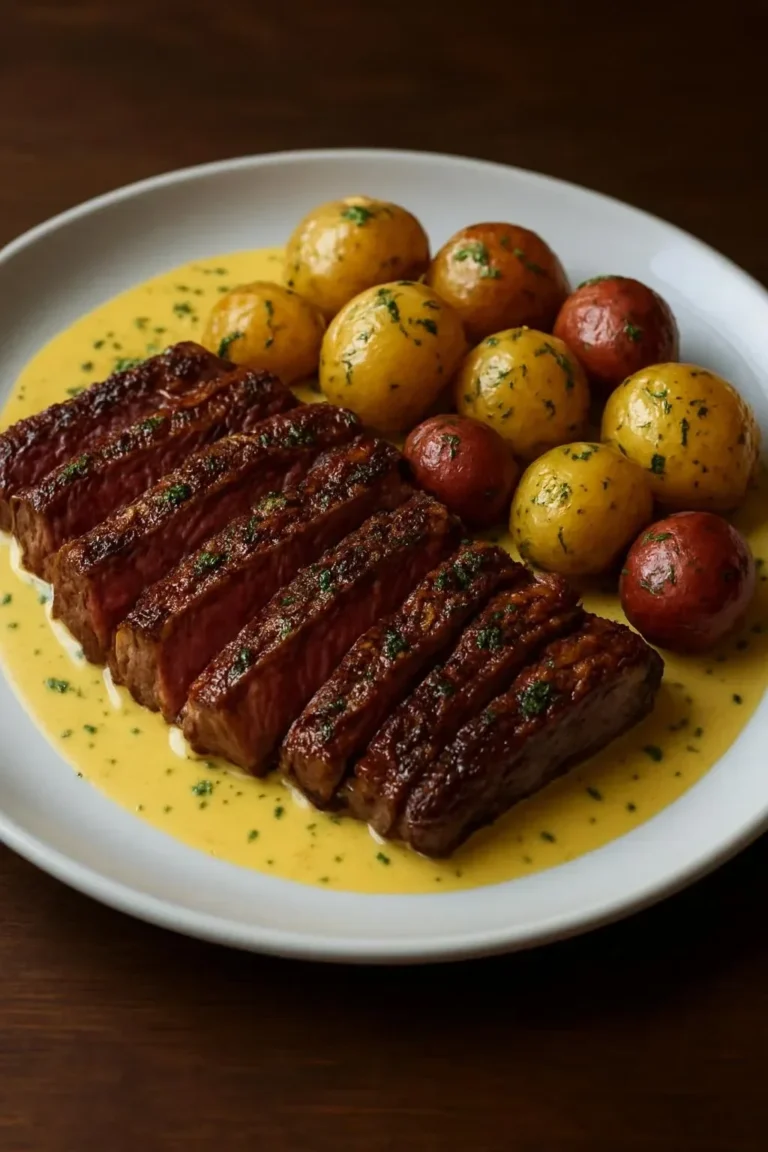
- Potatoes: Crispy roasted fingerlings or pommes purée pick up the butter’s aromatics.
- Vegetables: Charred asparagus, roasted mushrooms, or grilled corn handle bold flavors well.
- Sauces: A spoonful of compound butter plus pan juices makes an instant jus; avoid heavy cream sauces that mask the butter’s herbs.
- Bread: Rustic sourdough or warm rolls for mopping melted butter from the plate.
For a broader set of warm, comforting pairings inspired by bold flavors, explore these comforting Mexican dishes that pair well with rich, savory finishes.
Flavor variations and creative alternatives
Adapt the base for regional tastes or to match wine and sides.
- Southwestern: Add cumin, coriander, chipotle powder, and cilantro for smoky heat.
- Garlic-parmesan: Fold in grated parmesan and extra garlic for a nutty, savory topping that browns beautifully.
- Herb-forward: Double parsley and add tarragon for a bright, almost peppery finish ideal for lean steaks.
- Umami-rich: Mix in finely chopped anchovy or miso and reduce added salt for deep savory notes.
- Spicy-citrus: Combine lime zest, jalapeño, and cilantro for a zesty contrast to charred beef.
You can also use a small dab on pasta for a quick sauce; pairing compound butter with noodles offers an unexpected but delicious crossover—try it alongside an Italian drunken noodles-style fusion for an inventive weeknight plate.
Frequently asked questions
What’s the best butter to use? Use unsalted European-style for richer flavor; unsalted gives better salt control.
Can I make it oil-free? Not really—this is a butter-based finishing sauce. Use clarified butter (ghee) for a higher smoke point but you’ll lose some of the creamy mouthfeel.
How much should I use per steak? Plan 1/2 to 1 tablespoon per serving for finishing; increase for richer toppings or sauces.
Is it safe to add dairy-based butter to resting steak? Yes—melting the butter on warm meat is traditional and safe when the meat has been cooked to a safe temperature and rested properly.
Serving checklist before plating
- Rest steaks fully and pat dry if necessary.
- Cut chilled butter into even rounds and place on hot plates so it softens upon contact.
- Finish with a light sprinkle of flaky salt and a quick grind of black pepper.
- Serve immediately so the butter remains glossy and aromatic.