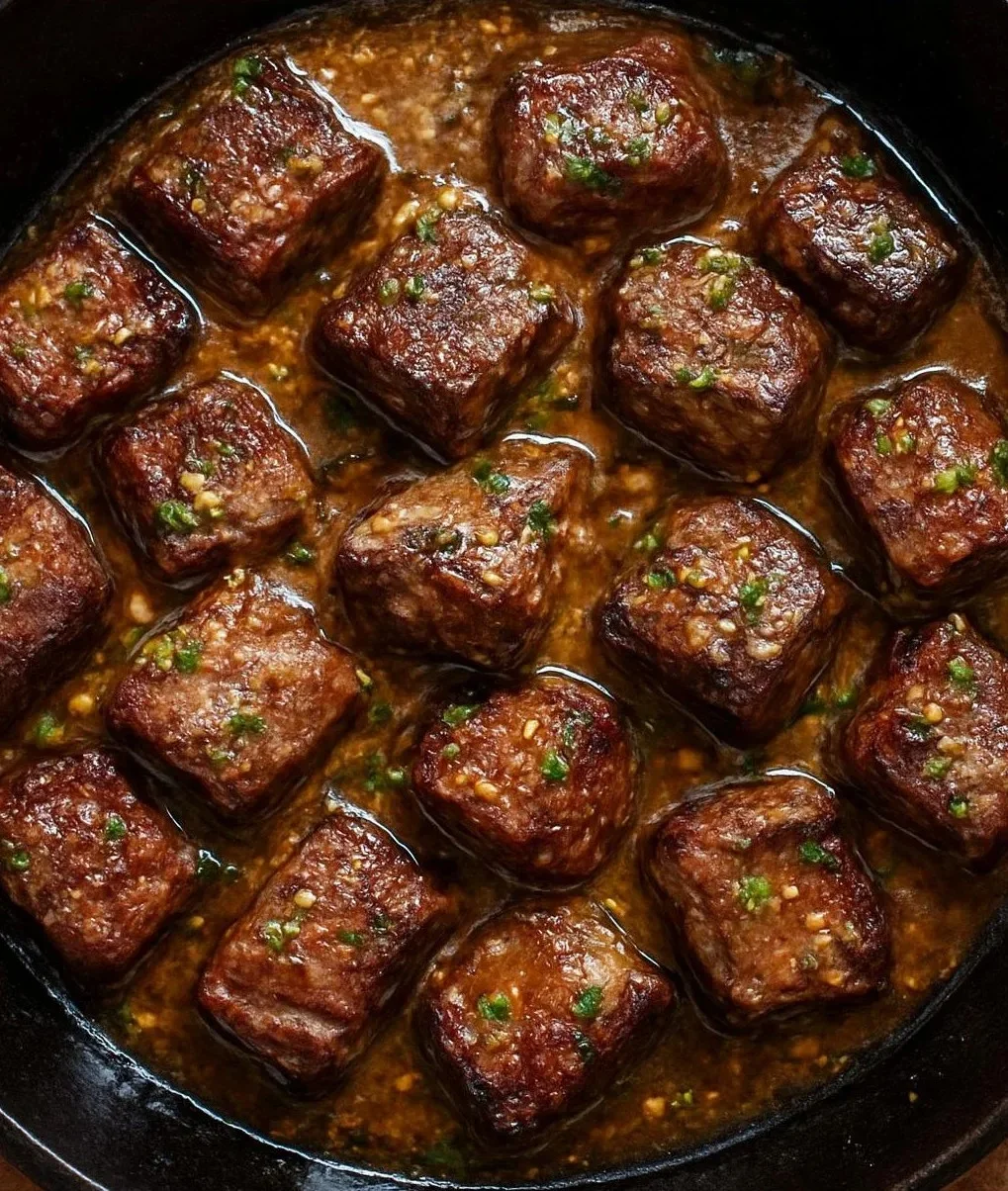
Cowboy Butter Steak Bites
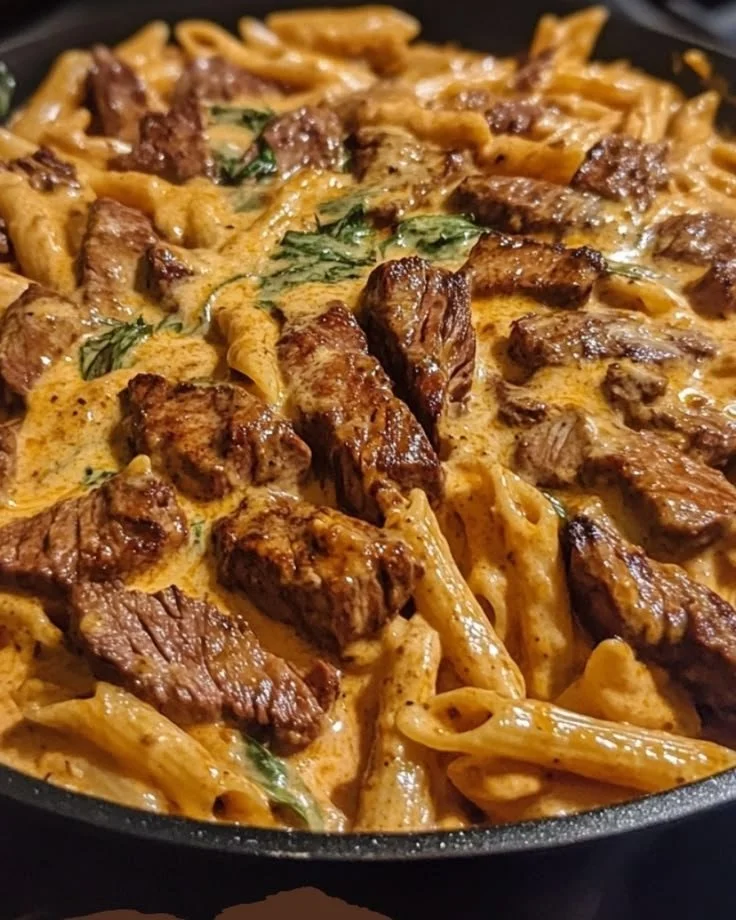
Searing small, butter- and herb-coated cubes of steak creates an addictive combination of crisp exterior and tender center that works equally well for weeknight dinners, appetizers, or a game-day spread. The following recipe and guidance focus on maximizing flavor and texture while keeping the method straightforward so you can reproduce restaurant-quality results at home. For a skillet variation that pairs these steak morsels with pasta, see this one-pan cowboy butter tortellini steak bites recipe for an efficient twist.
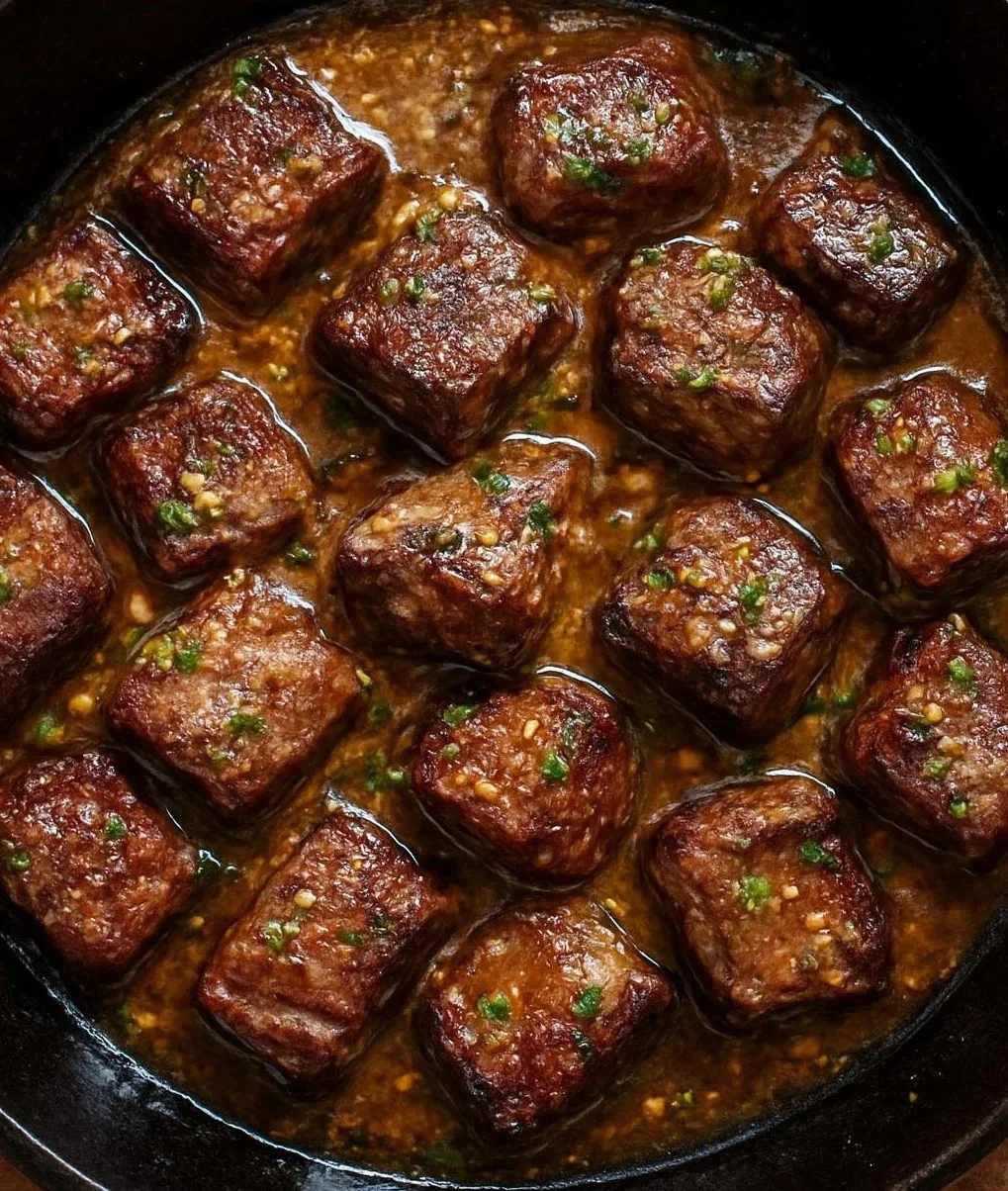
Why this preparation stands out
This approach concentrates on three complementary elements: a bold seasoning blend, clarified or browned butter for flavor intensity, and high-heat searing to lock in juices. The result is a dish where every bite delivers savory beef, nutty butter notes, bright herbs, and a hint of acid to cut richness. Because the pieces are small, they cook quickly and develop a caramelized crust without overcooking the interior when handled correctly.
Ingredients with practical notes
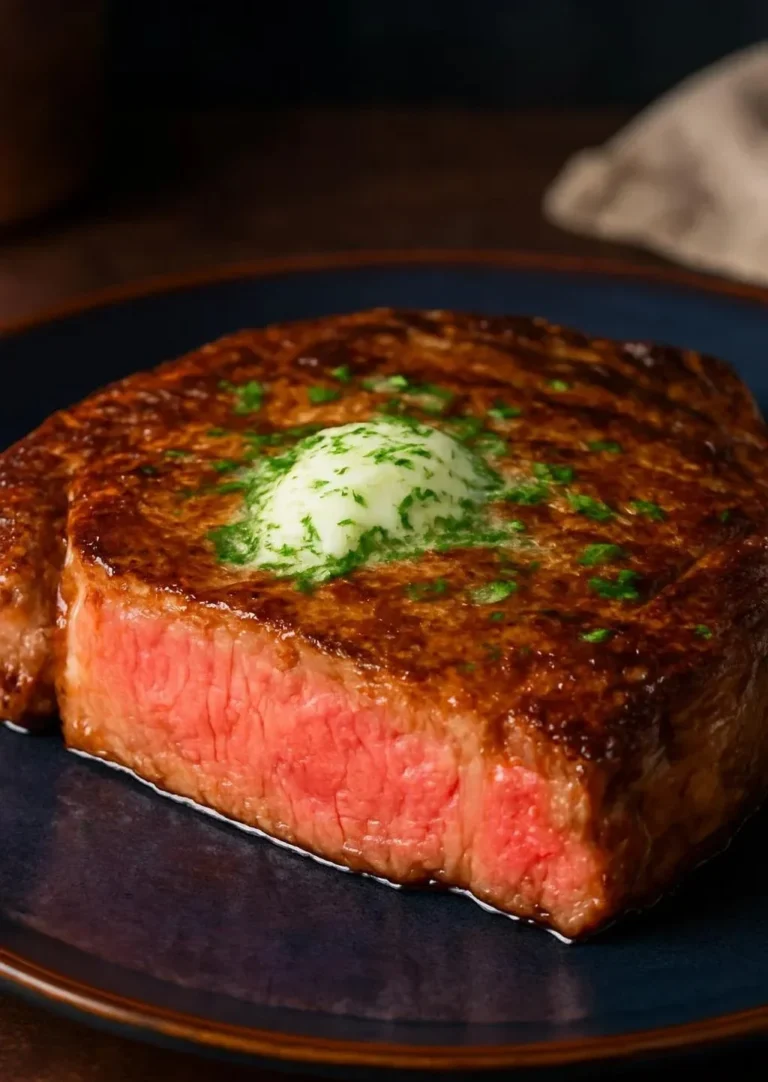
- 1½ to 2 pounds of steak, cut into 1-inch cubes (sirloin, ribeye, or tri-tip work best)
- Note: Choose good marbling for tenderness; leaner cuts like flank need shorter cooking and slicing across the grain.
- 3 tablespoons clarified butter or ghee
- Note: Clarified butter tolerates higher heat and provides concentrated butter flavor.
- 2 tablespoons unsalted butter
- Note: Adds finishing richness and helps sauces emulsify.
- 1½ teaspoons kosher salt and ¾ teaspoon freshly ground black pepper
- Note: Salt both seasons and helps form a crust; measure based on weight and personal taste.
- 1 tablespoon Worcestershire sauce
- Note: Adds umami without overpowering.
- 2 teaspoons smoked paprika
- Note: Contributes a subtle smoky profile; use sweet paprika if you prefer no smoke.
- 1 teaspoon garlic powder and ½ teaspoon onion powder
- Note: Powdered aromatics disperse evenly on small pieces.
- 2 cloves garlic, minced
- Note: Added toward the end to prevent burning and to retain fresh garlic flavor.
- 2 tablespoons chopped fresh parsley and 1 tablespoon chopped chives or green onion
- Note: Fresh herbs brighten the rich butter base.
- 1 tablespoon lemon juice or apple cider vinegar
- Note: A small acid lift balances fat and refreshes the palate.
- Optional: ½ teaspoon red pepper flakes for heat
Essential equipment
- Heavy-bottomed skillet (cast iron preferred) for consistent high-heat searing
- Tongs for turning bites quickly and safely
- Instant-read thermometer to check doneness
- Paper towels and a rimmed sheet pan for resting
- Small bowl for mixing butter sauce
Step-by-step method
- Prep the steak: Pat the cubes very dry with paper towels, then season evenly with salt, pepper, smoked paprika, garlic powder, and onion powder. Dryness is crucial for browning.
- Heat the pan: Place the skillet over medium-high heat until very hot — a drop of water should sizzle and evaporate almost instantly.
- Sear in batches: Add clarified butter and spread to coat. Work in small batches to avoid crowding; overcrowding releases steam and prevents a proper crust. Sear 2 to 3 minutes per side until a deep brown crust forms.
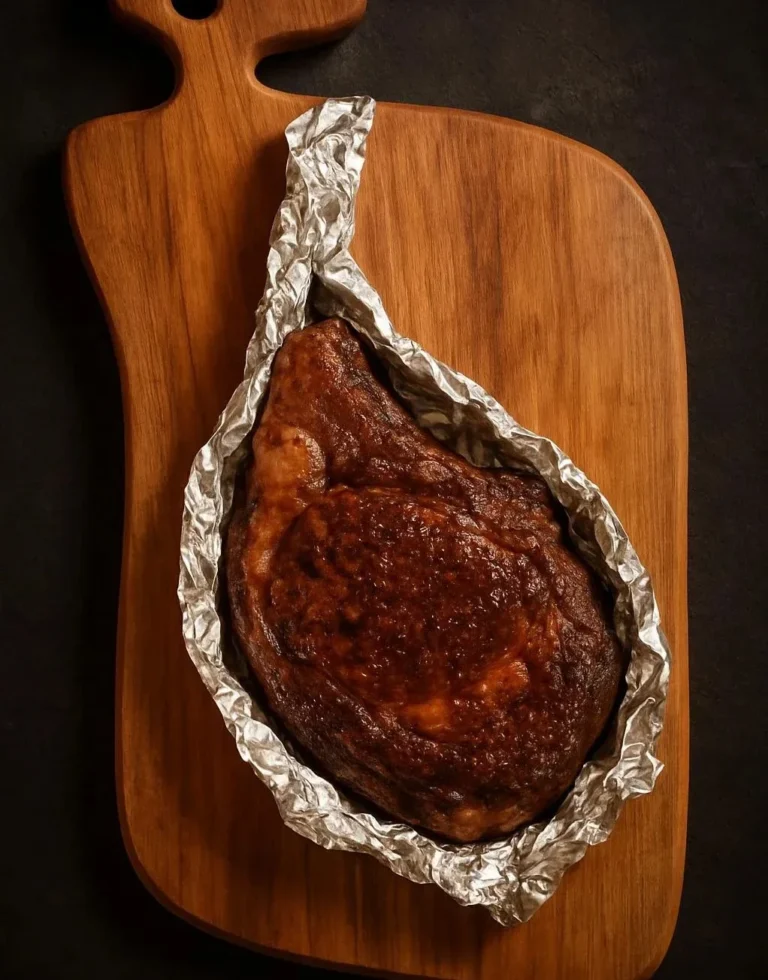
- Rest the meat: Transfer seared bites to a sheet pan and tent lightly with foil for 5 minutes to redistribute juices.
- Make the butter sauce: Reduce heat to medium-low, add unsalted butter to the skillet and melt. Stir in minced garlic and cook briefly until fragrant (20–30 seconds). Deglaze with Worcestershire sauce and lemon juice, scraping up brown bits for flavor.
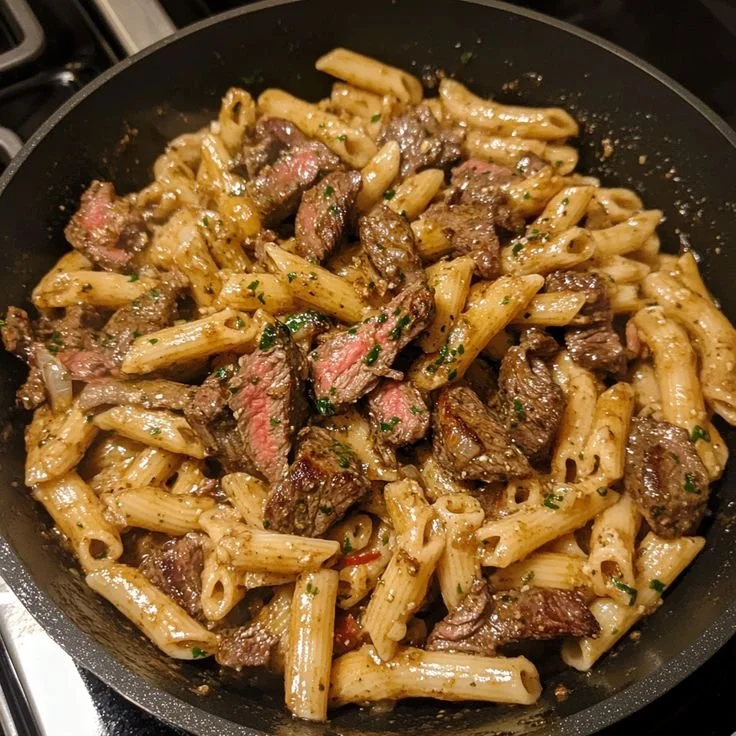
- Finish and toss: Return steak to the skillet and toss to coat with the butter-herb sauce. Stir in chopped parsley and chives just before serving.
- Check doneness: Use an instant-read thermometer — small cubes often reach medium-rare at about 125–130°F after resting due to carryover cooking.
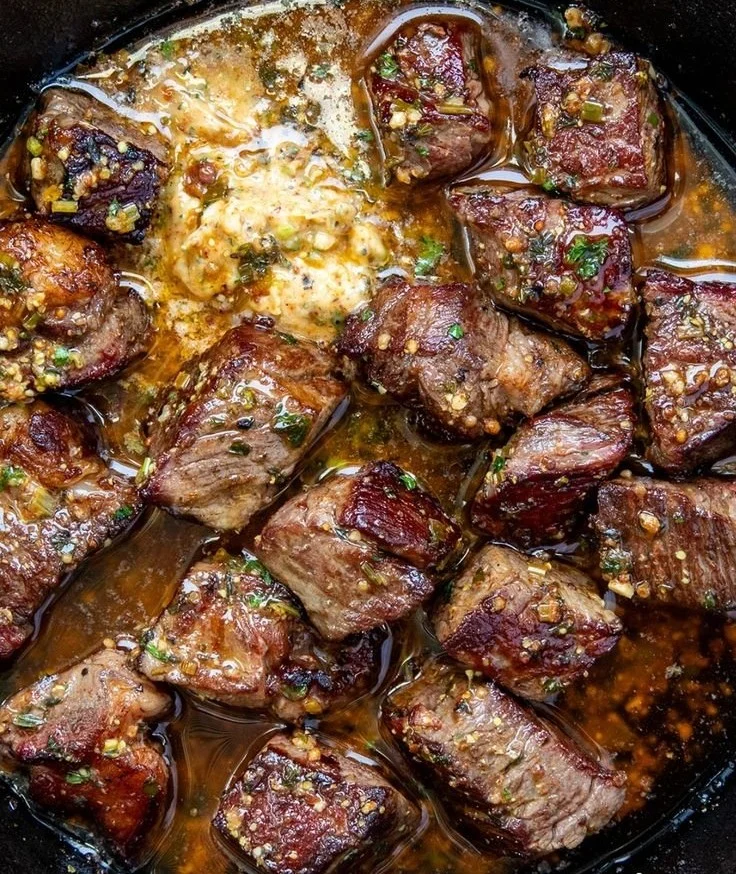
Pro tips for flawless results
- Dry thoroughly: Moisture on the surface is the enemy of a good sear; blotting steak cubes is easy and yields big rewards.
- High heat, quick cook: Because cubes are small, high heat produces a crisp exterior while avoiding an overcooked center.
- Use clarified butter for searing: It resists burning at higher temperatures while still delivering butter flavor; finish with a small knob of whole butter for richness.
- Don’t skip resting: Even short rest times allow juices to redistribute and prevent dryness.
- Try a pairing sip: If you want a creamy, fruit-forward drink to balance richness, consider a banana peanut butter smoothie recipe as a playful nonalcoholic option that echoes the nutty butter notes.
Storage, reheating, and make-ahead tips
- Refrigeration: Cool quickly after cooking, then store in an airtight container for up to 3 days.
- Freezing: Blanching or pre-searing and freezing is possible, but texture can change; freeze in single layers on a sheet, then transfer to a bag for up to 2 months.
- Reheating: Warm gently in a skillet over medium-low with a splash of beef stock or butter to revive sauce and avoid drying out; avoid microwave reheating if texture matters.
- Make-ahead sauce: Prepare the butter-herb sauce in advance and store separately; toss warmed steak with the sauce just before serving to preserve fresh herbs.
Best side dishes and beverage pairings
- Simple starches: Garlic mashed potatoes, roasted fingerling potatoes, or creamy polenta play off the butter sauce without competing.
- Green sides: Charred broccolini, a peppery arugula salad with lemon vinaigrette, or grilled asparagus add bitterness and acidity.
- Toasted bread: Rustic sourdough or crusty baguette is ideal for mopping up sauce.
- Dessert pairing: For a sweet finish that complements the buttery profile without being heavy, consider serving delicate buttercream macarons to provide a refined contrast.
Variations and substitutions
- Spice-level adjustments: Increase red pepper flakes or a dash of cayenne for heat; swap smoked paprika for chipotle powder for a deeper smoky kick.
- Alternate proteins: Use cubed pork tenderloin or large shrimp, adjusting cook times — shrimp sears in under two minutes per side.
- Vegetarian option: Substitute thick tofu cubes, pressed and seared until golden; finish with the same butter-herb sauce, or use vegan butter for a dairy-free version.
- Low-FODMAP/garlic-free: Replace minced garlic with garlic-infused oil to maintain flavor without high-FODMAP ingredients.
Common mistakes and how to avoid them
- Overcrowding the pan: Searing too many pieces at once causes steaming and pale exteriors. Cook in batches and keep finished pieces warm in a low oven.
- Not drying the meat: Skipping the drying step prevents Maillard reaction and leads to a soggy crust.
- Burning aromatics: Adding minced garlic at the highest heat will burn it; lower the pan slightly before adding or add it near the end.
- Overcooking: Small cubes move from perfect to overdone quickly; use an instant-read thermometer and err on the side of slightly under.
- Skipping acid: Without a small acidic element (lemon or vinegar), the dish can feel heavy; even a teaspoon brightens the sauce.
Frequently asked questions
What cut yields the most tender cubes?
- Medium-marbled cuts like sirloin, ribeye, or tri-tip deliver both flavor and tenderness when cut into bite-sized pieces. Lean cuts require care to avoid toughness; slice thinly and cook very briefly.
How do I keep cubes from falling apart?
- Slice against the grain when cutting from larger sections, and handle gently when flipping in the pan. Overcooking makes connective tissue tighten and pieces crumble.
Can I make this gluten-free?
- Yes. Most ingredients are naturally gluten-free; verify that Worcestershire sauce is gluten-free or substitute with tamari or a gluten-free soy sauce alternative.
Is searing necessary if I roast the steak?
- Searing creates a crust and concentrated flavor that roasting alone won’t replicate. If using the oven, start with a high-heat roast to mimic a sear, then finish with a quick pan toss in butter.
How can I adapt this for a crowd?
- Multiply the recipe and work in shifts: sear in batches and keep warm on a sheet pan in a 200°F oven. Finish all batches in the skillet with sauce in two or three turns to coat evenly.
Are leftovers still flavorful?
- Properly stored leftovers remain tasty for up to three days. Reheat gently and add a splash of liquid to re-emulsify the sauce and revive texture.
Final serving checklist
- Serve immediately after tossing cubes in the butter-herb sauce so the crust stays crisp.
- Offer lemon wedges and extra chopped herbs at the table for brightness and freshness.
- Provide a sturdy bread or starch for guests who want to capture every last drop of sauce.
This focused approach prioritizes texture, clear seasoning, and a finishing butter sauce that elevates small pieces of steak into a satisfying, shareable dish.