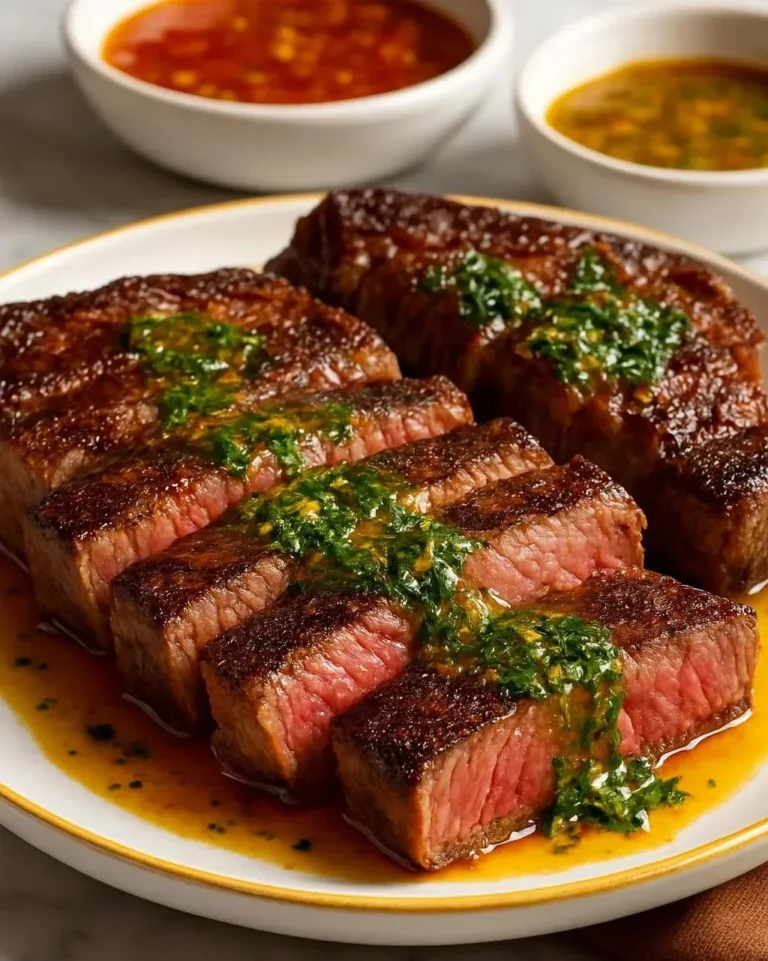
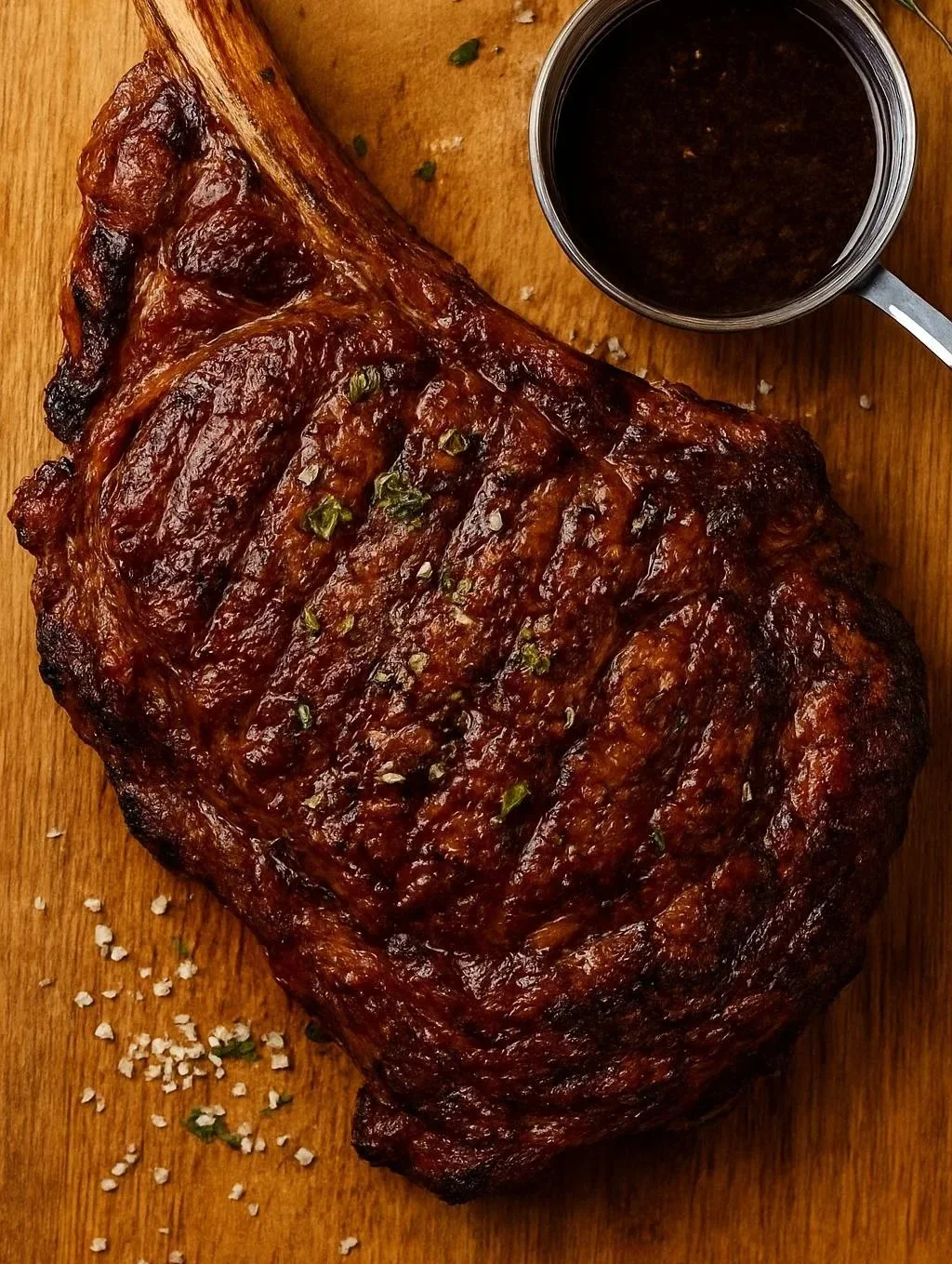
Grilled Ribeye Steak with Dijon Honey Rub
What makes this preparation stand out
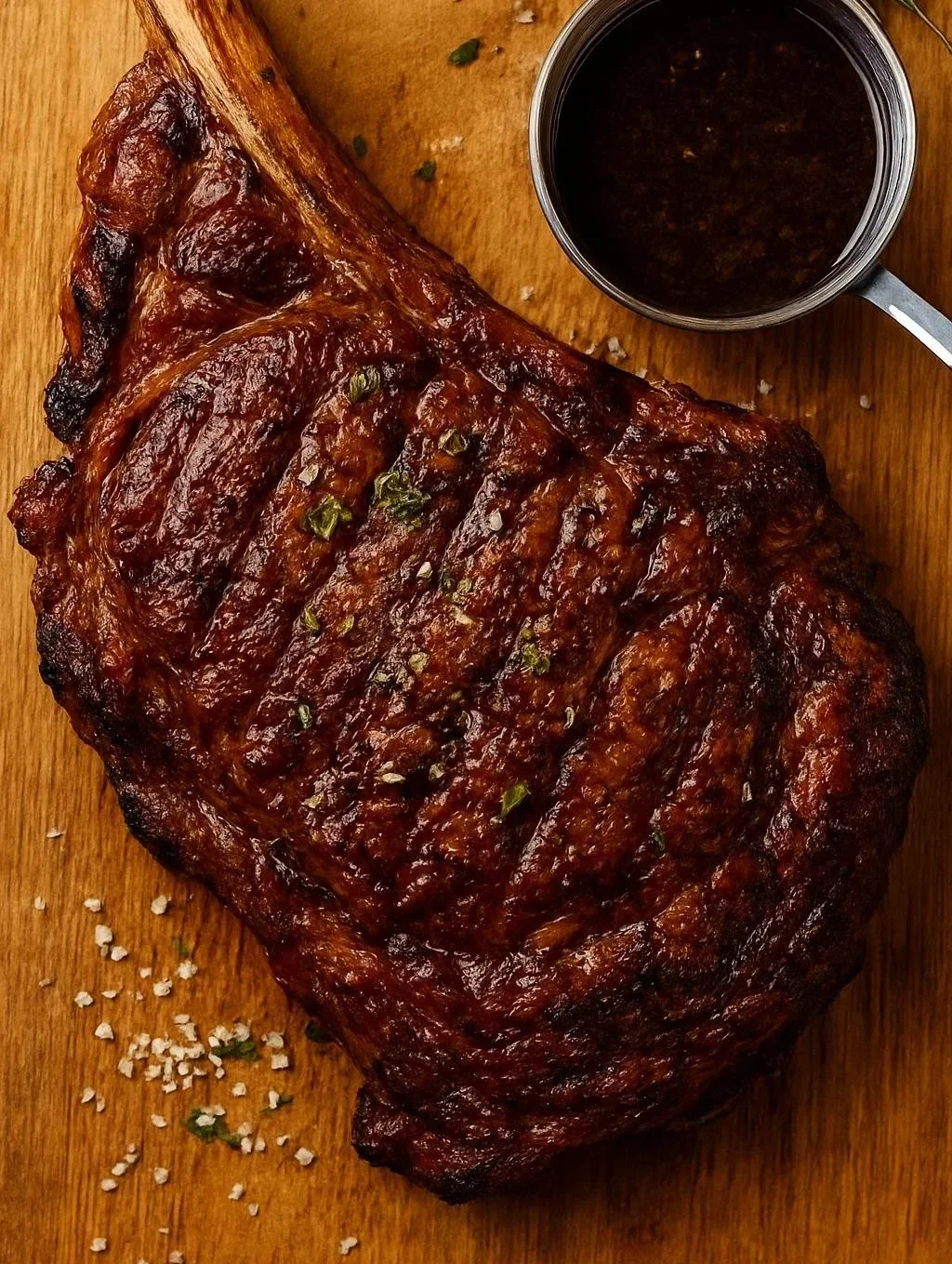
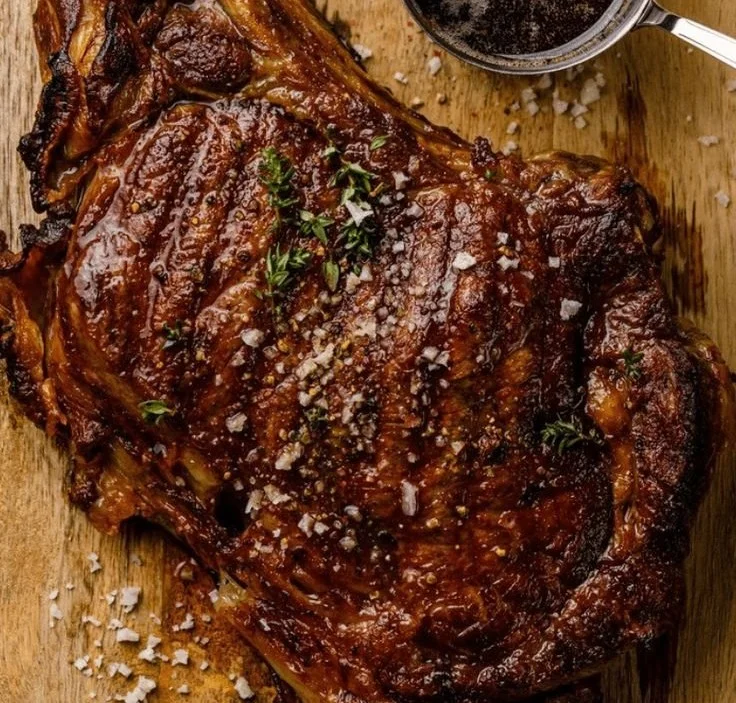
This approach turns a well-marbled ribeye into a deeply flavored, caramelized centerpiece by combining coarse seasoning, high-heat grilling, and a mustard-forward honey rub that forms a glossy crust without overpowering the beef. The method focuses on timing, temperature control, and a simple rub that balances tang, sweetness, and umami so the steak’s natural richness remains the star. If you want an indulgent, easy side to serve alongside, try the best pesto grilled cheese for a crunchy, herb-forward contrast to the meat’s richness.
Ingredients with practical notes
- Ribeye steaks, 1–1.5 inches thick (8–14 oz each): Choose steaks with visible marbling for juiciness. Thicker cuts tolerate more carryover cooking and develop a better crust.
- Dijon mustard, 2 tbsp per steak: Acts as an emulsifier for the rub and creates adhesion for the honey.
- Honey, 1–1½ tbsp per steak: Use a mild, runny honey to blend easily — darker honeys will add different flavor notes.
- Kosher salt, 1–1½ tsp per side: Salt early or just before grilling depending on time (see notes below).
- Freshly ground black pepper, ½ tsp per side
- Optional aromatics: garlic powder (¼ tsp), smoked paprika (¼ tsp), crushed red pepper (pinch)
- Neutral oil with a high smoke point (grapeseed, canola) for searing
Ingredient notes:
- Weighing steaks isn’t necessary but helps with timing. A 1-inch ribeye typically reaches medium-rare faster than a 1.5-inch cut.
- If you prefer less sweetness, reduce honey to 1 tsp per steak and add more Dijon for tang.
Equipment needed
- Gas or charcoal grill with a hot zone and cooler zone
- Instant-read thermometer (essential for precise doneness)
- Tongs (avoid piercing the meat)
- Small bowl and silicone brush for the rub
- Cast-iron skillet or grill-safe pan (optional for finishing or searing)
- Thermometer-safe cutting board and foil for resting
Why each matters:
- A direct/indirect heat setup helps achieve a crust without overcooking the center.
- An instant-read thermometer prevents guesswork and reduces the risk of overcooking.
Step-by-step cooking process
- Bring steaks to room temperature for 30–45 minutes to promote even cooking.
- Pat steaks dry. Lightly coat both sides with oil, then season both sides with kosher salt and black pepper.
- Make the rub: whisk Dijon mustard and honey until smooth; stir in garlic powder and smoked paprika if using.
- Preheat grill to high (500–550°F for gas; for charcoal, bank coals to one side). Aim for a hot searing zone and a cooler zone around 300–350°F.
- Sear first: Place the steak directly over the hottest part for 2–3 minutes per side to develop a dark brown crust.
- Move to indirect heat: Transfer steaks to the cooler zone. Brush one side with the mustard-honey mixture and cook for 2–4 minutes.
- Brush the other side and continue cooking, checking internal temperature frequently:
- 120–125°F for rare
- 130–135°F for medium-rare
- 140–145°F for medium
Remove steaks 5°F below your target to allow for carryover.
- Tent with foil and rest 5–10 minutes before slicing against the grain.
Practical timing tip: For a 1.25-inch ribeye aiming for medium-rare, expect about 2–3 minutes per side sear, then 4–6 minutes over indirect heat, but always verify with a thermometer.
How the Dijon-honey interaction works (and why timing matters)
Mustard contains vinegar and emulsifiers that help the honey stick and form a glaze when exposed to high heat. Brushing the rub during the indirect phase prevents burning: direct searing with honey on the surface can char quickly because sugars caramelize at lower temperatures. Applying the glaze after initial searing and finishing over moderate heat allows the rub to set into a flavorful, shiny crust without an acrid taste.
Pro tips for consistent results
- Salt strategy: If you have 40 minutes or more, salt the steaks early to allow dry brining; if grilling sooner, salt just prior to searing to avoid drawing moisture to the surface.
- Two-zone fire: Use high heat to sear and lower heat to finish — this preserves a pink center while maximizing crust.
- Minimal flipping: Flip only once or twice. Frequent flipping prevents steady crust formation.
- Thermometer placement: Insert the probe horizontally into the thickest part for an accurate reading.
- Sauce restraint: Don’t slather additional sweet sauces during high-heat searing; finish with a light brush if desired during the rest period to avoid burning.
- Resting: Rest under a tent of foil to keep warm while retaining juices. Slice only after resting.
For hosting, prepare complementary side dishes that can be prepped ahead to minimize grill-side work; consider simple oven-baked vegetable sides or make-ahead sandwiches for guests to enjoy while steaks rest.
Common mistakes and how to avoid them
- Burning the rub: Applying honey-laden rub too early or grilling solely on direct heat will blacken the sugars. Apply glaze after initial sear and finish on indirect heat.
- Overcooking: Relying on time alone instead of temperature leads to dry steak. Use an instant-read thermometer and remove early.
- Slicing too soon: Cutting immediately releases juices. A short rest of 5–10 minutes reabsorbs juices for a juicier bite.
- Crowding the grill: Overcrowding lowers surface temperature and prevents searing. Cook in batches if needed.
- Using low-quality steak: A trimmed, well-marbled ribeye tolerates high heat and caramelization; lean cuts will dry out faster.
Flavor variations and alternatives
- Spicy-sweet: Add ½ tsp crushed red pepper to the rub for heat.
- Herb-forward: Mix chopped fresh thyme or rosemary into the mustard-honey mixture for an aromatic finish.
- Smoky: Swap smoked paprika for regular paprika and finish with a short smoke exposure on a pellet tube or small foil pouch of wood chips.
- Low-sugar option: Replace honey with apple cider vinegar plus a pinch of brown sugar substitute for a tangy glaze.
- Alternative cuts: Use the same method on NY strip or bone-in ribeye; adjust indirect finish time for thickness.
If you prefer vegetable sides, a low-carb option like cheesy baked cabbage steaks pairs nicely and can be prepared in the oven while you grill.
Storage, reheating, and leftovers
- Refrigeration: Wrap cooled steak tightly or transfer to an airtight container within two hours. Consume within 3–4 days.
- Freezing: Slice into portions, wrap tightly, and freeze for up to 2 months. Thaw overnight in the fridge.
- Reheating: Gently reheat in a 250°F oven until warm (10–15 minutes depending on thickness) or sear quickly in a hot pan for a minute per side; avoid microwaving which ruins texture.
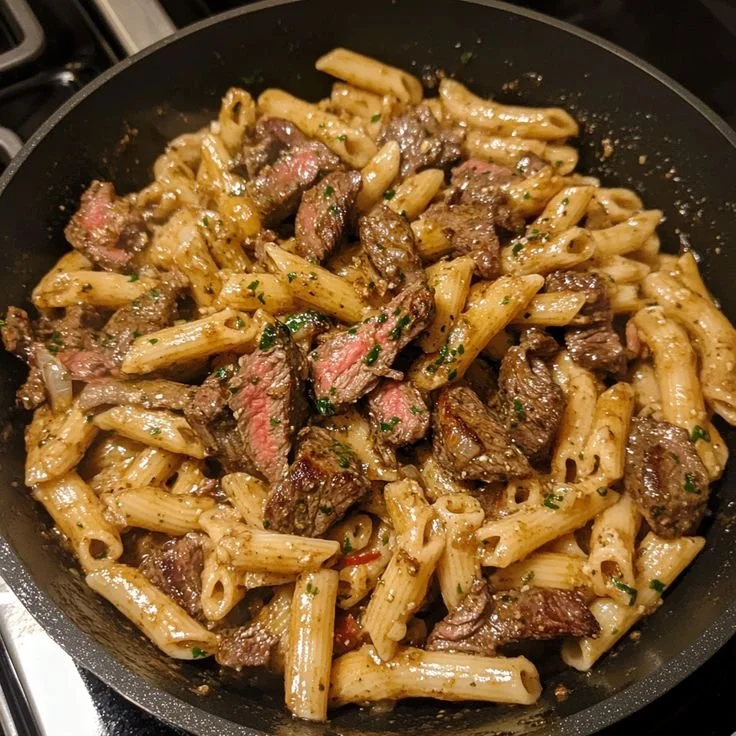
- Repurposing leftovers: Thinly slice for steak sandwiches, toss with salads, or chop and fold into scrambled eggs for breakfast.
Serving and beverage pairings
- Classic sides: Roasted potatoes, charred asparagus, or a simple green salad with vinaigrette balance the steak’s richness.
- Bread options: Serve a warm crusty loaf or buttery rolls to sop up juices.
- Wine pairings: Full-bodied reds with moderate acidity (Cabernet Sauvignon, Malbec, or a robust Zinfandel) stand up to the steak’s fat and the honey’s sweetness.
- Non-alcoholic: Sparkling water with lemon or a lightly sweetened iced tea cleanses the palate between bites.
For entertaining, small complementary items or thoughtful favors can elevate the occasion — for example, handmade pantry items or guest gifts like 5 easy Christmas sugar scrub recipes make memorable tokens if you’re hosting a special dinner.
Frequently asked questions
Q: Can I make the mustard-honey rub ahead of time?
A: Yes. Store it refrigerated in an airtight container up to 3 days. Bring to room temperature and whisk before using.
Q: Should I remove the fat cap?
A: Leave a thin fat cap for flavor and protection; trim any excessively thick hard fat that won’t render during cooking.
Q: How do I get more crust without overcooking?
A: Sear at very high heat briefly, then move to indirect heat to finish. Dry the steak surface thoroughly before searing to maximize the Maillard reaction.
Q: Is brushing the glaze necessary?
A: It’s optional but recommended for the signature glossy crust. Apply during the finishing phase rather than during initial searing.
Q: Can I use whole-grain mustard instead of Dijon?
A: Yes. Whole-grain will add texture and a slightly different flavor profile; it still adheres well to the meat.
Q: What’s the best way to reheat without losing juiciness?
A: Low-and-slow in a low oven (250°F) preserves moisture best; finish with a quick sear if you want to restore crust.
Final serving checklist
- Thermometer on hand to hit target doneness
- Rest period planned (5–10 minutes)
- Warm plates to keep steak hot
- Complementary sides prepped ahead
- Sharp slicing knife for clean cuts against the grain
Follow these guidelines to produce a reliably juicy, flavorful ribeye with a balanced mustard-and-honey crust that elevates the cut without overshadowing it.