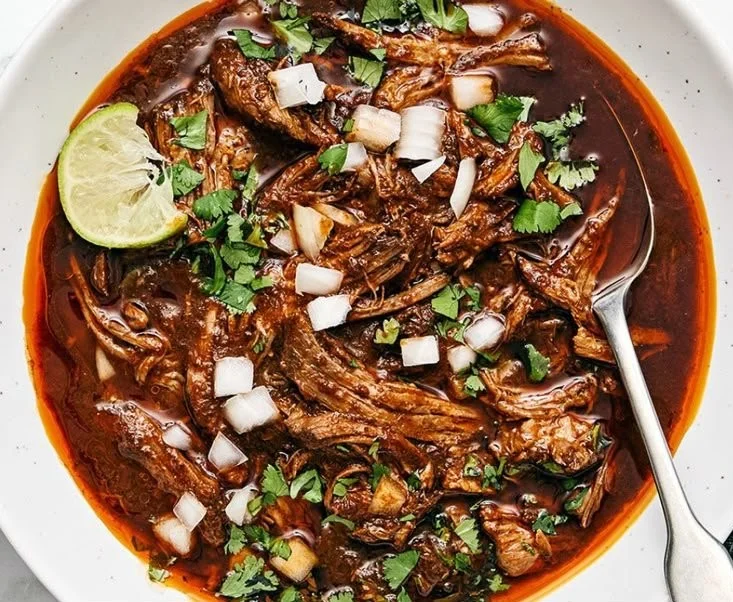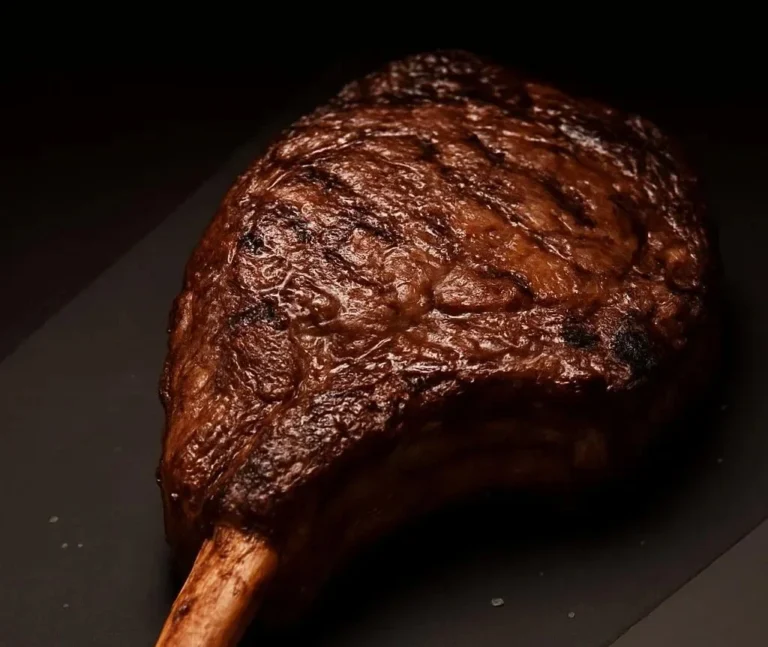
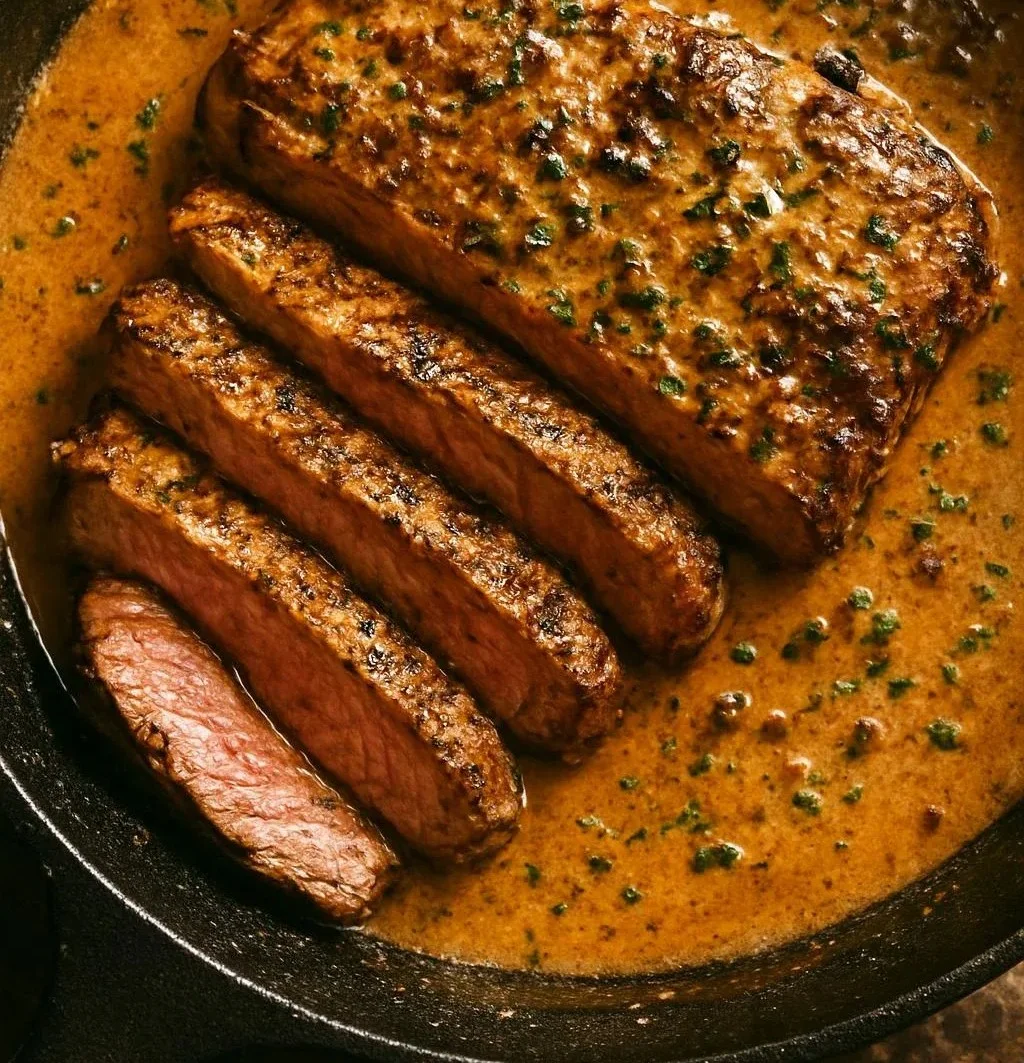
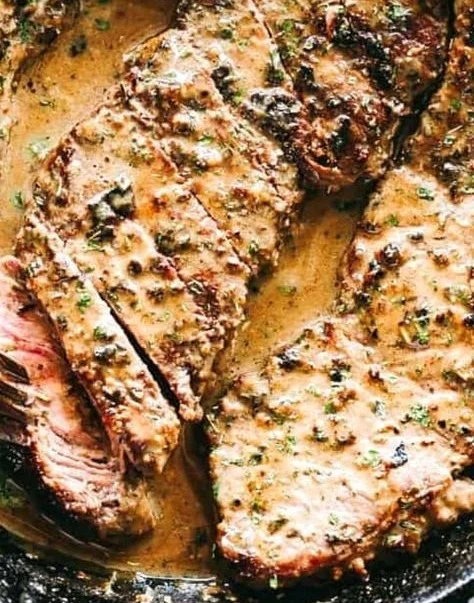
Pin by zaharia vintila on retete | Beef recipes, Recipes, Beef steak recipes
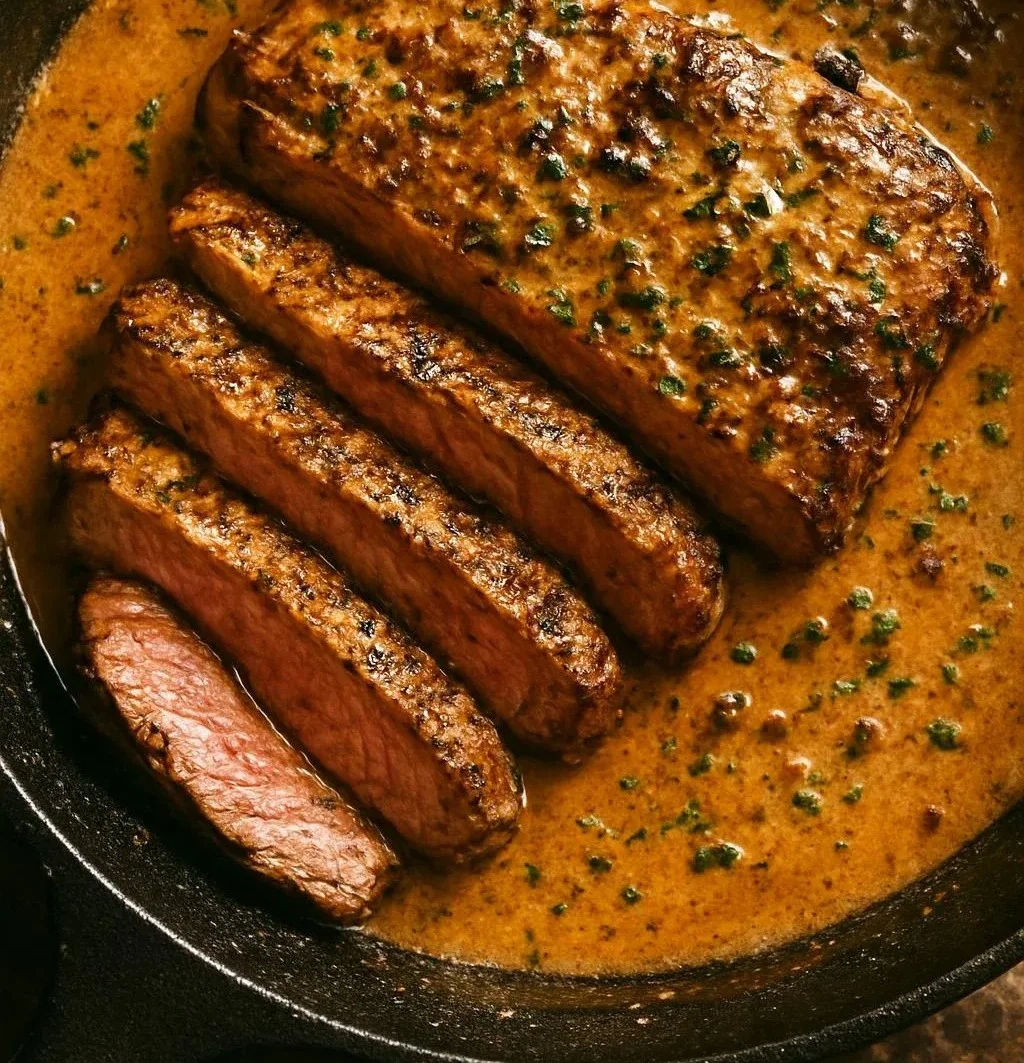
These curated beef steak ideas focus on practical recipes, smart techniques, and reliable pairings so home cooks can turn everyday steaks into restaurant-quality meals. You’ll find clear ingredient notes, precise cooking steps, and ways to build full plates quickly — including easy side options like one-pan gnocchi ideas to serve alongside richer steaks.
What makes a great steak dish beyond the cut
A truly satisfying steak recipe starts with three factors: the right muscle (cut), balanced seasoning, and the finishing technique. Understanding how those elements interact lets you adapt any recipe to available beef and kitchen gear. For example, a bone-in ribeye tolerates a hotter, longer sear than a lean flank, which benefits from quick, high-heat cooking and thin slicing across the grain. Seasoning isn’t just salt and pepper — a light rub or compound butter added at the finish amplifies flavor without masking beef’s natural profile.
Choosing cuts and ingredient notes for reliable results
Select cuts based on texture, fat content, and how you plan to cook them. Key choices:
- Ribeye: high marbling, forgiving, great for cast-iron sears and finishing in the oven.
- Strip (NY strip): firm texture, pronounced beef flavor, ideal for pan-sears or grills.
- Filet mignon: leanest and most tender, cook gently to avoid drying.
- Flank/skirt: lean and flavorful, best when marinated and sliced thin against the grain.
- Sirloin: budget-friendly and versatile; brining or tenderizing can help.
Ingredient notes:
- Kosher salt: use coarse salt 40–60 minutes before cooking or just before searing for different results.
- Freshly cracked black pepper: add just before or after sear to avoid burning.
- Neutral high-smoke-point oil: grapeseed or avocado oil for initial sear.
- Butter, garlic, and herbs: baste toward the end for a classic finish.
Equipment and prep that actually improve results
You don’t need a lot of gear, but what you use matters:
- Heavy skillet (cast iron preferred) for even, sustained heat.
- Instant-read thermometer for reliable doneness.
- Tongs and metal spatula to handle steaks without piercing.
- Wire rack and baking sheet if finishing in the oven.
Prep tips:
- Bring steak to room temperature for 20–30 minutes for even cooking.
- Pat dry to maximize browning.
- Season simply — overcomplicating rubs can mask beef’s taste.
Step-by-step: achieving a perfect sear and consistent doneness
This method works for 1–1.5 inch steaks and adapts to different cuts.
- Dry and season the steak evenly with salt (and pepper if desired).
- Heat the skillet until shimmering and add a small slick of oil.
- Sear steak undisturbed 2–3 minutes per side for a deep crust; adjust time based on thickness.
- Reduce heat and add butter, crushed garlic, and thyme. Tilt pan and baste for 30–60 seconds.
- Use an instant-read thermometer to test: 120–125°F for rare, 130–135°F for medium-rare, 140–145°F for medium.
- Rest on a wire rack 5–10 minutes before slicing to redistribute juices.
Pro tip: For thicker cuts, sear both sides then finish in a 400°F oven until target temperature is reached.
Five practical beef steak recipes with variations and timings
Each recipe below gives an overview, timing, and simple variations so you can customize by cut or flavor profile.
Pan-Seared Ribeye with Garlic-Herb Butter
- Overview: Rich and forgiving; the butter finish elevates the crust.
- Timing: 3–4 minutes per side, plus 5–8 minutes rest.
- Variation: Finish with a squeeze of lemon for brightness or add blue cheese crumbles for a sharper finish.
Strip Steak with Mustard-Peppercorn Sauce
- Overview: Bold sauce complements the strip’s firm texture.
- Timing: 3 minutes per side; sauce made in same pan in 5 minutes.
- Variation: Swap Dijon for whole-grain mustard for more texture.
Filet Mignon with Red Wine Reduction
- Overview: Tender cut paired with an elegant pan sauce.
- Timing: 2–3 minutes per side; finish in oven 4–6 minutes for medium-rare.
- Variation: Use balsamic reduction for a sweeter glaze.
Marinated Flank Steak Tacos
- Overview: Quick-cooking marinated flank delivers intense flavor when sliced thin.
- Timing: 2 minutes per side; rest 5 minutes, slice thin.
- Variation: Turn into bowls with charred veggies and avocado.
Sirloin Steak with Chimichurri
- Overview: Affordable cut brightened by herbaceous chimichurri.
- Timing: 3–4 minutes per side; let chimichurri sit 30 minutes ahead to meld.
- Variation: Use parsley-only chimichurri for a cleaner taste.
Pairings, sides, and full-plate planning
Think about texture contrasts and flavors that either cut the richness (acidic or herbaceous) or complement it (starchy, buttery). Classic pairings:
- Acidic: chimichurri, red wine reduction, or a squeeze of lemon.
- Starchy: roasted potatoes, mashed root vegetables, or lighter options such as healthy spinach smoothie recipes as a refreshing palate cleanser for heavier meals.
- Greens: simple arugula or spinach dressed in vinaigrette.
Timing note: Serve hot steaks with sides that can hold heat or be quickly refreshed so the main remains the focal point.
Storage, leftovers, and smart reheating
Store cooked steak in an airtight container in the refrigerator up to 3–4 days. To reheat without drying:
- Slice and rewarm gently in a sauté pan with a splash of broth over low heat.
- Oven method: wrap in foil and warm at 300°F until just heated through.
Leftover ideas include sandwiches, salads, and repurposed dishes; for example, shredded steak can be layered into Mediterranean quesadillas with spinach and feta for a quick dinner reuse.
Common mistakes and how to avoid them
- Overcrowding the pan: causes steaming instead of searing. Cook in batches if needed.
- Skipping rest time: slicing too soon bleeds flavor onto the board and leaves dry meat.
- Over-reliance on time alone: use an instant-read thermometer for accuracy.
- Burning pepper or herbs: add delicate aromatics late in the cooking process to avoid bitterness.
FAQs about cooking and serving beef steak recipes
How do I know when a steak is done without a thermometer?
- Use touch: rare feels soft and slightly springy, medium-rare has a bit more resistance, and medium feels firmer. An instant-read thermometer removes guesswork.
Can I marinate tender cuts like ribeye?
- Short marination is fine but unnecessary for well-marbled cuts; reserve longer marinades for tougher cuts like flank or skirt.
Is resting necessary after cooking?
- Yes. Resting lets juices reabsorb; plan 5–10 minutes depending on thickness.
What’s the best way to slice flank or skirt steak?
- Always slice thinly against the grain to shorten muscle fibers and maximize tenderness.
Final notes and quick action steps
Focus on cut selection, confident searing, and proper resting to consistently improve results. Start with one recipe above tailored to your available cut, pick an easy side that complements the richness, and use an instant-read thermometer to build intuition about doneness. These steps turn simple beef into dependable, delicious meals.