Crock Pot Birria Tacos
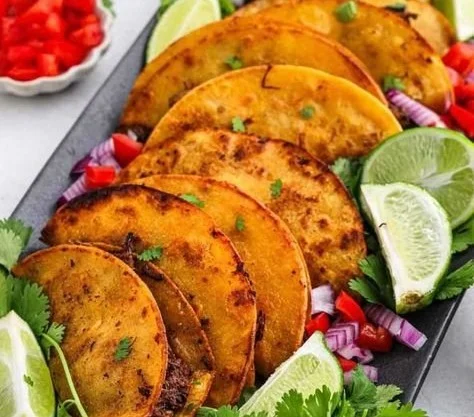
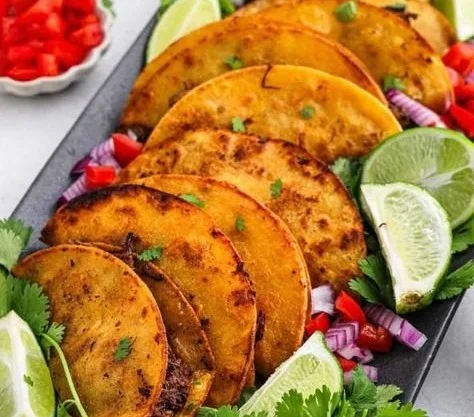
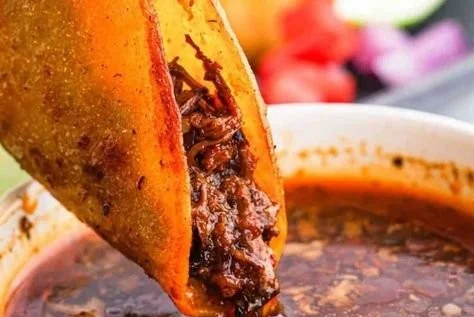
Crock pot birria tacos offer melt-in-your-mouth meat, rich chile-forward broth, and crispy tortillas that soak up savory consommé for dipping and serving.
Why this method stands out
Using a slow, low-heat approach transforms tougher cuts into tender, shreddable meat while layering complex flavors from dried chiles, spices, and aromatics without constant attention. The extended simmer extracts gelatin and umami into the cooking liquid, creating the consommé that defines the eating experience. This hands-off technique is ideal for weeknight prep or feeding a crowd with minimal fuss.
Ingredients and notes for best results
- 3–4 lb beef chuck roast or short ribs — choose well-marbled cuts for deeper flavor and richer jus.
- 3–4 dried guajillo chiles, stemmed and seeded — provide fruity heat.
- 2 dried ancho chiles, stemmed and seeded — add smoky-sweet depth.
- 1 chipotle pepper in adobo (optional) — introduces smokiness and a touch of heat.
- 1 medium onion, quartered — browns lightly for sweetness.
- 4–6 garlic cloves — roast or sauté briefly to round the bite.
- 2 tsp ground cumin, 1 tsp dried oregano, 1 tsp smoked paprika — form the spice backbone.
- 1 tbsp apple cider vinegar — balances fat and brightens flavors.
- 2 bay leaves — subtle herbal note.
- 4 cups beef broth, or enough to mostly cover the meat — for a flavorful braising liquid.
- Salt and black pepper to taste.
- Corn tortillas, chopped cilantro, diced white onion, and lime wedges for serving.
Notes:
- Rehydrate chiles in hot water for 15 minutes before blending to maximize flavor extraction.
- Taste and adjust salt only after cooking, since reduced broths concentrate saltiness.
- For faster prep, a blender can handle the chile-spice sauce; strain if you prefer a smoother consommé.
Equipment needed
- 6-quart slow cooker or similar capacity to fully submerge the meat.
- Blender or immersion blender for the chile puree.
- Large skillet or cast-iron pan for searing (optional but recommended).
- Fine-mesh strainer if you prefer a clear consommé.
- Tongs and fork or two forks for shredding meat.
Searing the roast before slow cooking is optional but adds an extra layer of caramelized flavor that shows up in the final dish.
Step-by-step cooking process
- Prepare chiles: remove stems and seeds, then soak in hot water until pliable, about 15 minutes. Reserve soaking liquid.
- Make the sauce: blend rehydrated chiles with garlic, onion, spices, chipotle (if using), vinegar, and a cup of the soaking liquid or broth until smooth.
- Sear the meat: season roast with salt and pepper, sear on all sides in a hot skillet until browned for enhanced flavor.
- Assemble in slow cooker: place seared meat into the cooker, pour the chile puree over it, add remaining broth to partially submerge, and tuck in bay leaves.
- Slow cook: set to low for 8–10 hours or high for 4–6 hours, until meat easily pulls apart.
- Finish and shred: remove meat, strain and reserve the cooking liquid; shred meat and return small amount to the liquid to keep moist.
- Reduce consommé (optional): skim fat, then simmer reserved liquid on the stovetop to concentrate flavor for dipping.
- Crisp and assemble: dip tortillas in warm consommé, sear briefly in a skillet with a little oil until edges are crisp, fill with shredded meat, and top with onion and cilantro. Serve with consommé on the side.
Each step emphasizes extracting maximum flavor while keeping the method accessible to cooks of all skill levels.
Pro tips for restaurant-style results at home
- Use bone-in cuts when possible; bones add gelatin that thickens and enriches the consommé.
- Toast dried chiles lightly in a dry pan before rehydrating to intensify their aroma.
- Blend chiles with a bit of the soaking liquid, then pass the puree through a strainer to remove fibrous bits for silky texture.
- Control heat by adjusting the amount of chipotle and the time you reduce the broth; small reductions concentrate flavor without over-salting.
- Reserve some fat from the broth; a spoonful in the skillet while crisping tortillas adds authentic mouthfeel.
- Shred meat against the grain to keep strands tender rather than stringy.
These small adjustments produce a dish that balances authentic flavors with reliable home cooking techniques.
Storage and reheating guidelines
- Refrigerate shredded meat and strained broth separately in airtight containers for up to 4 days.
- Freeze cooked meat for up to 3 months; store consomé in freezer-safe containers for the same period.
- Reheat gently in a pot with a splash of reserved consomé to prevent drying, or microwave with a damp paper towel over the meat to retain moisture.
- To crisp tortillas after storage, dip briefly in warmed consommé and pan-sear; the broth both flavors and helps them brown evenly.
Storing components separately preserves texture and prevents soggy tortillas when serving later.
Best pairings to serve alongside
- Fresh pico de gallo or a quick onion-cilantro relish to cut through richness.
- Mexican rice or a simple lime-cilantro slaw for a crunchy counterpoint.
- A light lager or a tart margarita pairs well with the chile-forward profile.
- Pickled carrots or jalapeños add acidity and textural contrast.
Pairings should balance the rich, meaty flavors rather than compete with them.
Variations and alternatives
- Lamb shoulder produces a richer, gamier filling and pairs well with darker, smokier chiles.
- For a gentler heat, increase guajillo proportion and omit chipotle.
- Make a Birria-style stew by shredding meat directly into the reduced consommé and serving over rice.
- To speed the process, use an Instant Pot and follow a pressure-cook method with a 60–90 minute cook time under high pressure; searing and sauce steps remain the same.
For more crockpot-centric ideas that complement this approach, explore more crockpot Mexican recipe ideas that adapt well to hands-off cooking.
Common mistakes and how to avoid them
- Underseasoning before cooking: while you’ll adjust salt after reduction, lightly seasoning the meat before searing builds foundational flavor.
- Over-reducing the consommé without tasting: reductions intensify all elements including salt; reduce gradually and taste often.
- Skipping fat management: removing all fat can strip mouthfeel; instead, skim excess but reserve a little for finishing tortillas.
- Using fragile tortillas: store-bought soft corn tortillas can tear if not warmed and handled properly—warm until pliable before dipping and searing.
- Not straining chile puree: leaving seeds and skins can create gritty texture and overly bitter notes.
Addressing these points prevents common pitfalls that dilute the final result.
Frequently asked questions
Q: What cut gives the best texture?
A: Marbled chuck roast or short ribs deliver tender, flavorful shreds because their collagen breaks down into unctuous gelatin during long, slow cooking.
Q: Can I make this vegetarian?
A: Use mushrooms, jackfruit, or seitan for a plant-based version and simmer in vegetable broth with the same chile-spice mix to replicate the flavor profile.
Q: Is it necessary to sear the meat?
A: Searing is optional but recommended; it creates caramelized flavors that deepen the overall profile and improve the final aroma.
Q: How do I control spiciness?
A: Remove seeds and membranes from dried chiles to reduce heat and add chipotle sparingly, tasting as you blend.
Q: Can leftovers be used differently?
A: Shredded meat works in quesadillas, tortas, burrito bowls, or mixed into enchiladas for a quick second meal.
Serving and final notes
Serve immediately after assembling to enjoy the contrast between crisped tortillas and juicy filling, with consommé on the side for dipping and extra depth. Small attentive steps—properly prepared chiles, careful seasoning, and conservative reduction—elevate a simple slow-cooked meal into an authentic, craveable experience.