
Thai Basil Beef Rolls: A Fresh, Flavorful Delight
Thai Basil Beef Rolls: A Fresh, Flavorful Delight
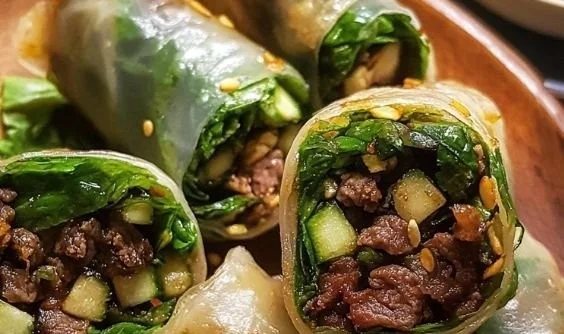
These vibrant handhelds combine savory ground beef, plenty of fresh Thai basil, crisp vegetables, and a punchy dipping sauce for a light but deeply satisfying meal. They’re built to highlight bright herb flavors and contrasting textures while remaining fast to prep and easy to customize. If you want similarly quick beef-focused dinner options, consider an uncomplicated 5-ingredient beef enchiladas recipe for another weeknight favorite.

Why this style of roll works
The central idea is balance: rich, umami-forward beef meets aromatic, peppery basil and cooling crispness from raw vegetables or lettuce. That contrast keeps each bite lively and prevents the beef from feeling heavy. Using thin wrappers or lettuce leaves emphasizes those contrasts and makes the rolls more refreshing than a traditional bun or taco.
Flavor layering is essential. A quick caramelization step for the beef builds depth, while a splash of fish sauce or soy and a squeeze of lime add savory and acidic notes that make the herbiness of basil pop. Textural contrast—soft cooked beef, tender herbs, crunchy veggies—creates an addictive mouthfeel.
Ingredients with practical notes
- Ground beef (80/20 or 85/15): better browning and flavor when a bit of fat is present. Leaner beef needs extra oil.
- Fresh Thai basil: smaller leaves and a peppery, slightly licorice-like aroma. Swap for regular sweet basil only if Thai basil is unavailable, but expect a milder profile.
- Rice paper wrappers or large butter lettuce leaves: rice paper gives a polished roll appearance; lettuce keeps things ultra-fresh and low-carb.
- Aromatics: garlic and shallot for depth; scallions for brightness.
- Seasonings: fish sauce or low-sodium soy, palm sugar or brown sugar, lime juice, and a small touch of chili (fresh or flakes) for heat.
- Vegetables: carrot matchsticks, cucumber ribbons, bean sprouts, and shredded cabbage add crunch and hydration.
- Dipping sauce: a mixture of toasted sesame oil, lime, fish sauce/soy, sugar, garlic, and minced chilies; or a peanut-based sauce for richness.
Notes:
- Measure herbs generously — they’re the star.
- If using rice paper, prep a shallow dish with warm water and work quickly to avoid sticky, torn wrappers.
- Toasted sesame and crushed peanuts add aroma and texture to sauces and toppings.
Equipment needed
- Heavy skillet or cast-iron pan for browning beef.
- Sharp knife and cutting board for thin vegetable cuts.
- Mixing bowls for sauce and fillings.
- Tongs or chopsticks for assembling rolls.
- Shallow dish or plate for hydrating rice paper (if using).
These basics keep the recipe approachable. No specialty tools required.
Step-by-step assembly and cooking
- Prepare vegetables and herbs first: wash basil and lettuce, julienne carrots and cucumbers, shred cabbage, slice scallions.
- Brown the beef: heat skillet over medium-high, add a tablespoon of neutral oil, then the ground beef. Break into small pieces and let it sear without crowding.
- Add aromatics: when the beef has browned, push it aside, add minced garlic and shallot briefly to bloom flavors, then mix.
- Season: stir in fish sauce or soy, a teaspoon of sugar, and a splash of lime. If using Thai chiles or red pepper flakes, add now. Cook until most liquid evaporates and the beef is flavorful but not dry.
- Cool slightly: transfer the beef to a bowl to cool just enough so it won’t tear rice paper or wilt herbs.
- Hydrate wrappers or prep lettuce: for rice paper, dunk one at a time in warm water for 3–6 seconds until pliable. For lettuce, choose large intact leaves.
- Assemble: place wrapper or leaf flat, layer herbs, a small amount of beef, then vegetables. Keep quantity modest to fold cleanly.
- Roll or fold snugly: for rice paper, fold sides in and roll like a burrito. For lettuce, fold and roll or wrap like a taco.
- Serve with dipping sauce immediately.
Portioning tip: plan about 3–4 rolls per person as a main, or 6–8 as appetizers.
Pro tips for flavor and texture
- Sear in batches if browning more than one pound to avoid steaming the beef.
- Chop herbs by hand to preserve aroma; bruising with a knife releases flavor better than chopping in a food processor.
- Toast whole peanuts or sesame seeds briefly in a dry pan before adding to sauce for a deeper nutty note.
- If rice paper tears, simply overlap pieces—taste won’t suffer.
- Make the sauce a day ahead; flavors meld and improve overnight.
Storage and reheating
- Cooked beef filling: refrigerate in an airtight container up to 4 days or freeze up to 3 months in freezer-safe bags.
- Prepared rolls: best eaten fresh; rice-paper rolls soften and lose crispness after a few hours. Wrap individually in plastic wrap and refrigerate up to 24 hours if needed.
- Reheating beef: warm gently on the stovetop over medium-low with a splash of water to prevent drying.
If planning make-ahead party platters, prepare beef and vegetables separately and assemble just before serving.
Variations and substitutions
- Low-carb option: use large butter lettuce or collard leaves instead of rice paper.
- Spicy variant: add a spoonful of chili-garlic sauce to the cooked beef or tuck in thin slices of fresh jalapeño.
- Sauce swaps: peanut sauce for a creamy, nutty character; nuoc cham (Vietnamese fish sauce-based dip) for a citrusy, fermented edge.
- Protein swaps: ground pork, chicken, turkey, or finely chopped flank steak can all take the same seasoning profile.
- Vegetarian version: substitute crumbled firm tofu or cooked mushrooms and boost umami with mushroom soy or miso.
These alternatives keep the core herb-and-contrast concept intact while catering to dietary preferences.
Common mistakes and how to avoid them
- Overfilling rolls: makes rolling messy and causes wrappers to split. Use modest portions and test one before making many.
- Undercooking the aromatics: raw garlic or shallot can taste harsh. Gently cook them once the beef is partially browned.
- Over-salting early: fish sauce is potent. Add in stages and taste.
- Skipping acid: a squeeze of lime brightens the entire roll; omitting it can leave flavors dull.
- Letting beef cool completely before assembling: too-cold beef can wilt herbs quickly; slightly warm is ideal.
Addressing these prevents textural and flavor disappointments.
Pairings and serving suggestions
- Light sides: a crisp cucumber salad or mango slaw complements the herbal rolls without overpowering them.
- Drinks: cold lager, a citrusy gin and tonic, or green tea balances the savory-sour elements.
- For a hearty meal: serve with a bowl of jasmine rice and steamed greens for an easy family-style dinner; for a fried contrast, try a rich, indulgent option like beef-and-cheese chimichangas for a totally different texture profile by following a trusted recipe such as this beef and cheese chimichangas guide.
Choose accompaniments that echo the freshness of the rolls rather than competing with them.
Frequently asked questions
Q: Can I make these gluten-free?
A: Yes. Use gluten-free tamari or coconut aminos instead of soy, ensure fish sauce is gluten-free, and use rice paper or lettuce as wrappers.
Q: How far ahead can I prep components?
A: Cooked beef holds well for several days; herbs and vegetables are best prepared the same day. Assemble rolls up to 24 hours ahead if wrapped tightly, but they’re best fresh.
Q: Can I freeze assembled rolls?
A: Freezing is not recommended for fresh-style rolls; rice paper and vegetables degrade. Freeze only the cooked beef filling.
Q: What’s the best way to get bright basil flavor?
A: Add most basil at assembly rather than during cooking; heat diminishes its herbal notes.
Q: Are these kid-friendly?
A: Yes—omit chiles and serve with a mild dipping sauce. Let kids assemble their own rolls for a hands-on meal.
Final serving checklist
- Crisp lettuce or pliable rice paper ready
- Beef cooked and seasoned, slightly warm
- Generous handfuls of Thai basil and other fresh herbs
- Variety of crunchy vegetables prepped into thin strips
- At least one flavorful dipping sauce per 4 people
- Napkins and small plates for easy sharing
With those elements in place, you’ll deliver a meal that feels fresh, balanced, and satisfying without heavy fuss.