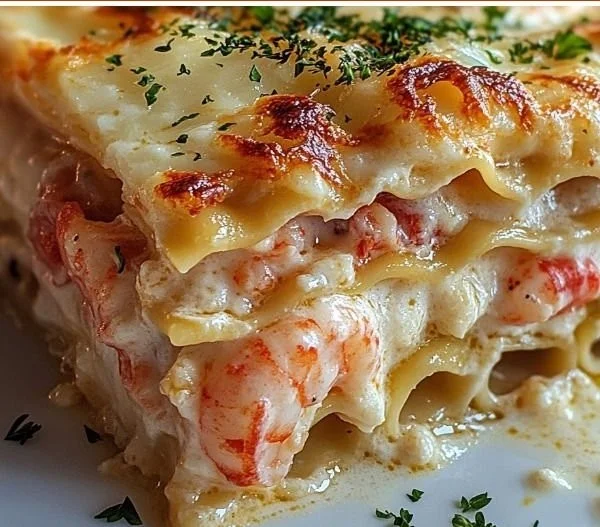
Seafood Lasagna with Lobster and Shrimp
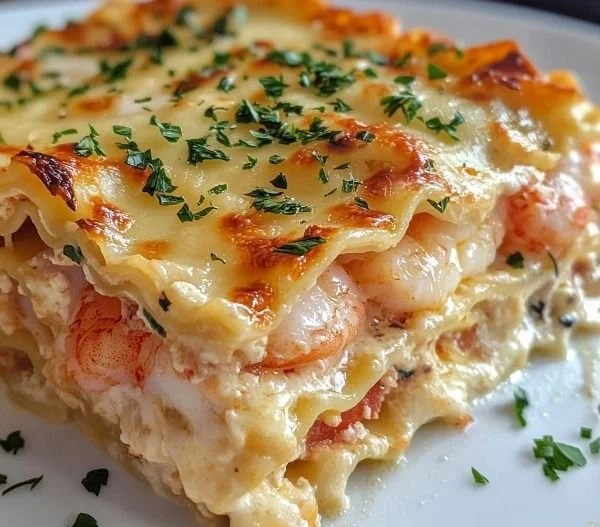
Crafted for entertaining or holiday dinners, this rich lobster-and-shrimp baked lasagna layers tender pasta, a creamy seafood béchamel, and a lightly tomatoed seafood ragù to balance richness with acidity. The recipe emphasizes gentle cooking of shellfish, restrained cream, and firm pasta structure so the final bake is decadent without collapsing into a watery casserole. For a bright contrast on the side, try pairing a chilled green drink such as a vibrant spinach smoothie to refresh the palate between bites.
What sets this version apart
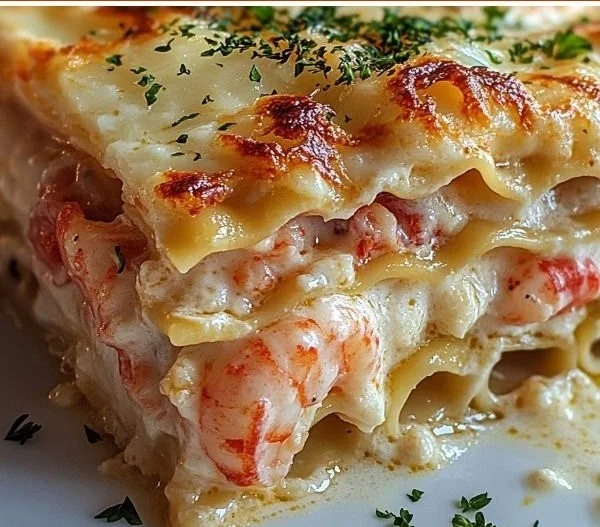
This approach layers two complementary sauces: a light tomato-seafood ragù that provides savory depth and a luxurious white sauce infused with shellfish stock so each forkful tastes cohesive. Lobster adds sweet, firm meat and a restaurant-quality impression; shrimp contributes quick-cooking succulence and texture contrast. Pasta sheets are treated to remain slightly firm after baking so the lasagna slices cleanly and presents well for guests.
Ingredient list with practical notes
- 9–12 oven-ready lasagna noodles or equivalent fresh pasta sheets — choose oven-ready for convenience, but fresh sheets yield silkier bites.
- 1 lb cooked lobster meat, coarsely chopped (tail and claw preferred) — poach raw tails briefly if using live lobster; reserve shells to make stock.
- 1 lb large shrimp, peeled and deveined — cook just until opaque to avoid rubberiness.
- 2 cups shellfish stock or low-sodium seafood broth — homemade from lobster/shrimp shells concentrates flavor; canned works in a pinch.
- 3 tablespoons unsalted butter
- 3 tablespoons all-purpose flour
- 2 cups whole milk, warmed
- 1/2 cup heavy cream — optional for silkier béchamel; can reduce for lighter result.
- 1 cup dry white wine — deglaze pan for ragù (substitute with additional stock if avoiding alcohol).
- 1 small onion, minced
- 2 garlic cloves, minced
- 1 (14 oz) can diced tomatoes, drained lightly — balances creaminess; use San Marzano-style for clean flavor.
- 1/4 teaspoon red pepper flakes, optional
- 1 teaspoon lemon zest
- 1/2 cup grated Parmesan, plus extra for topping
- 8 oz whole-milk ricotta or mascarpone — provides creamy layer and stabilizes the lasagna.
- 2 tablespoons chopped fresh parsley or chives
- Salt and freshly ground black pepper to taste
Notes: - Use fresh shellfish when possible; frozen is acceptable but thaw thoroughly and pat dry.
- Adjust cream and cheese amounts to manage richness; for a lighter dish reduce cream and use part-skim ricotta.
Equipment needed
- 9×13-inch baking dish or similar size for even layers
- Heavy skillet for sautéing seafood ragù
- Saucepan for béchamel
- Strainer for stock and juices
- Instant-read thermometer (helpful to check shrimp temperature; 120–125°F for just-cooked)
- Spatula and wooden spoon
- Kitchen towel and brushes for wiping excess liquid
Preparing the seafood and sauces (step-by-step)
- Make shellfish stock: Roast shells briefly, then simmer with onion, carrot, celery and peppercorns for 30–45 minutes. Strain and reduce to concentrate flavor.
- Sear aromatics: In a skillet, sweat the onion until translucent, add garlic and red pepper flakes for 30 seconds.
- Build the ragù: Deglaze with white wine, reduce by half, then add drained diced tomatoes and 1 cup of shellfish stock. Simmer 8–10 minutes until slightly thickened. Stir in lemon zest and season.
- Cook shrimp and lobster: Add shrimp to the ragù and cook just until they begin to turn opaque (about 1–2 minutes when using large shrimp). Remove shrimp, cool, and chop. Toss in lobster meat at the end to warm through — avoid prolonged cooking.
- Béchamel: Melt butter in saucepan, whisk in flour to form a blond roux, then gradually whisk in warmed milk and remaining shellfish stock. Simmer until velvety and coating the back of a spoon. Whisk in cream if using, then fold in Parmesan and a pinch of salt. Finish with chopped herbs.
Assembly and baking procedure
- Preheat oven to 375°F.
- Lightly oil or butter the baking dish. Spoon a thin layer of béchamel onto the bottom — this prevents sticking and adds moisture balance.
- Layer pasta sheets to cover the base without overlapping excessively. Spread a third of the ragù, dot with spoonfuls of ricotta, then drizzle béchamel. Sprinkle some chopped lobster and shrimp pieces.
- Repeat two more layers, finishing with béchamel and a generous dusting of Parmesan. Aim for three pasta layers for structural integrity.
- Cover tightly with foil and bake 25 minutes. Remove foil and bake 10–12 minutes more to brown the top. Let rest 12–15 minutes before slicing to set layers.
Pro tips for texture and flavor balance
- Keep shrimp and lobster out of direct oven heat as long as possible; add them into layers so they warm gently during the final rest. This avoids overcooking.
- Reduce watery fillings: drain canned tomatoes well and simmer ragù until it’s slightly concentrated. Excess liquid is the most common cause of a soggy bake.
- Use slightly undercooked pasta if boiling fresh sheets — they will finish cooking in the oven. Oven-ready noodles should be overlapped minimally to prevent gummy areas.
- Acid balance: a small splash of lemon or a few drops of vinegar in the ragù brightens flavors and offsets heavy cream.
- Salt progressively: seasoned stock and cheeses contribute salt. Taste sauces before assembling and adjust.
Storage, reheating, and make-ahead strategies
- Cool completely before refrigeration to prevent condensation; wrap tightly and chill up to 3 days. Freeze portions for up to 3 months in airtight containers.
- Reheating from fridge: cover with foil and bake at 350°F for 20–25 minutes until heated through. From frozen, thaw overnight then bake 30–40 minutes covered, finishing uncovered to brown.
- For travel or entertaining: assemble the lasagna in an oven-ready disposable pan, keep chilled, and bake at the venue. Transport with ice packs if not baking immediately.
- Sauces can be made a day ahead: prepare ragù and béchamel separately and refrigerate; warm gently before assembling to avoid shock-cooling pasta sheets.
Recommended sides and beverages
- Crisp, acidic greens: a simple arugula salad with lemon vinaigrette cuts richness and adds peppery lift.
- Roasted vegetables such as asparagus or broccolini bring textural contrast and a slightly bitter foil to creaminess.
- For an unexpected complement, serve a citrusy or green smoothie to freshen the palate between bites — consider a chia seed smoothie idea that adds brightness and a subtle textural counterpoint.
- Light white wines with acidity (Sauvignon Blanc, Vermentino) or a dry rosé work well; avoid overly oaky wines that will clash with seafood delicacy.
Variations and substitutions
- Cheese choices: swap or blend fontina, Gruyère, or mozzarella for a nuttier melt; reduce Parmesan if using stronger melters.
- Shellfish options: scallops or crab can replace shrimp or lobster. Adjust cooking times—scallops sear quickly and should be added late.
- Dairy-free: use a cashew cream béchamel and omitting cheese; ensure stock has robust flavor to compensate.
- Lighter versions: replace half the béchamel with a thin white wine-and-stock reduction and use part-skim ricotta for lower fat.
- Vegetarian twist: replace shellfish with roasted king oyster mushrooms and sweetcorn; use vegetable stock and smoked paprika to mimic umami depth.
Common mistakes and how to avoid them
- Soggy center: usually from too much liquid or undercooked sauce reduction. Simmer ragù longer and drain tomatoes well.
- Overcooked shellfish: small shrimp and lobster pieces become tough when baked too long. Pre-cook shrimp only until nearly opaque and add lobster last.
- Bland layers: failing to season each component leads to flat results. Taste and adjust salt and acid in ragù and béchamel separately.
- Collapsing layers: stacking too many wet ingredients without enough béchamel or cheese can cause sliding. Aim for balanced spreads and give the lasagna time to rest before slicing.
FAQs
Q: Can I use frozen lobster or shrimp?
A: Yes; thaw completely, pat dry, and briefly sauté to remove excess moisture before adding to the ragù or layers.
Q: Is it okay to assemble ahead and bake later?
A: Absolutely. Assemble up to 24 hours ahead, keep covered and chilled, and bake when ready—add a few extra minutes if baking from cold.
Q: How do I prevent the top from burning while finishing?
A: Cover loosely with foil if the top browns too quickly, or move the dish lower in the oven for the final minutes.
Q: Can this be scaled for larger crowds?
A: Double ingredients and use two baking dishes or a deeper commercial pan. Monitor baking time closely; larger pans may need extra covered baking time.
Q: What internal temperature indicates the dish is ready?
A: For safety and texture, aim for an internal temperature of 160–165°F in the center after baking and resting.
Q: Any tips for elegant plating?
A: Let slices rest to set, warm plates slightly, and garnish with a small herb sprig and a drizzle of olive oil or a squeeze of lemon to brighten presentation.
This recipe balances shellfish sweetness and creamy layers while avoiding common pitfalls that lead to runny or overcooked outcomes. Follow the timing and assembly tips for clean slices and a memorable centerpiece that serves comfortably for dinner parties or special occasions.