Lasagna Soup
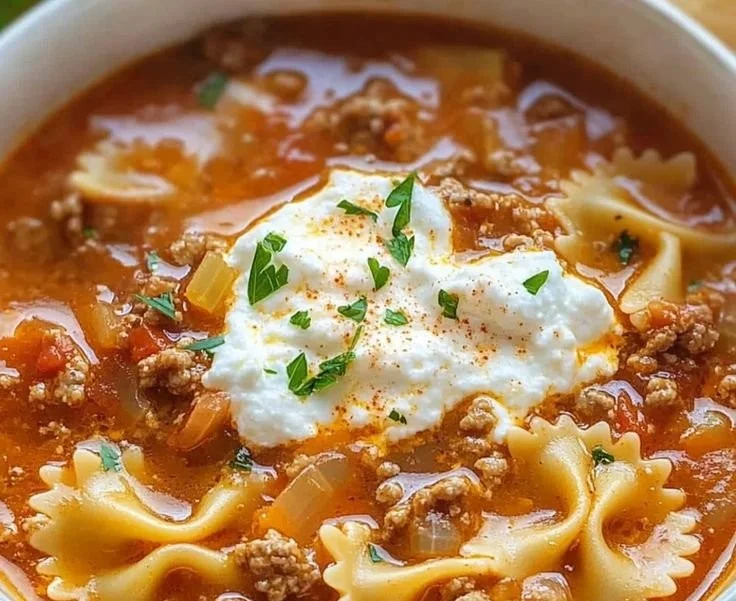
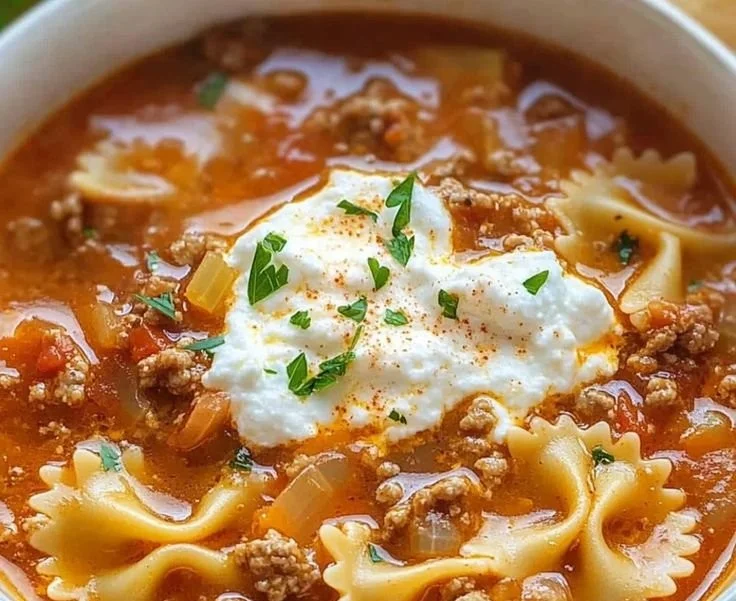
A cozy, layered-pasta–inspired one-pot dinner brings all the familiar flavors of the classic baked dish into a bowl: tomato, melted cheese, Italian herbs, and tender pasta in a rich, savory broth. This recipe-focused guide breaks down how to build that same comforting profile quickly, reliably, and with options for weeknight speed or weekend slow-simmer depth. For cooks who like simple brothy meals with a punch, you might also enjoy this quick egg drop recipe that shares the same fast comfort-dinner appeal.
What makes this recipe special
This approach keeps the layered flavor of the original—meaty richness, garlicky tomato, creamy cheese—while solving two common problems: long bake time and heavy cleanup. Converting layers into spoonable components concentrates flavor without losing textural contrast. The result is a hearty bowl that warms like a casserole but eats like a soup.
Key elements that define the profile:
- A tomato-forward broth that carries oregano and basil.
- Crumbled or ground meat for savory depth, or mushrooms for an umami vegetarian alternative.
- Short-cut pasta (small shapes or broken wide noodles) that cooks in the broth and soaks up flavor.
- A final stir-in of cheese or dollops of ricotta for the lasagna finish.
Ingredients and notes
Use this ingredient list as a flexible framework—swap protein, adjust herbs, and choose cheeses to suit taste or pantry limits.
- 1 lb ground beef, sausage, or a 50/50 mix (substitute 16 oz cremini or portobello mushrooms for vegetarian)
- 1 medium onion, finely diced
- 3 cloves garlic, minced
- 28 oz canned crushed tomatoes
- 4 cups low-sodium chicken or vegetable broth (use beef broth for extra richness)
- 8–10 oz short pasta (small shells, ditalini, or broken wide lasagna noodles)
- 1–2 tsp dried oregano and 1 tsp dried basil (or 1 tbsp fresh chopped basil)
- 1/2 tsp red pepper flakes (optional)
- Salt and black pepper to taste
- 1 cup shredded mozzarella and 1/2 cup grated Parmesan (or 1 cup ricotta for dollops)
- Fresh parsley or basil for garnish
Ingredient notes:
- Pasta: Use shapes that hold sauce; broken wide noodles mimic lasagna sheets but cook faster.
- Tomatoes: Crushed gives body; use a cup of tomato sauce plus a can of diced for texture if preferred.
- Cheese: Ricotta stirred in at the end creates a creamy ribbon; shredded cheeses melt into the broth for a gooey finish.
- Broth: Adjust salt depending on whether you use salty sausage or pre-salted broth.
Equipment needed
Minimal equipment keeps cleanup fast while ensuring even cooking.
- Large heavy-bottomed pot or Dutch oven (6–8 quarts)
- Wooden spoon or silicone spatula
- Measuring cups and spoons
- Chef’s knife and cutting board
- Ladle and soup bowls
Optional:
- Immersion blender to smooth a portion of the soup for a silkier texture
- Cast-iron skillet to brown meat separately for better caramelization
Step-by-step instructions
Follow these steps for a reliable result whether you need dinner in 30 minutes or prefer to simmer for deeper flavor.
- Brown the protein: Heat 1 tbsp oil over medium-high heat. Add ground meat or mushrooms and cook until browned and any liquid evaporates. Season lightly with salt and pepper. Remove and set aside.
- Sweat aromatics: In the same pot, add the diced onion and a pinch of salt. Cook over medium heat until translucent, 4–6 minutes. Add garlic and cook 30 seconds until fragrant.
- Build the base: Stir in crushed tomatoes, dried oregano, basil, and red pepper flakes. Scrape up browned bits from the pot to incorporate flavor.
- Add broth and simmer: Pour in the broth, return the browned protein, and bring to a simmer. Taste and adjust salt.
- Cook the pasta: Add the pasta and cook uncovered until al dente, following the lower end of package timing and testing a minute early to avoid mush.
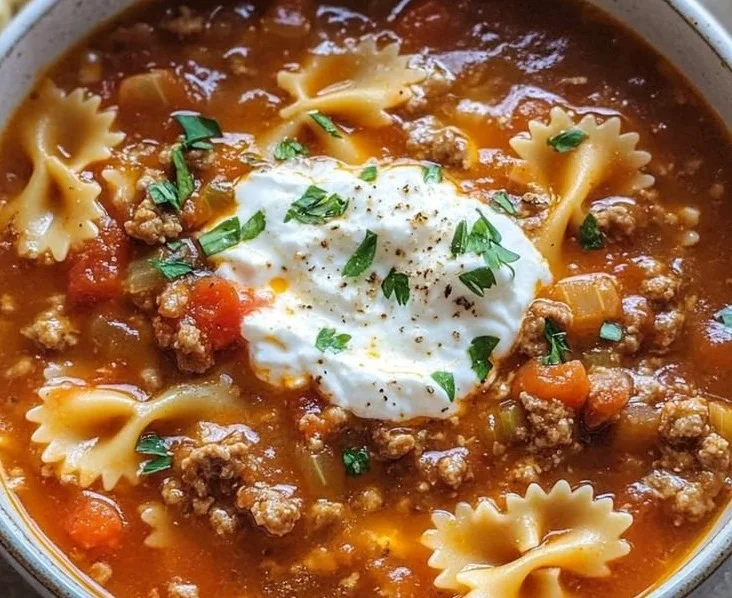
- Finish with cheese: Off the heat, stir in shredded mozzarella and half the Parmesan until melted, or drop spoonfuls of ricotta into bowls as you serve. Garnish with fresh herbs.
Timing variations:
- Quick method: Use broken lasagna noodles and 20–25 minutes total cook time.
- Deep flavor: Simmer the tomato-broth base for 20–30 minutes before adding pasta to develop complexity.
Pro tips for best results
Small technique adjustments make a big difference in texture and depth.
- Brown in batches: If using a pound of meat, brown in two batches to get proper caramelization instead of steaming.
- Reserve pasta water: If the soup becomes too thick, a splash of starchy pasta water loosens and binds it to the noodles.
- Cheese strategy: For stringy, melted ribbons use shredded mozzarella; for creamy pockets, add ricotta dollops after serving.
- Acid balance: A teaspoon of red wine vinegar or a squeeze of lemon brightens overly rich or flat tomato bases.
- Herb timing: Add dried herbs early; add delicate fresh basil at the end to preserve aroma.
- Salt last for low-sodium broth: If you use salted sausage or broth, salt at the very end to avoid over-salting.
Storage and reheating
Store leftovers properly to keep texture and flavor.
- Refrigerator: Cool to room temperature and store in an airtight container for up to 3–4 days.
- Freezer: Freeze without cheese for up to 2 months in freezer-safe containers. Add cheese after thawing and reheating.
- Reheating: Gently reheat on the stovetop over low heat with a splash of broth or water to revive the noodles and sauce. Microwave in short bursts, stirring between intervals to ensure even warming.
Tip: If leftovers absorb too much liquid, stir in a little broth or milk and reheat slowly to restore creaminess.
Pairings and serving ideas
Balance the rich, tomato-forward bowl with simple sides that add contrast.
- Crisp green salad with a vinaigrette to cut richness.
- Garlic bread or a crusty baguette for dipping.
- Roasted vegetables (broccoli, Brussels sprouts) for a savory side.
- Light, dry red wine like Chianti or an Italian-style rosé complements tomato acidity.
You can also create a themed weeknight menu by pairing with other quick soups; for instance, a bright cabbage-based option offers a lighter counterpoint to this hearty bowl, such as the popular cabbage fat-burning soup that works as a low-calorie starter.
Variations and dietary swaps
Adapt the base to meet dietary needs or to refresh the flavor profile.
- Vegetarian: Replace meat with a medley of mushrooms and lentils or crumbled firm tofu; increase umami with a splash of soy sauce or miso.
- Gluten-free: Use gluten-free short pasta and confirm broth is GF.
- Low-carb: Substitute small cauliflower florets or shirataki noodles; add extra vegetables and reduce pasta volume.
- Spicy: Add Calabrian chiles, hot Italian sausage, or a teaspoon of smoked paprika for warmth.
- Creamy white version: Swap crushed tomatoes for a blend of ricotta and cream with spinach and herbs for a bechamel-inspired one-pot.
Common mistakes and how to avoid them
Avoid these pitfalls that can turn a promising bowl into a soggy or bland mess.
- Overcooking pasta: Add pasta toward the end and cook to al dente; it will continue to soften when reheated.
- Undersalting: Tomatoes and broth need seasoning; taste frequently and season in stages.
- Not browning the protein: Skipping browning loses Maillard flavor; take the extra 3–4 minutes to develop color.
- Adding cheese too early: High heat can make cheese grainy; stir in off the heat for a silky finish.
- Skimping on acid: A little vinegar or lemon at the end lifts the overall flavor.
Frequently asked questions
How can I make this recipe faster on weeknights?
- Use pre-browned ground meat or pre-cooked sausage, canned diced tomatoes, and quick-cooking small pasta. A one-pot method cuts hands-on time to about 25 minutes.
Can I convert leftovers into a baked dish?
- Yes. Transfer leftovers to a baking dish, top with extra mozzarella and Parmesan, and bake at 375°F until bubbly for a quicker, deconstructed casserole.
Is it possible to prepare parts ahead for meal prep?
- Brown the protein and make the tomato-broth base up to two days ahead. Store separately from pasta; combine and cook pasta when ready to serve.
What texture should the pasta have in the final bowl?
- Aim for al dente with a slight bite; it should be fully cooked but not mushy. The broth should be slightly thickened by pasta starch, not watery.
Which cheeses give the most authentic layered feel?
- A combination of ricotta dollops (for creamy pockets) and shredded mozzarella (for melt and stretch) best mimics the baked original’s texture contrast.
Is this suitable for a crowd?
- Yes. Double the pot size and keep the base warm on low heat; add pasta in batches so it doesn’t overcook for buffet-style serving.
Final serving checklist
Before ladling into bowls, run through this quick checklist to ensure the best result:
- Taste and adjust seasoning (salt, pepper, acid).
- Ensure pasta is al dente.
- Stir in cheese off the heat for creaminess.
- Garnish with fresh herbs and a drizzle of good olive oil if desired.
This method delivers a comforting, lasagna-inspired bowl with less fuss and more flexibility—perfect for weeknights, casual entertaining, or adapting to dietary needs without losing the classic flavors people crave.