
Italian Cream Stuffed Cannoncini
What makes this Italian cream-filled pastry special
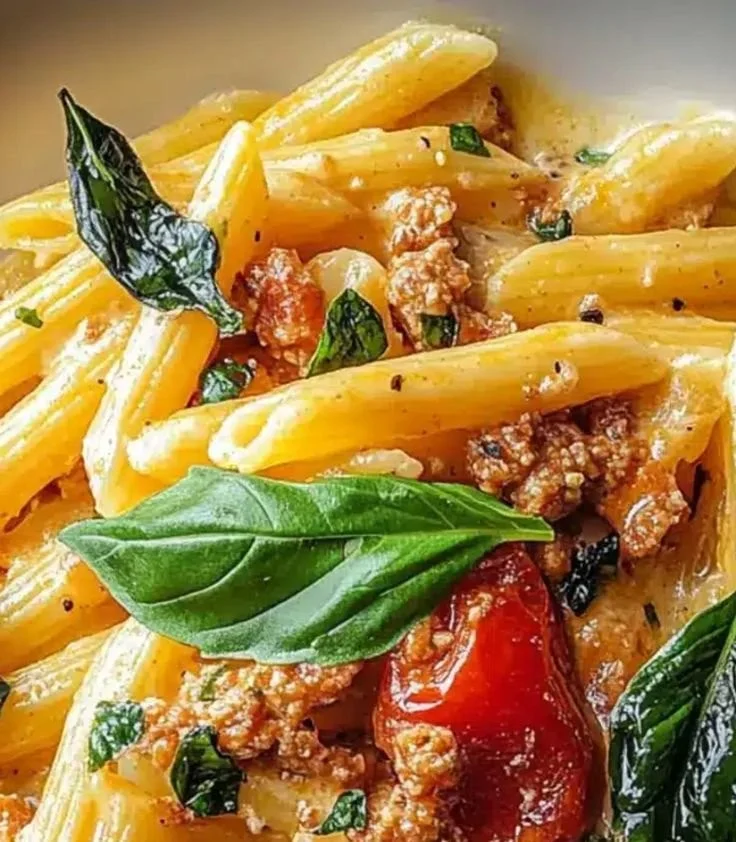
This recipe recreates the crisp, flaky shells filled with a silky Italian cream that balances sweet, tangy, and nutty notes for an elegant dessert or special-occasion bite. The contrast between a golden, sugar-crisp shell and a light, stabilized mascarpone-vanilla filling is what sets these treats apart from standard cream horns. If you pair them with a rich weeknight pasta, the contrast of textures and flavors can turn a simple menu into a memorable meal — for example, they complement dishes such as creamy Italian sausage rigatoni without competing for attention.

Key ingredients and notes for perfect shells and filling
- Puff pastry or homemade rich dough: Store-bought puff pastry is the fastest option and yields reliably flaky shells. For a more authentic, sturdier shell that holds sugar well, a laminated sweet dough or viennoiserie-style dough will work.
- Granulated and powdered sugar: Granulated sugar for rolling the shaped shells before baking produces a caramelized, crunchy exterior. Powdered sugar is best for dusting after filling.
- Eggs and butter: Egg wash gives color and shine; butter (for dough or filling) adds richness.
- Mascarpone, heavy cream, and/or stabilized whipped cream: Mascarpone adds Italian character and structure. Whipped cream folded in lightens the filling. Use a stabilization method (mascarpone, mascarpone + gelatin, or a stabilized whipped cream) if you need the filling to hold up for catering or transport.
- Flavorings: Vanilla bean or extract, a touch of lemon zest, and optional almond or amaretto liqueur elevate the cream. Toasted sliced almonds add crunch and authenticity.
- Optional binders: A small amount of gelatin or instant pudding powder keeps the filling from weeping in warm environments.
Ingredient notes:
- If using store-bought puff pastry, work quickly to keep it cold; warm pastry loses layers.
- Use full-fat mascarpone for the creamiest texture. Low-fat versions can be grainy.
- If avoiding raw eggs, use pasteurized eggs or a cooked pastry cream base for the filling.
Equipment needed and makeshift alternatives
- Metal or reusable cone molds: Best for shaping shells; they give an even hollow cavity. If you don’t have molds, form cones from heavy-duty aluminum foil or use oven-safe wooden dowels.
- Piping bags and tips: A 1M or round tip makes filling and finishing faster and neater.
- Baking sheets and cooling racks: Essential for even browning and to drain steam.
- Stand mixer or hand whisk: For stabilizing the cream; a whisk and chilled bowl work for small batches.
- Candy thermometer (optional): Helpful if making a cooked sugar syrup for a glaze or for setting gelatin.
Make-do solutions:
- Aluminum foil cones: Wrap foil around a utensil handle to create disposable molds.
- Zip-top bags as piping bags: Snip a corner if you don’t own piping supplies.
Step-by-step instructions: shells and Italian cream filling
- Prepare pastry:
- Thaw puff pastry in the refrigerator if frozen. Lightly flour the work surface.
- Roll each sheet to smooth creases and make a slightly larger rectangle. Cut into 1-inch-wide strips for standard-sized cones (adjust width for mini or jumbo).
- Shape and sugar the shells:
- Brush each strip lightly with beaten egg and wrap around a lightly greased cone mold, overlapping slightly from base to tip. Press seam firmly.
- Roll the wrapped molds in granulated sugar so the sugar adheres to the egg wash; this yields a caramelized exterior.
- Bake:
- Place cones seam-side down on a lined baking sheet. Brush any exposed pastry with egg wash and sprinkle more sugar.
- Bake at 400°F (205°C) for 12–18 minutes until golden and puffed. Rotate halfway for even color.
- Remove from oven and let cool 5 minutes, then gently slide pastry off molds onto a rack to cool completely.
- Make stabilized Italian cream:
- Option A — Mascarpone whipped cream: Whip 1 cup heavy cream with 2–3 tablespoons powdered sugar and 1 teaspoon vanilla to soft peaks. In a separate bowl, beat 8 oz mascarpone with 2 tablespoons sugar and optional 1 tablespoon lemon zest until smooth. Fold whipped cream into mascarpone gently to keep airiness.
- Option B — Pastry cream base: Cook a classic pastry cream (milk, egg yolks, sugar, cornstarch) until thick, cool, then fold in whipped cream and mascarpone for structure.
- Option C — Gelatin-stabilized: Dissolve 1 teaspoon powdered gelatin in 2 tablespoons cold water; warm to dissolve, cool slightly, and fold into mascarpone before combining with whipped cream.
- Fill and finish:
- Transfer cream to a piping bag fitted with a round or star tip. Pipe filling into cooled shells until just full.
- Dust with powdered sugar and sprinkle toasted almonds, chocolate shavings, or a drizzle of melted ganache if desired.
Pro tips for crisp shells and stable cream
- Chill pastry strips before wrapping to preserve layers and prevent shrinking.
- Don’t overwrap—overlapped seams should be snug but not bulky; thick seams can prevent full puffing.
- Sugar the outside for added crunch; granulated sugar caramelizes and protects the shell from sogginess.
- Cool shells completely before filling; residual heat will melt the cream.
- Use mascarpone or a small amount of gelatin when the pastries will sit out for hours: both reduce weeping.
- For extra shine and a thin glaze, brush cooled shells lightly with warmed apricot jam before filling.
Storage, assembly timing, and transport
- Unfilled baked shells: Store in an airtight container at room temperature for up to 2 days; keep away from humidity to maintain crispness. You can freeze shells in a single layer for up to 1 month; thaw at room temperature and re-crisp at 300°F (150°C) for 5 minutes if needed.
- Filled pastries: Keep refrigerated and serve within 24–36 hours for best texture. If you need to transport, assemble shells and filling on-site or keep the filling chilled in a piping bag and fill after arrival.
- Freezing filled pastries is not recommended—the filling texture degrades and shells soften on thawing.

Best pairings and serving ideas
- Serve these pastries after a rich, creamy pasta dish to offer a light, refreshing finish. They pair well with sparkling wines, light dessert wines, or espresso.
- For a dessert buffet, place a small plate of assorted mini pastries next to seasonal fruit and nut platters to balance sweetness.
- Offer at brunch alongside coffee and fruit compotes for a European-style spread; their crisp shells and cool filling pair well with fresh berries and citrus.
Include a complementary savory element on the menu for contrast, such as a hearty pasta like easy creamy Italian sausage rigatoni, which balances richness with savory spice.
Flavor variations and dietary substitutions
- Chocolate-hazelnut: Fold 2–3 tablespoons of Nutella or cocoa powder into the mascarpone mixture; dip ends of shells in melted chocolate and chill.
- Lemon-mascarpone: Add 1–2 teaspoons lemon extract and extra zest; reduce powdered sugar slightly to keep brightness.
- Coconut-almond: Fold toasted shredded coconut into the filling and garnish with almond slivers.
- Ricotta-based filling (lighter): Blend drained whole-milk ricotta with powdered sugar, lemon zest, and a splash of cream until smooth; fold in whipped cream for lightness.
- Gluten-free shells: Use gluten-free puff pastry or a rice-flour-based laminated dough; baking time may differ.
- Dairy-free options: Use coconut cream stabilized with a small amount of tapioca starch and a dairy-free cream cheese substitute.
Common mistakes and how to avoid them
- Soggy shells from premature filling: Always cool shells completely before adding cream; hot pastry steams the filling.
- Filling too runny: Increase mascarpone proportion, use a small amount of gelatin, or whisk in instant pudding powder (1 tablespoon) as a last resort.
- Collapsed shells: Overbaking or underbaking can cause collapse—aim for even golden color and let steam escape on racks after removal from molds.
- Filling that weeps: Overwhipping cream or failing to stabilize will cause separation; stabilize with mascarpone or gelatin for warmer events.
- Shells stuck to molds: Grease molds lightly and cool briefly on the sheet before attempting to remove; use nonstick spray or brush with oil.
Frequently asked questions
Q: Can I make the shells ahead of time? A: Yes—baked, unfilled shells keep crisp in an airtight container for up to 48 hours and can be frozen for longer storage.
Q: How long will the filling stay stable? A: A mascarpone-stabilized filling will hold shape for 24–36 hours refrigerated. Gelatin-stabilized versions last longer at room temperature during service.
Q: Can I make a smaller, bite-size version? A: Reduce strip width to ½ inch and shorten baking time; fill with a smaller piping tip for elegant mini portions.
Q: How do I prevent the sugar from burning on the outside? A: Use medium-high oven heat and watch closely during the last few minutes. Rotate the tray to ensure even caramelization.
Conclusion
These crisp, cream-filled Italian-style horns offer a refined balance of textures and flavors that work for dinner parties, dessert tables, and special brunches.