
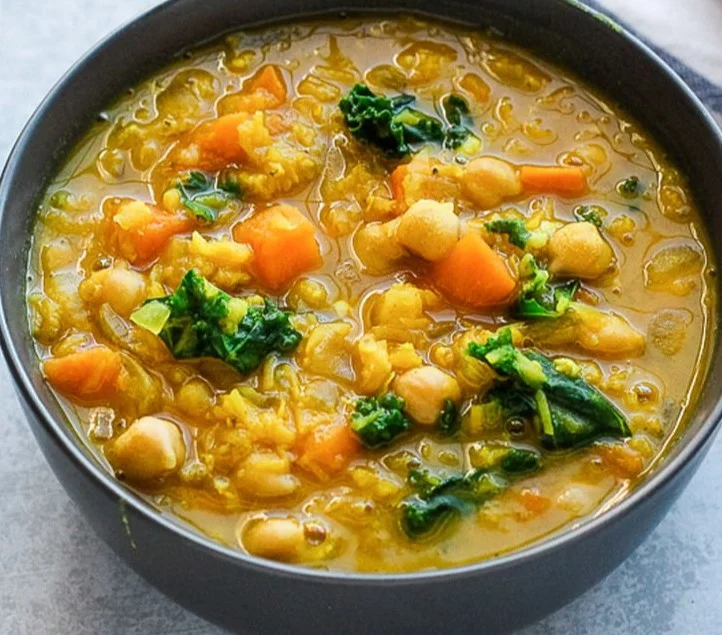
Immunity Boosting Soup
Immunity Boosting Soup
A focused, easy-to-follow guide to building a warm, nutrient-forward soup that highlights ingredients commonly used in immune-focused cooking. For a fast, comforting version that follows the same flavor ideas, try this 10-minute Chinese egg drop recipe.
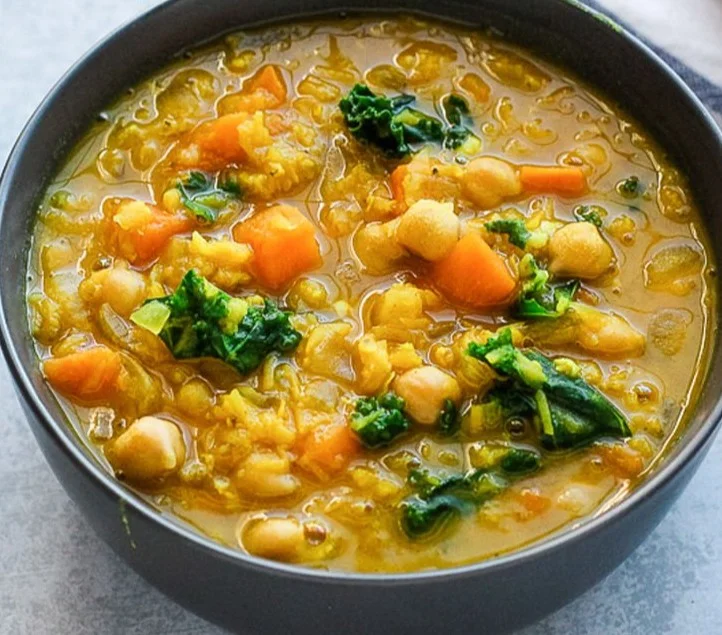
Choosing the right liquid base
Pick a clear broth or light stock to showcase fresh aromatics and vegetables central to this style of soup. Chicken, vegetable, or mushroom broths provide a savory background without masking ginger, garlic, or citrus notes often featured in immunity-focused recipes. Simmer gently to extract flavor without breaking delicate ingredients.
Core aromatics and spices to build flavor
Start with garlic and onions to create depth, then add grated ginger and a touch of turmeric for warm, peppery notes. Black pepper helps release aroma compounds in turmeric during cooking. These aromatics create the recognizable profile of many restorative soups while keeping the bowl bright rather than heavy.
Vegetables and herbs that pair well
Include colorful vegetables like carrots, leafy greens, and mushrooms for texture and taste. Add fresh herbs—parsley, cilantro, or green onions—at the end to lift the soup. Vegetables that hold up to simmering make the soup hearty while preserving vibrant flavors.
Protein options and simple swaps
Use shredded chicken, tofu, or beans depending on preference. Gentle poaching keeps chicken tender without clouding the broth. Tofu and beans add plant-based protein and pair well with the same seasonings used in chicken versions, letting you maintain the same flavor profile across dietary needs.
Quick stove-top method anyone can follow
Sauté aromatics, add broth and vegetables, simmer until tender, then add protein and finish with herbs and a squeeze of lemon or lime. Taste and adjust seasoning with salt and pepper. This straightforward process produces a consistent, flavorful bowl on weeknights without specialized equipment.
Texture and consistency choices
Decide whether to keep the soup clear or blend part of it for a creamier texture. Pureeing a portion of cooked vegetables with a ladle of broth creates body without adding dairy. For a silky finish, finish with a small amount of olive oil or a drizzle of extra-virgin olive oil just before serving.
Flavor-boosting add-ins and beverages to pair
Stir in miso, a splash of soy sauce, or a spoonful of plain yogurt for tang and depth when appropriate for the recipe. Pair a bowl with a warm herbal beverage or a fresh juice for an extra layer of brightness; this list of juice ideas can give complementary flavor inspiration for the same goals: 7 juices to boost immunity this fall.
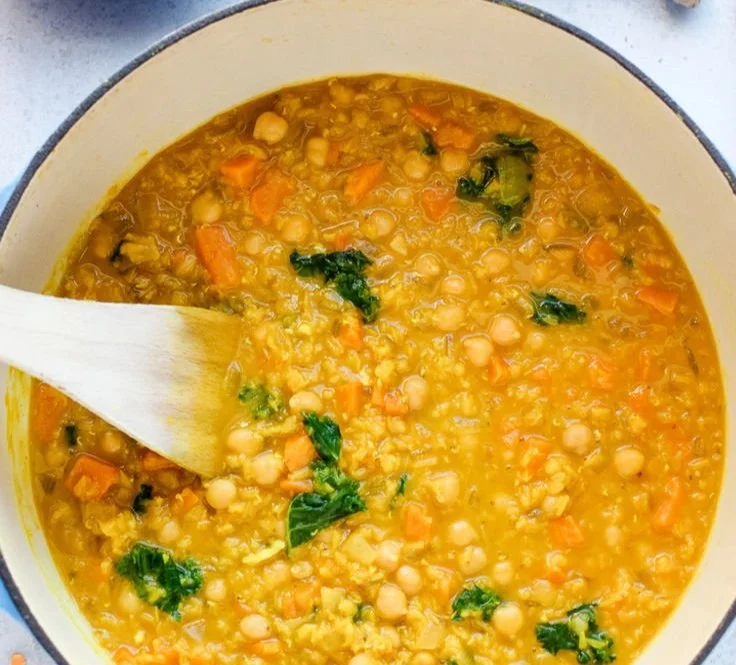
Meal prep, storage, and reheating tips
Cool soup quickly and refrigerate in airtight containers for up to four days, or freeze in portions for longer storage. Reheat gently on the stove, adding a splash of water or broth if the soup has thickened. Freeze leafy greens separately or add them fresh when reheating to preserve texture.
Variations for common diets
Adapt the base, protein, and seasoning to fit gluten-free, vegan, or low-sodium needs without changing the core approach. Swap tamari for soy sauce, use vegetable stock instead of chicken, or increase herbs and citrus to keep flavor high while meeting dietary preferences. For additional recipe ideas in the same category, browse this collection: soup recipes and inspiration.
Conclusion
For more curated recipes that follow these ingredient and technique ideas, see the 20+ Best Soup Recipes for Your Immune System collection for inspiration. If you’re looking for comforting, ready-to-make recipes to try when you want a soothing soup, check out 10 Immune-Boosting Soups to Make When You’re Sick.