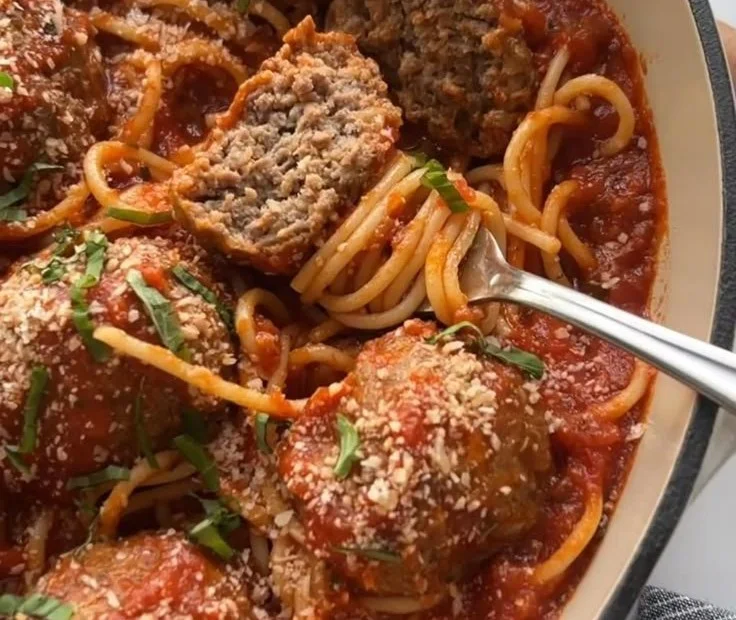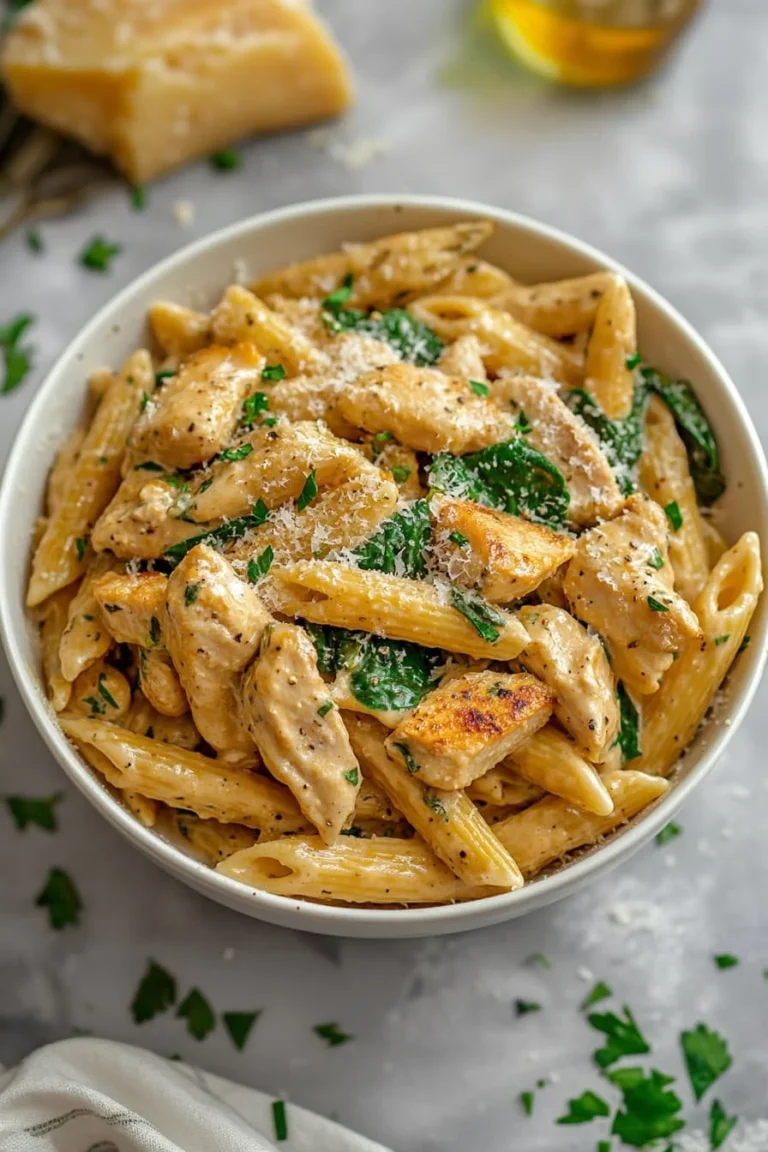
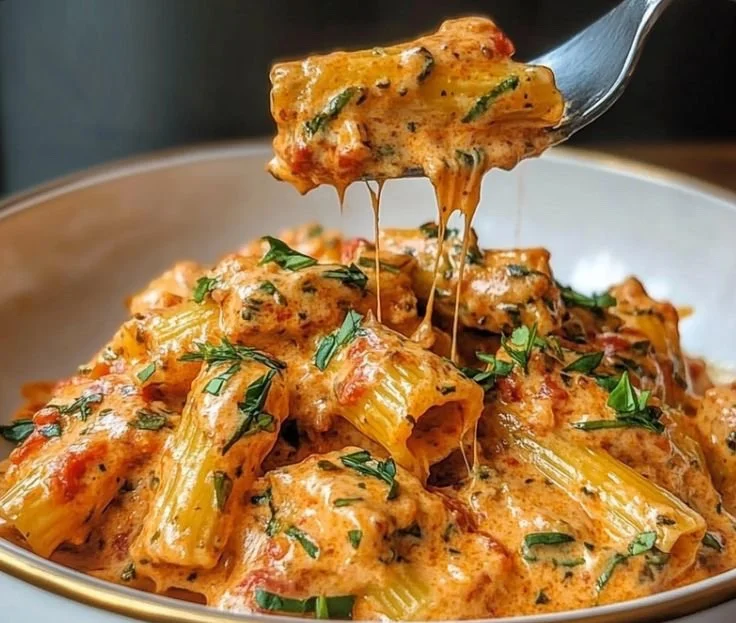
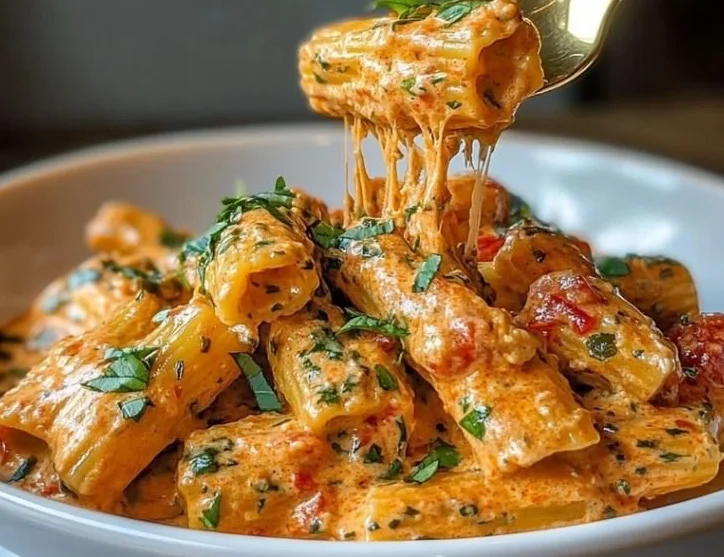
Creamy Tomato Garlic Pasta
This recipe delivers a rich, velvety tomato sauce brightened with garlic and finished with just enough cream to coat every strand of pasta without feeling heavy. The technique focuses on building flavor in stages—slow-sautéed garlic, concentrated tomatoes, and an emulsion that creates a silky finish—so each bite tastes layered rather than one-note. For a closely related variation with full ingredient breakdowns, see the original recipe and notes.
What makes this version special
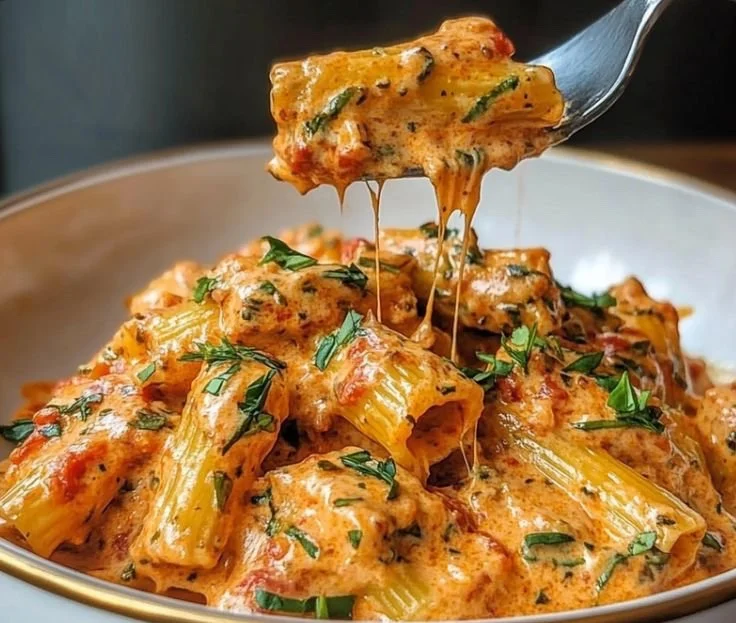
This approach emphasizes depth of tomato flavor without relying on canned tomato paste or heavy cream alone. Roasting or simmering down fresh or canned tomatoes concentrates sweetness and acidity while a quick garlic confit mellows raw bite and adds umami. The final emulsion — finished with a touch of cream, reserved pasta water, and olive oil or butter — turns acidic tomato into a glossy, clingable sauce that adheres to pasta rather than pooling on the plate.
Key differences from simpler versions:
- Building tomato flavor through reduction or roast instead of dumping sauce directly into the pan.
- Using reserved starchy pasta water as the emulsifier to create body and gloss.
- Timing garlic so it becomes aromatic but not bitter, achieved by low-heat sweating or roasting.
Ingredients (with notes)
- 12 oz pasta (penne, rigatoni, orecchiette, or long pasta like spaghetti) — choose shapes that trap sauce.
- 2 tbsp extra-virgin olive oil plus 1 tbsp butter (optional) — oil for sauté, butter for richness.
- 6–8 large garlic cloves, thinly sliced or crushed — adjust for preference; roasting reduces sharpness.
- 1 small yellow onion or 2 shallots, finely diced — adds savory sweetness.
- 28 oz canned whole peeled tomatoes or 2 lbs ripe plum tomatoes, chopped — canned are convenient; if using fresh, roast for better concentration.
- 1/2 cup heavy cream or half-and-half — heavy cream yields silkier texture; milk can thin the sauce.
- 1/2 cup freshly grated Parmesan or Pecorino Romano — adds saltiness and helps emulsify.
- 1/2 tsp red pepper flakes (optional) — for a subtle heat.
- 1 tsp sugar (optional) — if tomatoes taste overly acidic.
- Kosher salt and freshly ground black pepper to taste.
- Fresh basil leaves, torn, and lemon zest (optional) — fresh aromatics to finish.
- Reserved pasta cooking water (about 1 cup) — crucial for sauce texture.
Notes:
- Use high-quality canned tomatoes (San Marzano style) when not using fresh.
- Parmesan should be freshly grated to melt properly; pre-grated can be chalky.
- If dairy-free, use a blend of olive oil and a splash of coconut cream or cashew cream as substitutes (see substitutions section).
Equipment needed
- Large pot for boiling pasta.
- Wide sauté pan or skillet with a heavy bottom — wide surface lets sauce reduce evenly.
- Wooden spoon or silicone spatula for stirring.
- Blender or immersion blender (optional) — for a uniformly smooth sauce.
- Microplane for zest and grating cheese.
Short notes on choices:
- A heavy-bottom pan prevents hot spots and helps the sauce reduce without burning.
- Use a high-sided skillet for one-pot adaptations to avoid splatter.
Step-by-step method
- Bring a large pot of salted water to a boil. Salt should taste like the sea; it seasons the pasta from within.
- While waiting, sweat the garlic and onion: heat 2 tbsp oil over medium-low, add onion and cook until translucent, then add garlic and red pepper flakes. Keep the heat low so garlic softens without browning.
- Add tomatoes: crush canned tomatoes by hand or add chopped fresh tomatoes. Increase heat to medium-high to bring to a simmer, then reduce to maintain a gentle simmer. Let the mixture reduce until it thickens and intensifies, about 12–20 minutes for canned, 25–35 for fresh roasted tomatoes.
- Season during reduction: add salt, pepper, and a touch of sugar if needed. Taste as it reduces; flavors concentrate and become purer.
- Cook pasta until just shy of al dente (about 1–2 minutes less than package directions). Reserve 1 to 1 1/2 cups of cooking water before draining.
- Finish the sauce: lower heat, stir in cream and cheese a little at a time, then add 1/2 cup reserved pasta water to start. Toss in pasta and stir vigorously to emulsify sauce and pasta water into a cohesive coating. Add more pasta water as needed; the sauce should cling, not pool.
- Finish with butter or a drizzle of high-quality olive oil for shine, and fold in torn basil and lemon zest for brightness.
If you prefer an ultra-smooth texture, pulse the reduced tomato mixture in a blender before returning to the pan; then continue with steps 5–7.
Pro tips for perfect texture and flavor
- Use starchy pasta water deliberately: the dissolved starch is the primary emulsifier that binds fat and tomato. Add water in small increments until the sauce reaches a creamy clingy consistency.
- Control garlic’s intensity: slice thin for quick flavor release or roast whole cloves until soft and sweet for a milder, deeper garlic presence.
- Don’t overdo the cream: a small amount rounds acidity and creates silkiness. Too much will mask tomato flavor.
- Grate cheese finely and dissolve it into the sauce off the heat to prevent graininess. If cheese clumps, add a splash more hot pasta water and whisk vigorously.
- If the sauce separates or looks oily, bring it back to low heat, add a tablespoon of water and whisk to re-emulsify.
- For a brighter finish, add a teaspoon of lemon juice or a pinch of lemon zest at the end; acid lifts flavors without thinning the sauce.
In-depth technique: if you want a simplified one-pot approach without sacrificing flavor, consult the clear method used for a one-pot variant that adapts these same principles into a quicker process by combining the cooking steps in a single vessel — see the one-pot creamy garlic method for that technique.
Common mistakes and how to fix them
- Sauce too thin: simmer longer to reduce, or whisk in a spoon of grated cheese and a little pasta water to thicken. Avoid adding flour or cornstarch; they change texture.
- Bitter garlic: caused by high heat or overcooking. Remove the garlic, add fresh sliced cloves and cook gently, or use roasted garlic to mellow the flavor.
- Grainy sauce after adding cheese: cheese overheated or low-quality pre-grated. Fix by removing from heat, adding hot pasta water, and whisking until smooth. For future, use freshly grated cheese.
- Sauce separates (oil on top): bring back to low heat and whisk in hot pasta water slowly to re-emulsify, or add a knob of cold butter and whisk to bind.
- Underseasoned: season in stages — during reduction and after combining with pasta. Taste as you go.
Storage and reheating
- Refrigerator: cool completely, then store in an airtight container for up to 3 days. The sauce will thicken; loosen with a splash of water or milk when reheating.
- Freezer: freeze sauce (without pasta) for up to 3 months in portioned containers. Thaw overnight in the fridge and reheat gently.
- Reheating tips: reheat over low heat, stirring frequently; add reserved pasta water or splash of cream to restore silkiness. For individual portions, toss freshly cooked pasta with warmed sauce rather than reheating pasta in sauce.
Meal prep suggestion: double the sauce and freeze half. Cook fresh pasta when ready and toss with reheated sauce for near-fresh results.
Variations and substitutions
- Spicy arrabbiata twist: increase red pepper flakes and add a pinch of smoked paprika for warmth.
- Roasted tomato and garlic: roast tomatoes and whole garlic cloves at 425°F until caramelized, then blend for a smoky, sweet base.
- Dairy-free: substitute cream with a homemade cashew cream (soak cashews, blend with water) and use nutritional yeast instead of cheese for cheesiness.
- Protein additions: shredded rotisserie chicken, sautéed shrimp, or Italian sausage can be added after the sauce has reduced; heat through gently to avoid breaking the emulsion.
- Herb alternatives: swap basil for oregano or thyme depending on the profile you want; basil adds freshness, thyme brings earthiness.
Pairings and serving suggestions
- Bread: serve with crusty garlic bread or a warm baguette to mop up sauce.
- Vegetables: a simple arugula salad with lemon and Parmesan cuts richness; roasted green beans or broccolini offer a bitter counterpoint.
- Wine: a medium-bodied red like Chianti or a citrus-forward Sauvignon Blanc balances acidity and creaminess.
- Toppings: toasted breadcrumbs, toasted pine nuts, or a drizzle of herb oil add texture and freshness.
Frequently asked questions
Q: Can I make this with whole wheat or gluten-free pasta? A: Yes; cooking times will vary. Gluten-free pasta can be more fragile—cook to just al dente and toss gently. Whole wheat absorbs more sauce, so reserve a little extra pasta water.
Q: What if I don’t have cream? A: Use half-and-half or a splash of whole milk combined with a tablespoon of butter. For dairy-free, use blended cashews or coconut cream sparingly to avoid a coconut flavor.
Q: How do I get a silky, non-greasy finish? A: Slow reduction of tomatoes and gradual incorporation of cheese and pasta water creates a stable emulsion. Add fats last and whisk with starchy water.
Q: Can I prep parts ahead? A: Yes—roast or reduce tomatoes ahead and refrigerate. Reheat gently and finish with cream and cheese when plating.
Conclusion
This method balances concentrated tomato flavor, gentle garlic, and an emulsion technique that creates a luxurious coating for your chosen pasta shape.