Cauliflower Shawarma Bowls
Cauliflower Shawarma Bowls
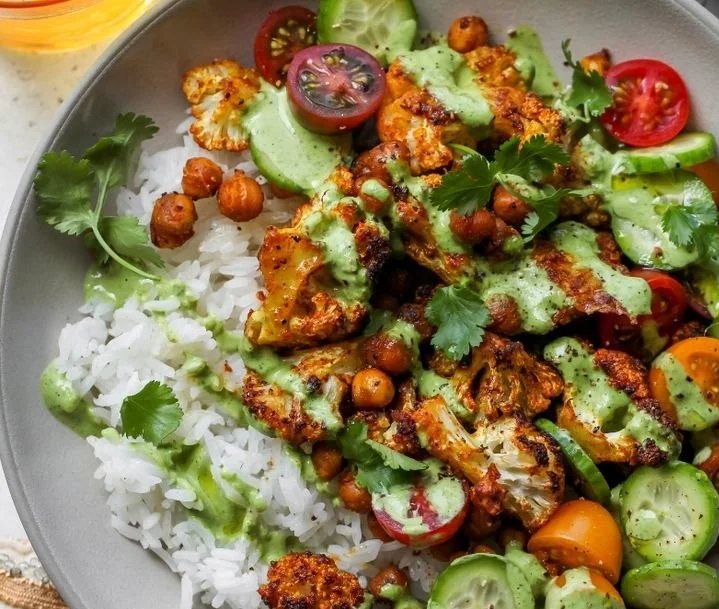
Roasted, spiced cauliflower takes center stage in a vibrant, customizable bowl built around Mediterranean shawarma flavors, fresh vegetables, and a tangy sauce—an easy weeknight meal that’s both satisfying and quick to scale for meal prep or entertaining. 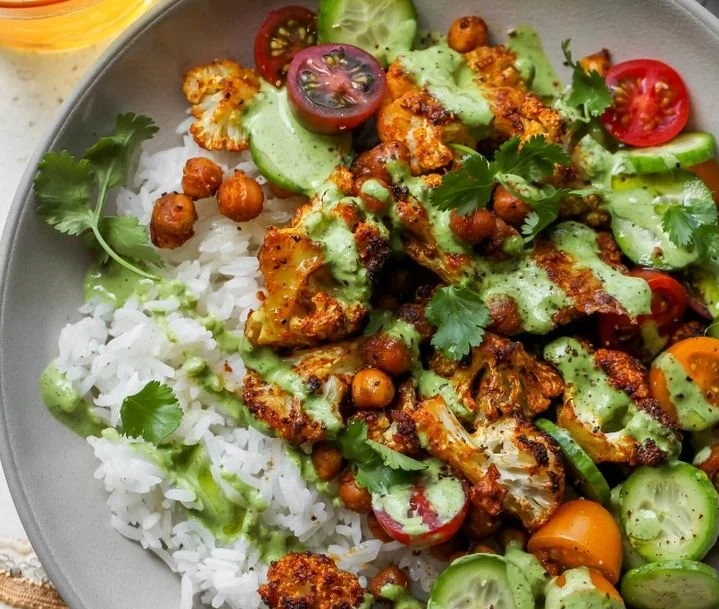
What makes this approach different and worth trying
This version leans on layered textures: crispy roasted florets with a caramelized edge, bright pickled elements, creamy tahini or garlic yogurt, and a bright herb finish that prevents the bowl from feeling heavy. Unlike a straightforward salad, the combination of concentrated roasting and a bold shawarma spice blend creates savory depth without meat, making it a convincing centerpiece for anyone reducing animal protein. If you like hearty bowl meals with bold seasoning, you might also enjoy this take on buffalo chicken bowls which use a similar build-your-own approach.
Ingredients and notes for best results
- Cauliflower: One medium head (about 1.5–2 pounds) cut into uniform florets. Uniform size ensures even roasting and crisp edges.
- Oil: 2–3 tablespoons neutral oil (avocado or light olive oil). Enough to coat but not drown the florets.
- Shawarma spice blend: 1½–2 teaspoons ground cumin, 1 teaspoon ground coriander, 1 teaspoon smoked paprika, ½ teaspoon ground cinnamon, ½ teaspoon turmeric, ½ teaspoon garlic powder, ½ teaspoon kosher salt, and a pinch of cayenne. Toast whole spices briefly if available and grind for extra fragrance.
- Acid: Juice of ½ lemon for finishing and optional 2 tablespoons of vinegar for quick pickles.
- Bases: Use cooked quinoa, brown rice, freekeh, or even mixed greens for a lower-carb option.
- Toppings: Cucumber, cherry tomatoes, thinly sliced red onion, chopped parsley, dill, and pickled red cabbage or quick pickles to cut richness.
- Sauce options: Tahini-lemon sauce, garlic yogurt sauce (use Greek yogurt), or a yogurt-tahini hybrid for creaminess.
- Optional proteins: Garbanzo beans (roasted or pan-crisped), baked tofu, or thin slices of roasted chicken.
Notes: Toasting and grinding fresh spices brightens the blend. Salt the cauliflower after it’s roasted to avoid drawing out moisture during cooking.
Equipment needed
- A large rimmed baking sheet for single-layer roasting.
- Mixing bowls for tossing florets and assembling toppings.
- A small saucepan or jar for making quick pickles and sauces.
- Parchment paper or silicone baking mat (optional but helps cleanup).
- Instant-read thermometer not required but helpful for checking grains or proteins.
Step-by-step instructions for a flawless roast
- Preheat oven to 425°F (220°C). High heat encourages caramelization and crisp edges.
- Prepare cauliflower: Wash, dry thoroughly, and cut into even florets. Drying prevents steaming in the oven.
- Toss: In a large bowl, combine florets, oil, and shawarma spice blend. Toss until florets are evenly coated; spread in a single layer on the baking sheet with space between pieces.
- Roast: Place in the preheated oven and roast 20–30 minutes, flipping once at 10–15 minutes, until edges are browned and florets are tender through. For a crisper result, broil for the last 1–2 minutes while watching carefully.
- Prepare base and toppings while cauliflower roasts: cook grains, chop vegetables, and make quick pickles by combining thinly sliced red onion or cabbage with vinegar, sugar, and salt; let sit at least 10 minutes.
- Make sauce: Whisk ¼ cup tahini with 2–3 tablespoons water, a tablespoon lemon juice, and a pinch of salt until pourable; or stir together ½ cup Greek yogurt with minced garlic, lemon, and salt.
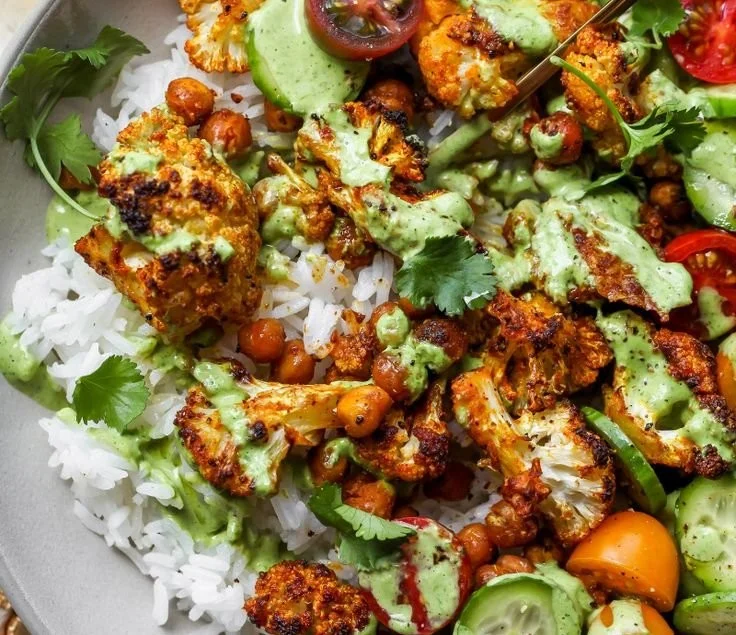
- Assemble: Spoon base into bowls, add roasted florets, scatter vegetables and herbs, drizzle sauce, and finish with an extra squeeze of lemon and a pinch of toasted sesame or za’atar if desired.
Pro tips for texture and flavor balance
- Dry the cauliflower completely after rinsing; moisture is the enemy of crispness.
- Use a high-heat roast to develop those deep browned bits that taste almost caramelized and nutty.
- Toss with oil and spices just before roasting; marinating raw cauliflower too long can soften it and reduce crispiness.
- For smoky depth, add a small pinch of ground smoked paprika or finish with a quick char in a hot skillet for 1–2 minutes.
- If using canned chickpeas for added protein, roast them with a touch of oil and the same shawarma spices for complementary flavor and crunch.
- Add acidic components—pickles, lemon, or a splash of sumac—at the end to brighten the bowl and cut richness from tahini or yogurt.
Storage, make-ahead, and reheating
- Make-ahead strategy: Roast cauliflower and prepare grains and sauces separately; store in airtight containers. Keep pickled items and fresh herbs separate until assembly to maintain brightness.
- Refrigeration: Stored components will keep 3–4 days. Sauces with yogurt may separate; whisk back together before serving.
- Freezing: Roasted cauliflower loses some texture after freezing; freeze only if necessary and reheat in a hot oven to try to reclaim crispness.
- Reheating: Reheat florets on a baking sheet in a 425°F oven for 8–10 minutes to revive edges. Microwaving is faster but softens the texture.
Variations and substitutions to suit diets and ingredients
- Vegan: Use tahini or a cashew-based cream and roast chickpeas for protein.
- Lower-carb: Replace grain base with mixed greens or riced cauliflower (briefly sautéed).
- High-protein: Add grilled chicken, lamb meatballs, or oven-baked halloumi slices.
- Spice adjustments: Increase cayenne and black pepper for heat; reduce cinnamon and turmeric if you prefer less warmth.
- Quick weeknight version: Use store-bought shawarma seasoning, pre-cut cauliflower, and ready-made hummus as a sauce shortcut.
- Mediterranean fusion: Swap tahini for a herb chimichurri or tzatziki variant to shift flavor profiles while keeping the core roasted cauliflower.
Common mistakes and how to avoid them
- Overcrowding the pan: Piled florets steam instead of roast—spread them in a single layer for browning.
- Skipping salt: Underseasoned florets taste flat; salt at the correct stages—some before roasting, and a finishing salt after.
- Over-marinating in oil: Too much oil prevents crisping. Use only enough to lightly coat.
- Adding delicate herbs early: Herbs wilt and lose vibrancy if roasted; add them fresh at the end.
- Drowning the bowl with sauce: Aim for drizzle and dollops rather than a pool of sauce—balance prevents sogginess and lets textural contrasts shine.
Pairings, serving suggestions, and complementary sides
Serve with warm flatbread or pita for scooping or let bowls stand alone with a side of roasted eggplant or a simple fattoush salad for crunch. A light, citrus-forward salad helps refresh the palate between bites of spice and tahini. For alternate bowl ideas and inspiration on different protein-forward builds, compare texture and assembly techniques with this recipe for burger bowls, which emphasize similar bowl construction strategies and contrasts.
Frequently asked questions
Q: Can I prepare the spice blend ahead of time?
A: Yes. Store it in an airtight jar for up to 3 months in a cool, dark place to keep it fragrant.
Q: How do I make the bowl kid-friendly?
A: Reduce heat by omitting cayenne and cinnamon, keep sauces mild (plain yogurt or hummus), and serve roasted florets whole or mashed as a familiar texture.
Q: Is there an alternative to tahini for those with sesame allergies?
A: Use Greek yogurt mixed with lemon and garlic or a sunflower seed butter thinned with water and lemon for a nut-free creamy option.
Q: Can I use frozen cauliflower?
A: Thawed frozen florets release water and won’t brown as well. Pat dry thoroughly and roast at high heat with slightly more oil; results will be softer.
Q: What grain-to-floret ratio works best?
A: Plan about 1 to 1½ cups of cooked grain per person and roughly 3–4 ounces of roasted florets per bowl for a balanced assembly.
Q: How do I keep bowls from becoming soggy when meal-prepping?
A: Store components separately—grains, roasted florets, pickles, and sauce—then assemble within 24–48 hours for best texture.
Use these techniques and variations to make a reliable, flavorful plant-forward bowl centered on spiced, roasted cauliflower that performs well for meal prep, weeknight dinners, and casual entertaining.