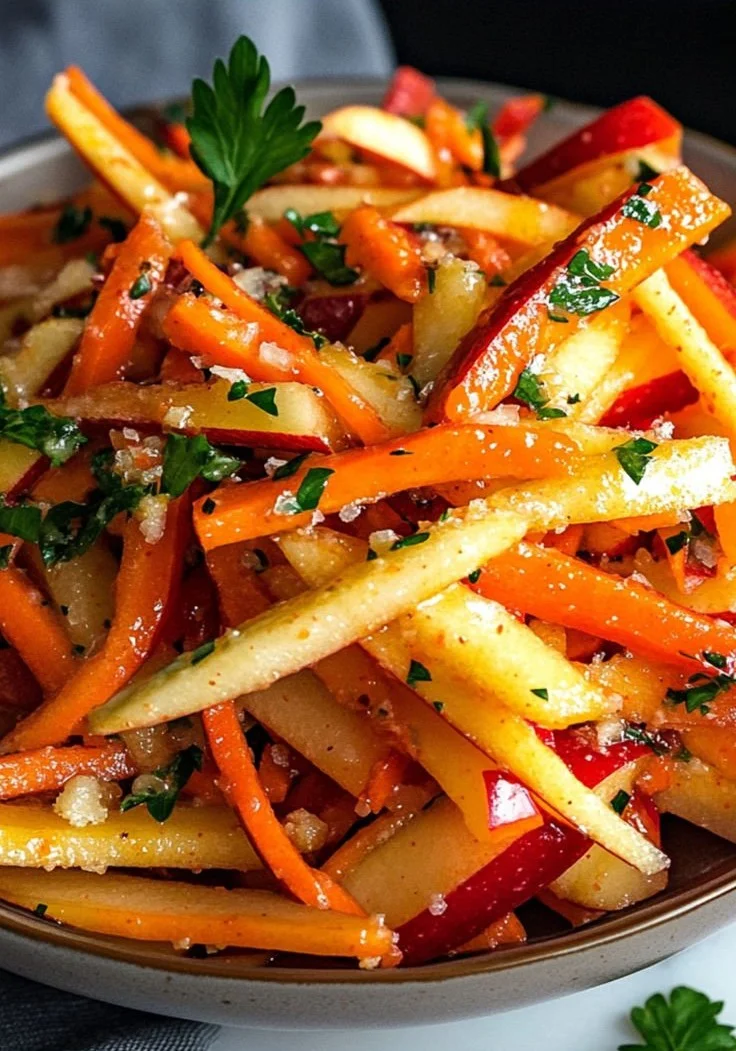
Carrot Apple Salad
Why this produce pairing works and when to serve it
The bright crunch of shredded carrot with the crisp sweetness of raw apple gives a contrast in texture and flavor that keeps this simple side dish from becoming ordinary. It’s refreshing enough for a light lunch, sturdy enough to accompany grilled proteins, and adaptable across seasons by swapping dressings or add-ins. For inspiration on turning it into a higher-protein meal, see this roundup of high-protein salads for lunch.
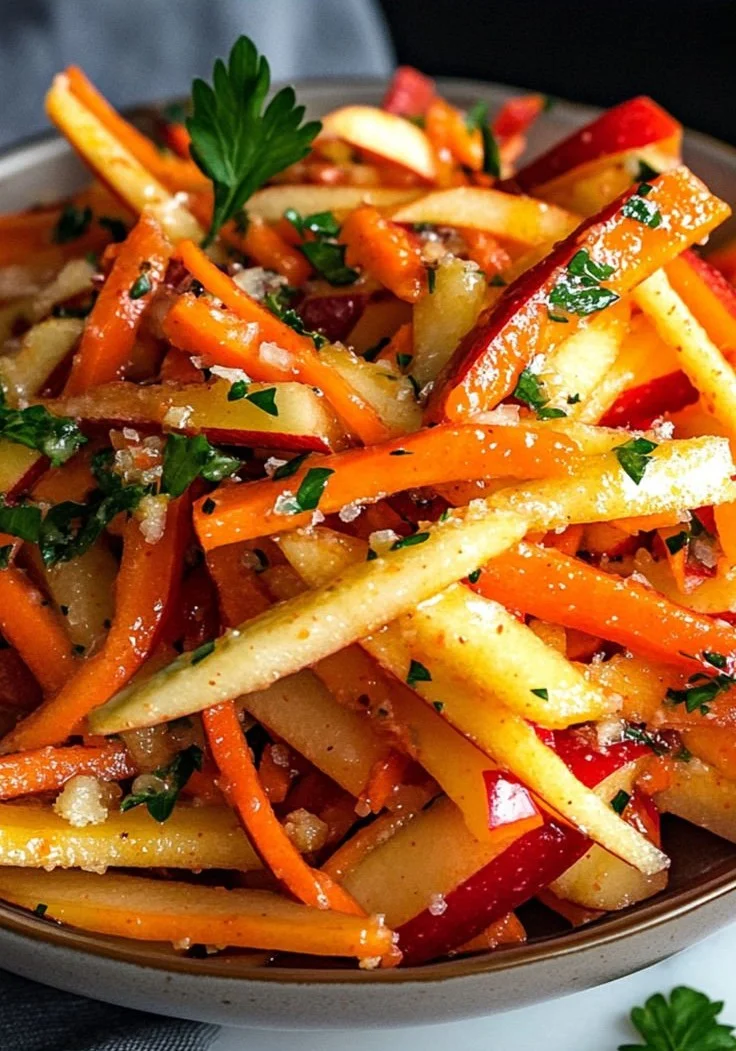
Ingredients with notes for best results
- Fresh carrots: Use firm, vibrant-orange carrots; baby carrots are fine but mature carrots have more texture. Peel only if the skin is thick or dirty.
- Crisp apples: Choose varieties with good snap and balanced sweetness—Honeycrisp, Pink Lady, or Fuji work well. Avoid mealy varieties.
- Acid: Lemon or lime juice prevents browning and brightens flavors; apple cider vinegar gives a milder tang.
- Fat: Olive oil or a neutral oil emulsifies dressings and carries flavors. Greek yogurt or tahini are good alternatives for creamier profiles.
- Sweetener (optional): A touch of honey, maple syrup, or agave balances sharper dressings.
- Crunch additions: Toasted nuts (pecans, walnuts, sliced almonds), pumpkin seeds, or sunflower seeds add texture.
- Herbs and aromatics: Fresh parsley, dill, or mint lift the salad; shallot or green onion adds bite.
- Salt and pepper: Season at the end to taste.
Notes:
- If you’ll store the dish, choose firmer apple varieties and add seeds/nuts just before serving.
- Use coarse-grated carrots for structure; very fine grating becomes mushy after dressing.
Equipment you’ll need
- Box grater or food processor with shredding disk for quick, consistent texture.
- Mixing bowl large enough to toss ingredients without spilling.
- Citrus juicer (optional) for quick fresh juice.
- Small jar or whisk to emulsify dressings.
- Airtight container for storage.
Step-by-step preparation and assembly
- Prep produce: Wash apples and carrots thoroughly. Trim carrot ends. Quarter apples, remove cores, and slice into matchsticks or use a coarse shred—don’t peel unless desired.
- Shred carrots: Use the shredding side of a box grater or the food processor’s shredder. Aim for uniform pieces to ensure even dressing distribution.
- Combine base ingredients: Place shredded carrots and apple strips in a bowl. Add thinly sliced shallot or green onion if using.
- Make the dressing: Whisk or shake together acid, oil, sweetener (if using), salt, and pepper. For creamy dressings, whisk in yogurt or tahini.
- Dress and toss: Pour about three-quarters of the dressing over the produce and toss lightly. Taste and add more as needed—don’t overdress.
- Add finishes: Fold in nuts, seeds, and fresh herbs last to preserve crunch and color.
- Rest briefly: Let the mixture sit 10–15 minutes for flavors to meld, or serve immediately for maximum crispness.
Timing tips:
- Dress and serve within 30 minutes for peak crunch.
- If making ahead, keep dressing separate and add right before serving.
Dressing formulas and balancing flavors
A basic formula: 1 part acid : 3 parts oil, salt to taste, and 1 teaspoon sweetener per cup of oil for balance. For creamier options, replace part of the oil with yogurt or tahini.
Three reliable dressings:
- Classic citrus vinaigrette: 2 tbsp lemon juice, 6 tbsp olive oil, 1 tsp Dijon mustard, 1 tsp honey, salt and pepper.
- Yogurt-honey-lime: 3 tbsp plain Greek yogurt, 1 tbsp lime juice, 1 tsp honey, 1 tbsp olive oil, pinch of salt.
- Toasted sesame-tahini: 1 tbsp tahini, 2 tbsp apple cider vinegar, 2 tbsp neutral oil, 1 tsp soy sauce or tamari, small pinch of sugar.
Balancing tips:
- If the apples taste tart, add a small amount of honey or maple to the dressing.
- If the dressing tastes flat, increase acid by 10–20% rather than adding more oil.
- For a spicier edge, fold in a pinch of cayenne or a dab of horseradish.
Pro tips for texture, shredding, and timing
- Matchstick vs. shred: Matchstick-cut apples provide longer bites and visual appeal; coarse shredding on carrots favors even dressing coverage. Combine both for contrast.
- Prevent sogginess: Salt the shredded carrots lightly and let them sit in a colander for 5 minutes, then pat dry. This removes excess water and concentrates flavor.
- Keep nuts crunchy: Toast nuts in a dry skillet for 3–5 minutes until fragrant, cool completely, then store separately until serving.
- Dressing distribution: Toss with a few tablespoons first; you can always add more. Overdressing makes the dish limp.
- Seasonal tweaks: In cooler months, swap fresh herbs for roasted apples and use a warm maple-mustard dressing to make the salad feel more substantial.
Storage, make-ahead strategy, and reheating guidance
- Short-term storage: Refrigerate in an airtight container up to 2 days if dressed; undressed base (shredded carrots and apples) will keep 3–4 days.
- Make-ahead strategy: Prep vegetables and dressing separately. Store apples in acidulated water (water with a squeeze of lemon) for up to 24 hours to prevent browning; drain and pat dry before tossing.
- Reheating: This is a cold dish—do not reheat. If you prefer a warmed version, gently toss the carrots with a warmed dressing and add apples at the end.
Serving suggestions and pairings
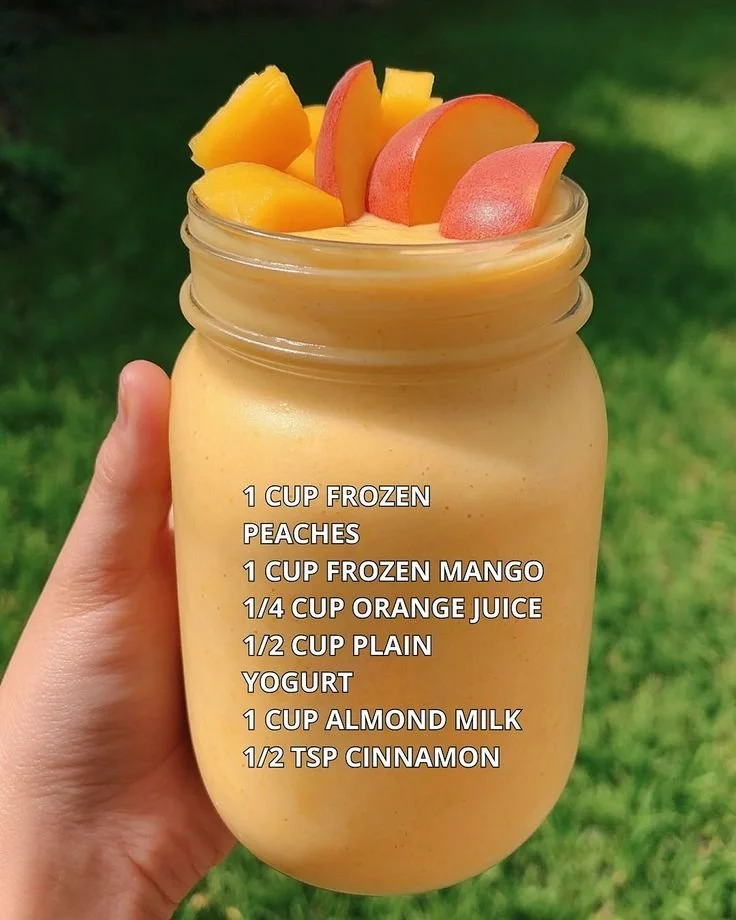
This slaw pairs with grilled chicken, roasted pork, fish tacos, or can be spooned onto a grain bowl. For a complete light meal, serve alongside a simple protein and a refreshing beverage—try complementing the flavors with a tropical refresher like an aloe vera pineapple smoothie. For hearty options, add grilled tempeh, canned tuna, or shredded rotisserie chicken.
Variations to suit diets and occasions
- Vegan: Use maple-sweetened citrus vinaigrette and add toasted pumpkin seeds for protein.
- Gluten-free: Naturally free of gluten; ensure any added soy sauce is tamari if needed.
- High-protein: Stir in edamame, cottage cheese, or chopped grilled chicken.
- Holiday twist: Add dried cranberries, orange zest, and pecans with a maple-sherry vinaigrette.
- Mediterranean: Add chopped cucumber, feta, olives, and a lemon-oregano dressing.
- Spicy-sweet: Include thinly sliced jalapeño and swap honey for agave.
Common mistakes and how to avoid them
- Mistake: Overdressing. Result: Limp texture and watered-down flavor. Fix: Reserve most of the dressing and add incrementally.
- Mistake: Using mealy apples. Result: Soggy bites that lack snap. Fix: Choose firm, crisp varieties.
- Mistake: Shredding too fine. Result: Mushy mouthfeel after sitting. Fix: Use coarse shred or matchsticks.
- Mistake: Adding nuts too early. Result: Loss of crunch. Fix: Fold in toasted nuts right before serving.
- Mistake: Skipping acid. Result: Dull flavor and fast browning. Fix: Add lemon or vinegar and taste again.
Frequently asked questions
Q: How do I stop apples from turning brown when stored?
A: Toss apple pieces in a small amount of lemon or lime juice, or place them briefly in acidulated water. Pat dry before mixing with other ingredients.
Q: Can I substitute other root vegetables for carrots?
A: Yes—thinly sliced jicama or raw beet ribbons work, but adjust dressing acidity and sweetness to the substitute’s natural flavor.
Q: Will this keep for meal prep?
A: Keep vegetables and dressing separate; combine within a day of serving for best texture.
Q: Can I make this into a sandwich filling?
A: Yes—mix slightly more dressing and use as a crunchy filling for wraps or slaw-style sandwiches with roasted meats.
Q: Is a food processor better than hand-grating?
A: For large batches, a food processor speeds up prep and gives uniform shreds. For small quantities or a rustic texture, a hand grater is fine.
Q: How do I make it nut-free but still add crunch?
A: Use roasted pumpkin or sunflower seeds, or crisped chickpeas for a nut-free crunch alternative.
Q: What’s a good ratio of apple to carrot?
A: Start with roughly equal volumes and adjust to preference—1:1 gives balanced sweetness and texture; increase carrot for a more savory, hearty side.