Carnitas Recipe (Mexican Pulled Pork)
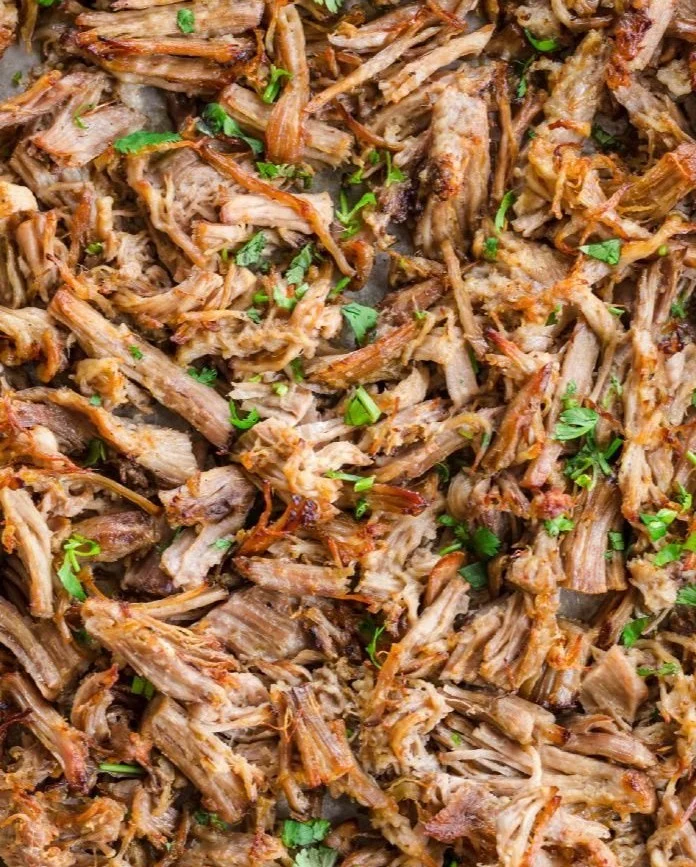
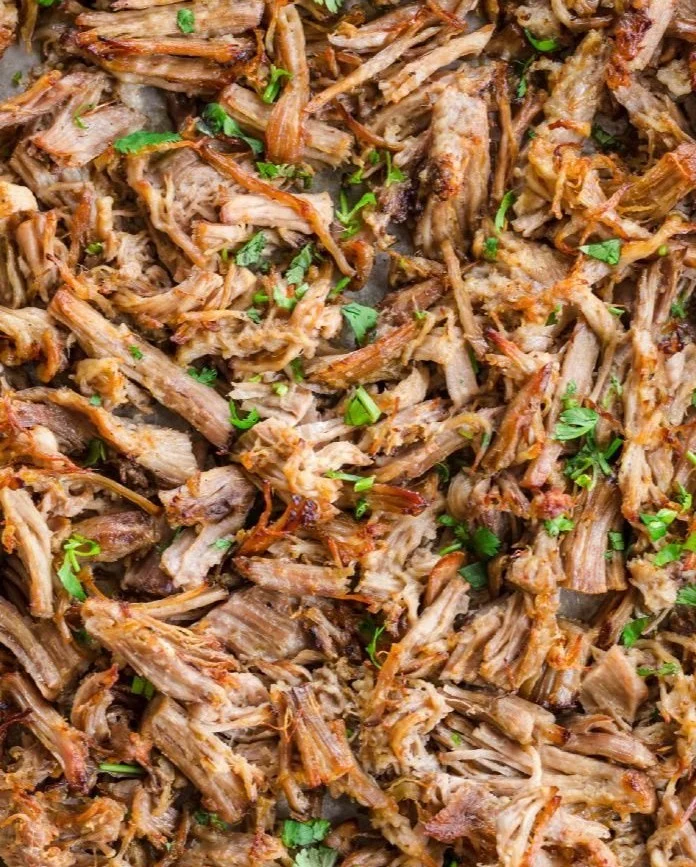
Carnitas are a classic Mexican technique for tender, flavorful pulled pork cooked low and slow until the meat falls apart and the edges caramelize. This guide gives a full breakdown — from ingredient choices and equipment to multiple cooking methods, crisping tricks, storage, common mistakes and FAQs — so you can make consistently excellent results at home. For quick one-pan side ideas to serve with this pulled pork, see 10 easy one-pan gnocchi recipes.
What makes this version special
This approach balances two objectives: deep, braised pork flavor and a final crisp texture that mimics restaurant carnitas. The recipe layers aromatics, citrus, and spices for bright, complex notes, then finishes the meat hot to develop caramelized edges without drying the interior. It works in a Dutch oven, slow cooker, or Instant Pot and includes clear timing and temperature guidance for each.
Ingredients (with notes on choices and why they matter)
- 4–5 lb pork shoulder (Boston butt), bone-in or boneless — high fat content gives moist, flavorful results.
- 2 tsp kosher salt per pound of meat (adjust to taste) — seasons the meat throughout.
- 1–2 tsp freshly ground black pepper — for a basic savory backbone.
- 1 tbsp dried oregano (prefer Mexican oregano if available) — adds classic herbal warmth.
- 2–3 bay leaves — subtle depth during braise.
- 1 large onion, quartered — provides sweetness and savory aromatics.
- 4–6 cloves garlic, smashed — essential savory punch.
- 1 orange, juiced (keep peel) and 1 lime, juiced — citrus adds acidity to cut the fat and contributes the characteristic carnitas tang.
- 1 cup low-sodium chicken broth or water — braising liquid; low-sodium lets you control final salt.
- 2 tbsp vegetable oil or lard — for searing and crisping.
- Optional: 1–2 chipotle peppers in adobo (minced) or 1–2 tsp ground cumin — for smoky heat.
- Optional finishing salt: flaky sea salt for crisped pieces.
Notes: Pork shoulder is non-negotiable for texture. Avoid lean cuts like loin. The citrus isn’t just flavor — its acidity aids tenderization.
Equipment needed
- Heavy Dutch oven or ovenproof pot for stovetop/oven method.
- Slow cooker for hands-off braising.
- Instant Pot/pressure cooker for a faster option.
- Cast-iron skillet or rimmed baking sheet for crisping the shredded meat.
- Tongs and a fork or meat claws for shredding.
- Instant-read thermometer (optional) to check internal doneness.
Choose equipment based on time and preference; each method below includes timing and steps.
Step-by-step instructions — three reliable methods
Stovetop/Oven (best texture; ~3.5–4 hours)
- Trim excess exterior fat, leaving some marbling. Pat the roast dry and season generously with salt, pepper and oregano.
- Heat 2 tbsp oil in a Dutch oven over medium-high heat. Brown the pork on all sides until deeply caramelized, about 3–4 minutes per side. Browning adds savory complexity.
- Remove meat, sauté onion and garlic in the same pot until softened, scraping browned bits. Add orange and lime juice, orange peel, bay leaves, chicken broth and optional chipotle. Return pork and bring to a simmer.
- Cover and transfer to a 325°F oven. Braise until the meat reaches 195–205°F and shreds easily, about 2.5–3 hours depending on size. Check liquid halfway; add water if dangerously low.
- Remove meat to a cutting board, discard bay leaves and orange peel. Shred with forks, reserving 1–2 cups braising liquid.
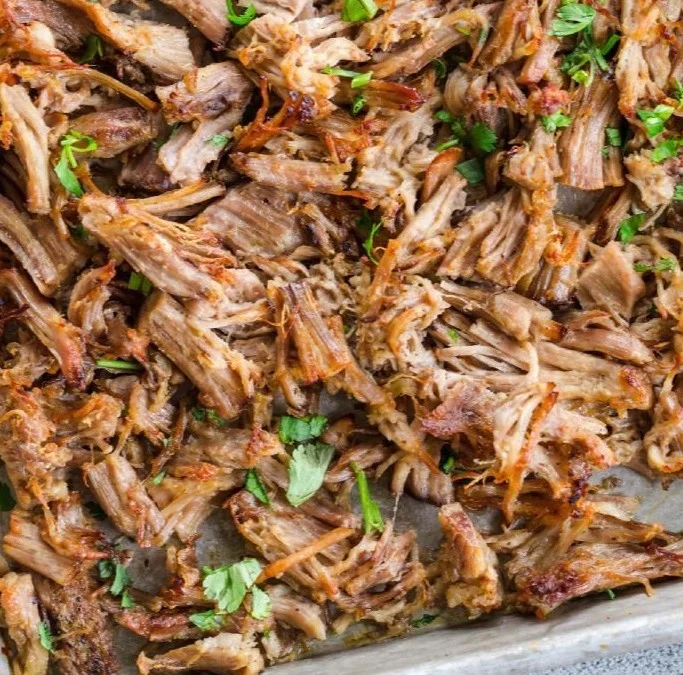
- For crisped carnitas, preheat broiler or heat a cast-iron skillet with a bit of oil. Toss shredded meat with a few tablespoons reserved liquid, spread on a rimmed sheet, and broil or pan-fry until edges caramelize and turn crisp. Finish with a sprinkle of flaky salt.
Slow Cooker (most hands-off; 6–8 hours)
- Sear the seasoned pork in a skillet or skip searing to save time (searing improves flavor).
- Place onion, garlic, citrus, bay leaves and broth in slow cooker; add pork on top. Cook on low 6–8 hours.
- Shred and reserve liquid. Crisp under broiler or in a skillet as above.
Instant Pot/Pressure Cooker (fast; 60–75 minutes)
- Use sauté to brown the pork for 6–8 minutes total.
- Add aromatics, citrus and broth. Seal and cook high pressure for 60 minutes for a 4–5 lb shoulder. Allow natural release for 15 minutes.
- Shred, reserve liquid, then crisp under broiler or skillet.
Pro tips for restaurant-style results
- Salt early: Season meat several hours before cooking or the night before and refrigerate uncovered to improve flavor penetration and surface texture.
- Don’t skimp on searing: Even if you use a slow cooker, quick browning adds much more concentration to the braise.
- Reserve the braising liquid: It’s concentrated pork flavor; toss shredded meat with a few tablespoons before crisping to keep the interior juicy.
- Crisp in small batches: Overcrowding the pan or sheet prevents browning. Spread shredded pork in a single layer.
- Finish with acid and herbs: A squeeze of fresh lime and chopped cilantro brightens rich pork right before serving.
Storage, reheating and make-ahead strategy
- Refrigerate cooked carnitas in an airtight container up to 4 days. Store shredded meat separate from crunchy toppings to maintain texture.
- Freeze cooked carnitas up to 3 months in vacuum-seal or freezer-safe containers. Thaw overnight in the refrigerator.
- Reheat gently: Warm in a skillet with a splash of reserved braising liquid over medium-low heat until hot, then crisp a few minutes at the end. Avoid microwave reheating for large batches; it makes meat rubbery.
- Make-ahead: Braise meat 2–3 days ahead, shred, reserve liquid and keep in fridge. Crisp right before serving for best texture.
Pairings and serving suggestions
Carnitas are versatile: serve in warm corn tortillas with diced onion, cilantro, and lime for classic tacos, or make burrito bowls with rice, beans and pickled red onion. For cool, refreshing beverage options that complement rich pork, try a bright smoothie from this collection: 12 tasty chia seed smoothie recipes. Other pairings: pickled jalapeños, tomatillo salsa, charred corn salad, or simple cabbage slaw for crunch and acidity.
Variations to suit taste and equipment
- Citrus-forward: Increase orange and lime for a brighter braise; add orange slices to the pot.
- Smoky-spicy: Add chipotle in adobo or smoked paprika for depth.
- Sofrito-style: Use tomato, bell pepper and cilantro stems in the braise for an herbier profile.
- Oven-crisped chunks: Instead of shredding, cut into 1–2 inch pieces and roast on a sheet to keep larger, chewier bites.
- Vegetarian “pulled” option: Use young jackfruit braised in the same spice-citrus mixture for a plant-based alternative.
Common mistakes and how to avoid them
- Mistake: Using a lean cut. Fix: Always pick pork shoulder for fat and connective tissue that converts into silky collagen.
- Mistake: Skipping sear step. Fix: Sear even briefly for better flavor; if time is tight, sear the surface quickly on all sides.
- Mistake: Overcooking to dryness when crisping. Fix: Keep some braising liquid and toss meat lightly before crisping; crisp at high heat but only long enough for caramelization.
- Mistake: Not seasoning enough. Fix: Taste and adjust salt after shredding; reserved liquid helps distribute seasoning evenly.
- Mistake: Crowding the pan for final crisp. Fix: Crisp in batches to ensure browning.
Frequently asked questions
Q: Can I use pork butt vs Boston butt?
A: Pork butt and Boston butt are the same cut; both are ideal. Picnic roast can work but may require trimming and longer cooking.
Q: What internal temperature indicates doneness?
A: Aim for 195–205°F for pull-apart tenderness. Collagen breaks down in this range; lower temps will resist shredding.
Q: Should I discard the fat from the braising liquid?
A: Don’t discard all fat — a little fat adds flavor — but skim excess before finishing if desired. Reserve a tablespoon or two to toss with shredded pork for richness.
Q: How long to cook in a slow cooker without searing?
A: On low, plan 8–10 hours for a fully tender result if you skip searing; searing shortens needed time and improves flavor.
Q: Can I make smaller portions?
A: Yes, scale linearly and reduce cook times slightly. Smaller roasts will reach target temperatures faster; always test for shreddability.
This method produces juicy, deeply flavored pulled pork with crisped edges that elevate tacos, bowls and sandwiches. Follow the temperature guidelines, reserve braising liquid, and crisp thoughtfully for the best results.