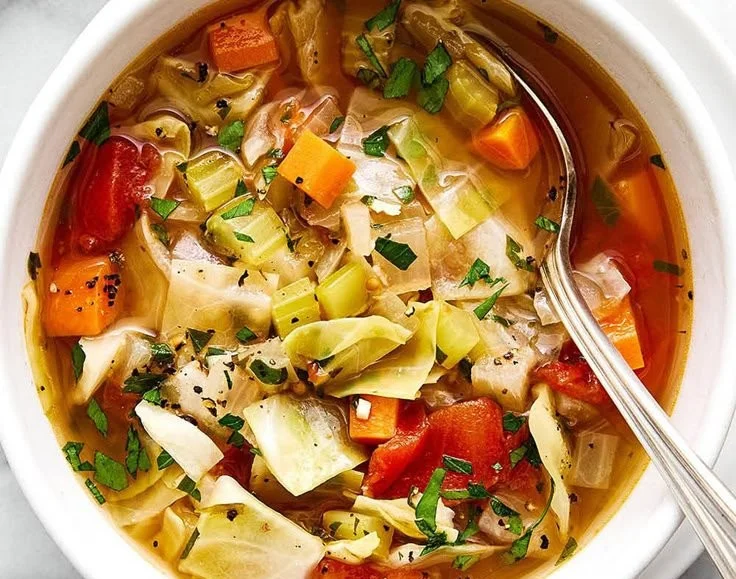
BEST Cabbage Soup (Easy & Healthy!)
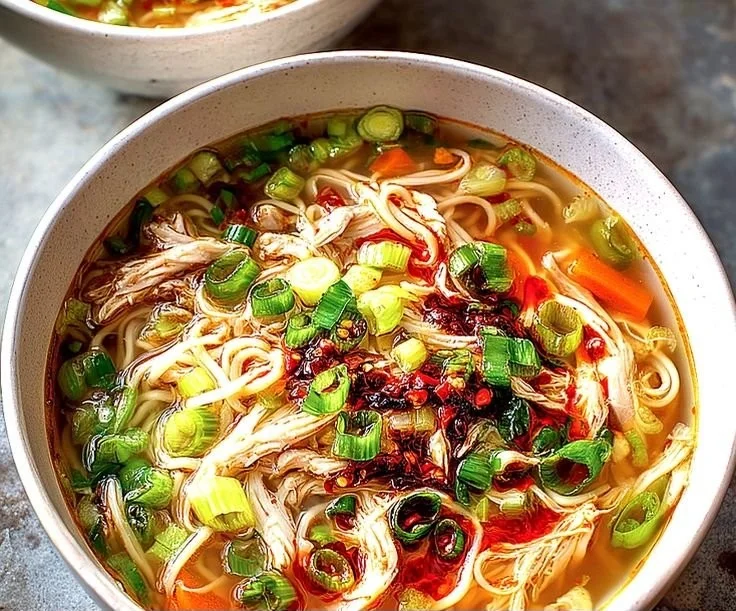
A bright, savory pot that cooks quickly and keeps well, this cabbage soup gives you maximum flavor with minimal fuss. It balances tender cabbage, aromatic aromatics, and savory broth so you get a comforting, low-calorie meal that works as a main or a meal prep staple. If you want a spicier or metabolism-focused twist, try the popular cabbage fat-burning soup variation for an alternate flavor profile and heat level.
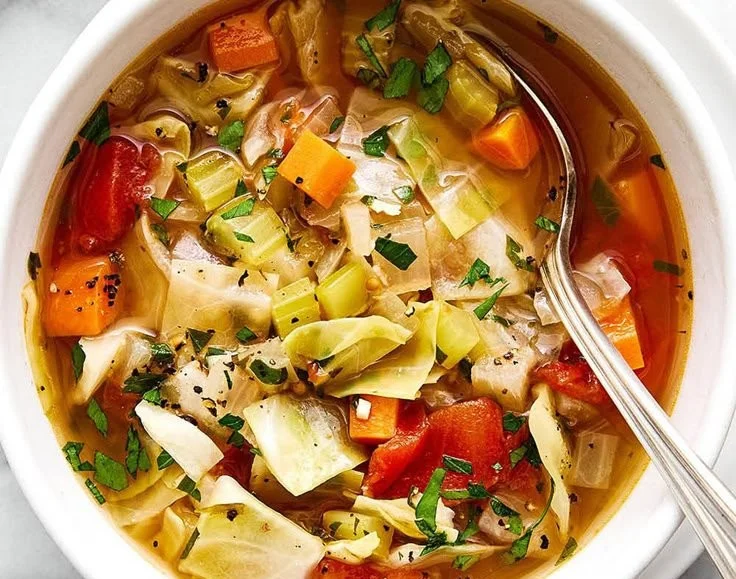
What makes this version stand out
This recipe focuses on depth of flavor without heavy cream or long braising. Two techniques lift the taste: sweating the aromatics to release sugars and roasting a portion of the vegetables to add caramelized notes. A mix of stock and a splash of acid at the end brightens the bowl so the cabbage never tastes flat. The result: a hearty, light soup you can serve as an everyday dinner or portion for lunches.
Ingredients (with notes)
- 1 medium green cabbage (about 2–3 pounds), cored and thinly sliced
- Choose firm heads with crisp leaves for best texture; avoid wilted heads.
- 2 tablespoons olive oil or neutral oil
- Use olive for flavor, avocado or canola if you prefer a cleaner taste.
- 1 large yellow onion, diced
- 3 carrots, peeled and cut into ¼-inch rounds
- 2 celery stalks, diced
- 3–4 garlic cloves, minced
- 1 (14-oz) can diced tomatoes (no-salt-added recommended)
- Tomatoes add body and a hint of acidity.
- 6 cups low-sodium vegetable or chicken stock
- Low-sodium gives you control over salt at the end.
- 1 teaspoon smoked paprika (optional)
- 1 teaspoon dried thyme or 1 tablespoon fresh thyme leaves
- 1 bay leaf
- Salt and freshly ground black pepper to taste
- 2 tablespoons apple cider vinegar or lemon juice
- Acid added at the end wakes up the flavors.
- Optional protein: shredded cooked chicken, white beans, or diced smoked sausage
Notes:
- Use a mix of green and Savoy cabbage for better leaf texture if available.
- Low-sodium stock helps when adding salty proteins like sausage.
Equipment needed
- Large heavy-bottomed pot or Dutch oven (6–8 quarts)
- Sharp chef’s knife and cutting board
- Wooden spoon or silicone spatula
- Ladle for serving
- Optional: sheet pan for roasting vegetables
Step-by-step instructions
- Prep the vegetables: core and thinly slice the cabbage, dice the onion and celery, and slice the carrots. Mince garlic and set aside.
- Optional roasted vegetables: toss half the carrots and half the onion with 1 tablespoon oil, spread on a sheet pan, and roast at 425°F for 20–25 minutes until caramelized. This step adds depth but can be skipped for a faster version.
- Heat 1 tablespoon oil in the Dutch oven over medium heat. Add remaining onion, carrots, and celery. Sweat until translucent and starting to color, about 6–8 minutes.
- Add garlic, smoked paprika, and thyme; cook another 60 seconds until fragrant.
- Stir in the sliced cabbage and canned tomatoes with their juices. Cook, stirring occasionally, until the cabbage begins to wilt, 4–6 minutes.
- Pour in the stock and add the bay leaf. Bring to a simmer, cover partially, and cook for 20–25 minutes until cabbage and carrots are tender.
- If you roasted vegetables, stir them in now to enrich the broth.
- Taste and adjust salt and pepper. Finish with apple cider vinegar or lemon juice for brightness.
- Optionally add shredded cooked chicken or rinsed white beans to warm through for a protein boost. Heat gently for 5 minutes.
- Remove bay leaf and serve hot.
Tips embedded in steps:
- Keep the pot at a gentle simmer; a rolling boil breaks down cabbage too quickly and makes it mushy.
- If you like a thicker texture, remove 1–2 cups of soup, puree, and stir back in.
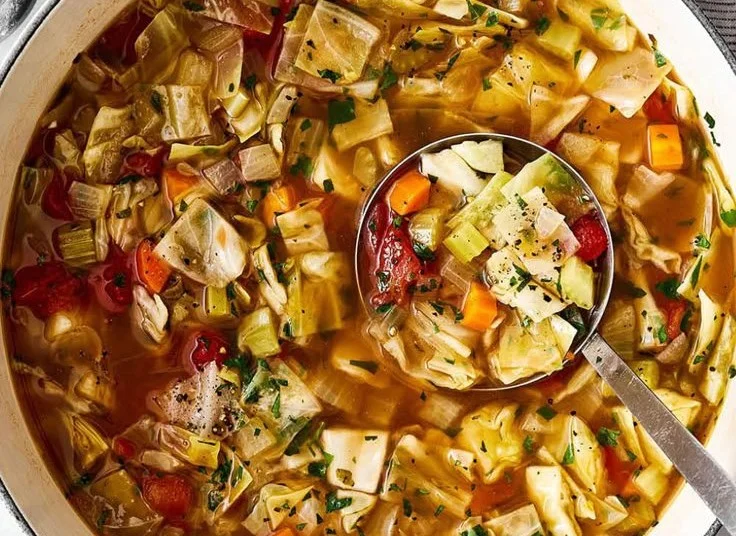
Pro tips for better texture and flavor
- Slice cabbage uniformly so every piece cooks at the same rate; a mandoline or sharp knife helps.
- Sweat before adding liquid: gently cooking aromatics and cabbage concentrates sugars and prevents watery taste.
- Balance acidity at the end. A little vinegar or lemon brightens the whole pot in a single stir.
- Add delicate herbs (parsley, cilantro) at the finish to preserve freshness; hearty herbs (thyme, rosemary) can go in earlier.
- For smoky depth without meat, use smoked paprika or a small piece of kombu simmered with the stock.
Storage and reheating
- Refrigerate: cool to room temperature, then store in airtight containers for up to 4 days.
- Freeze: portion into freezer-safe containers for up to 3 months; leave 1 inch headspace for expansion.
- Reheat gently on the stove over low–medium heat, adding a splash of water or stock if the soup has thickened. Avoid rapid boiling on reheating to preserve texture.
- When reheating frozen soup, thaw overnight in the fridge for quickest, most even heating.
Pairings and serving suggestions
- Serve with crusty whole-grain bread or buttered rye to soak up the broth.
- A scoop of cooked quinoa or farro stirred in makes it a more substantial single-bowl meal.
- Top with a dollop of plain yogurt or a sprinkle of grated Parmesan for creaminess.
- Light salads with tangy vinaigrette complement the soup’s savory base.
Variations and dietary swaps
- Vegetarian: use vegetable stock and add white beans or lentils for protein.
- Keto-friendly: omit starchy carrots and add mushrooms, zucchini, and a swirl of olive oil.
- Low-sodium: use water and add aromatics like celery leaves, bay leaf, and a Parmesan rind while simmering, removing the rind before serving.
- To make a two-course combo, use this light broth as a starter alongside the 10-minute Chinese egg drop soup for a satisfying, quick pairing.
Common mistakes and how to avoid them
- Overcooking the cabbage: avoiding a rolling boil and checking texture after 20 minutes prevents mushy leaves.
- Under-seasoning: soups take salt well; season in stages and finish with acid to reveal hidden flavors.
- Skipping the aromatics: onion, carrot, and celery form the flavor base—cutting them too small or adding them raw at the end produces a flat soup.
- Using thin, watery stock: a richer low-sodium stock or a blend of broth and water yields better mouthfeel than plain water.
Frequently asked questions
Q: Can I use red cabbage instead?
A: Yes. Red cabbage gives a sweeter, slightly earthier flavor and a striking color; note that acidity can shift its hue. Slice thinner because red cabbage is denser.
Q: How long will leftovers last in the fridge?
A: Up to 4 days in an airtight container. Reheat gently and add a splash of stock or water if it has thickened.
Q: Can I make this in a slow cooker or instant pot?
A: For slow cooker: brown aromatics on the stove, then transfer everything to the slow cooker and cook on low for 6–8 hours. For Instant Pot: sauté aromatics with the sauté function, add remaining ingredients, seal, and cook on high pressure for 5 minutes with a natural release for 5–10 minutes.
Q: Is cabbage soup filling enough for weight loss?
A: This is a low-calorie, nutrient-dense meal that can be part of a balanced plan. For satiety, add a lean protein (chicken, beans) or whole grains.
Q: Can I use bagged pre-shredded cabbage?
A: Yes, but check for excess moisture. Squeeze out pooled liquid to avoid diluting the broth and shorten cooking time because pre-shredded cabbage cooks faster.
Final notes
This approach prioritizes flavor-building techniques so the bowl feels satisfying without heavy ingredients. Whether you’re prepping lunches for the week or serving a simple weeknight dinner, adapt the protein and seasoning to your taste and pantry. Small steps—sweating aromatics, roasting a few vegetables, and finishing with acid—make a reliable, standout soup every time.