Best Bruschetta Recipe
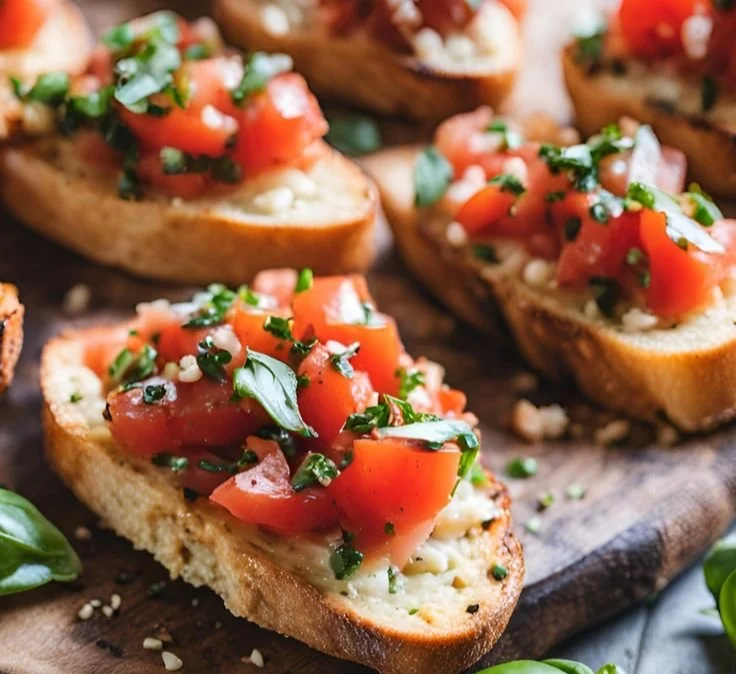
A bright, garlicky tomato topping, crisp olive oil–toasted bread and a few fresh herbs—this approach delivers the perfect balance of texture and flavor for an easy appetizer or light meal. The technique focuses on ripe tomatoes, proper salting and a quick char on the bread so each bite is juicy without becoming soggy.
Why this version stands out
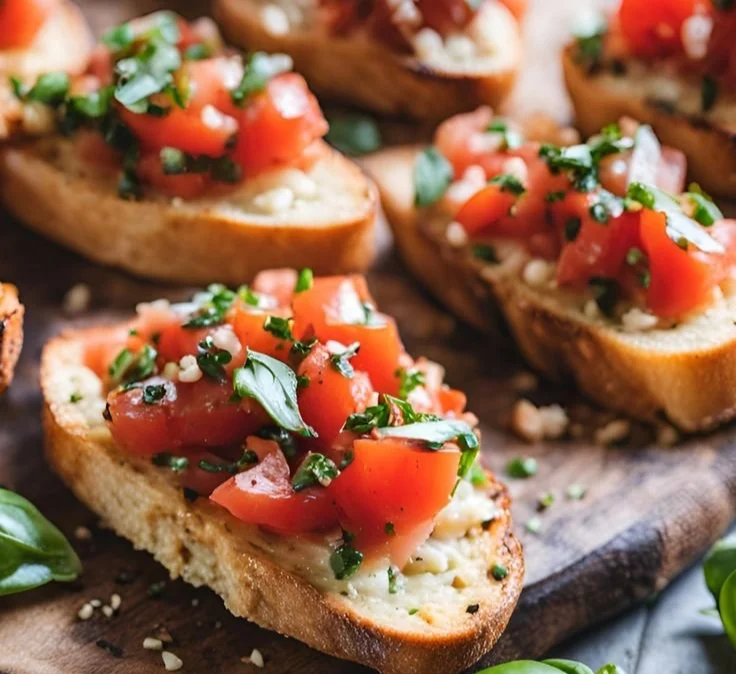
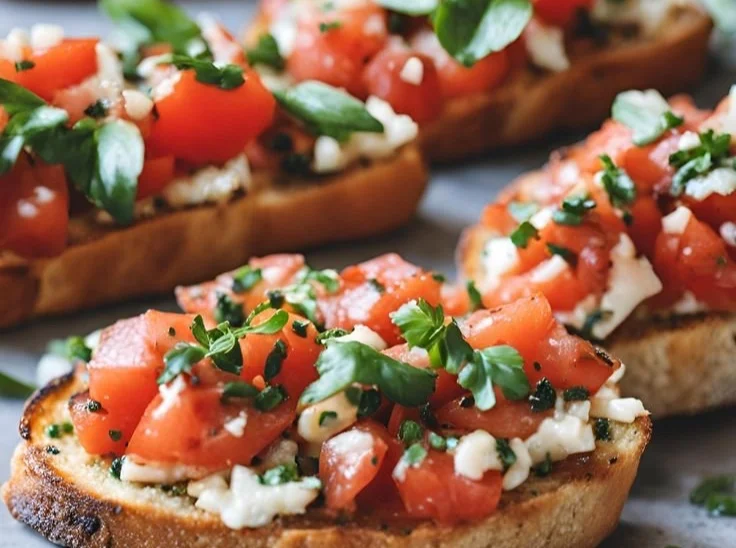
This version emphasizes timing and ingredient quality: ripe, firm tomatoes; high-quality extra-virgin olive oil; and a quick grill or broil on the bread so the crust stays crunchy. The result is a contrast of cool, herby tomato and warm, slightly smoky toast that holds up on a serving tray.
Small, targeted choices—like removing excess tomato seeds and gently macerating the tomato mixture—make the topping intensely flavorful without watering down the bread. For a complementary cold drink, try a round of refreshing fruit smoothies alongside the serving platter.
Ingredients (with notes)
- Tomatoes — 4–5 medium, ripe but not overly soft (Roma or vine-ripened). Firmness helps prevent soggy toast.
- Garlic — 1–2 large cloves, finely minced or rubbed into the bread for a subtler aroma.
- Fresh basil — about 10–12 leaves, chiffonade (thin ribbons) for aroma and flavor.
- Extra-virgin olive oil — 3 tablespoons for the topping; additional for brushing the bread.
- Red wine vinegar or balsamic — 1 tablespoon to brighten the tomatoes.
- Salt and freshly cracked black pepper — to taste.
- Bread — 1 small baguette or rustic country loaf, sliced 1/2-inch thick.
- Optional: small pinch of red pepper flakes, grated Parmesan or a balsamic reduction drizzle.
Notes:
- Use tomatoes that taste like tomatoes. If supermarket varieties are bland, consider cherry tomatoes halved for concentrated flavor.
- Olive oil quality matters; a fruity, peppery extra-virgin gives the best finish.
- Vinegar choice changes the profile: red wine vinegar brightens, aged balsamic adds sweetness.
Equipment needed
- Sharp chef’s knife and cutting board for clean tomato cuts.
- Mixing bowl and spoon for macerating.
- Grill pan, broiler, or skillet to toast the bread.
- Garlic press or microplane (optional) for finer garlic distribution.
- Colander or spoon to remove excess tomato juices if necessary.
Step-by-step instructions
- Prep the tomatoes: core and chop into small dice. If using large beefsteaks, halve, seed with a spoon, then dice to remove excess liquid.
- Salt and rest: place tomatoes in a bowl, sprinkle with 1/2 teaspoon kosher salt, and let sit 10–15 minutes. This draws out juice and concentrates flavor.
- Finish the topping: gently drain off excess liquid (reserve for soups if desired). Add minced garlic, torn basil, vinegar, 3 tablespoons olive oil, and black pepper. Taste and adjust seasoning.
- Prepare the bread: slice the loaf on a slight diagonal for wider surface area. Brush both sides lightly with olive oil.
- Toast the slices: on a grill pan or under a broiler, toast until golden and blistered, about 1–2 minutes per side. Bread should be warm and crisp.
- Garlic rub (optional): while still warm, rub one side of each toast with a halved garlic clove for subtle flavor.
- Assemble just before serving: spoon the tomato mixture onto each toast. Add a finishing drizzle of olive oil, a basil leaf, and optional grated cheese or pepper flakes.
Timing tips:
- Toast bread right before topping to preserve crunch.
- If you must assemble ahead, store topping separately and spoon on toasts at service time.
Pro tips for maximum flavor and texture
- Salt in stages: light salt during resting, then finish after mixing to balance juiciness without over-salting.
- Control moisture: if the topping still seems watery, strain for another 5 minutes or fold in a tablespoon of breadcrumbs to absorb excess liquid.
- Heat variation: a quick char from a hot grill adds smokiness; a broiler creates blistered peaks. Avoid long, slow toasting which can dry the interior.
- Garlic intensity: rubbing the toast with garlic gives a mellow aroma; mixing raw garlic into the topping is more assertive. Use both for layered garlic notes but reduce quantity if serving garlic-sensitive guests.
- Serve temperature: topping slightly cool and toast warm gives the best contrast.
Storage and make-ahead guidelines
- Tomato topping: store in an airtight container in the refrigerator up to 24–48 hours. Flavor can intensify; drain excess liquid before serving.
- Bread: toast right before serving. If necessary, toasted slices can be briefly re-crisped in a 350°F oven for 3–4 minutes.
- Assembled bruschetta should not be stored long; assembled toasts will become soggy within an hour, especially in humid kitchens.
Pairings and serving suggestions
- Wines: light, acidic whites (Pinot Grigio, Vermentino) or a crisp rosé match the tomato acidity.
- Other bites: a simple caprese skewer, marinated olives, or a bowl of mixed nuts complement the platter.
- Drinks: for a fresh, energizing combo pair the toasts with healthy juice for energy to balance the savory flavors.
- Serving style: offer the topping in a bowl with tongs for guests to spoon themselves, or pre-assemble for a more formal presentation—just time it close to serving.
Variations and substitutions
- Tomato-free option: use roasted red peppers or a mushroom-garlic sauté for a different profile.
- Cheesy twist: mix a tablespoon of ricotta or soft goat cheese into the topping for a creamier bite.
- Vegan/low-fat: skip added cheese and limit olive oil to 2 tablespoons, replacing a drizzle with lemon juice for brightness.
- Herb swaps: thyme or oregano can replace basil for a more rustic, Mediterranean edge.
- Bread alternatives: for gluten-free needs, use a sturdy GF baguette or grilled thick vegetable slices (eggplant or zucchini) as the base.
Common mistakes and how to avoid them
- Soggy bread: avoid over-wet tomatoes, don’t assemble too early, and ensure bread is well-toasted.
- Bland topping: using underripe tomatoes or cheap olive oil leads to flat flavor. Taste and adjust vinegar and salt.
- Burnt bread: high heat is good, but watch closely—char adds flavor, but charred-bitter slices ruin balance.
- Overpowering garlic: raw garlic is strong; use rubbing for subtlety or mince very finely if mixing into the topping.
- Inconsistent tomato size: uneven chopping leads to messy bites. Aim for uniform dice so each toast gets a balanced mouthful.
Frequently asked questions
Q: Can I use canned tomatoes? A: Fresh tomatoes give the best texture and brightness. Canned crushed tomatoes are okay for a cooked bruschetta topping but won’t provide the fresh, juicy bite of raw diced tomatoes.
Q: How do I avoid watery topping? A: Salt and rest, then drain. Remove seeds from large tomatoes and discard excess juice. Gently pressing with a spoon helps remove extra liquid.
Q: Is it okay to use bottled balsamic glaze? A: Yes, a light drizzle adds sweetness and visual appeal—use sparingly to avoid overwhelming the tomato brightness.
Q: How long can I keep leftovers? A: Keep topping refrigerated for up to 48 hours and toast new bread when ready to serve to prevent sogginess.
Q: Can I make this for a crowd? A: Yes—keep topping in a large bowl and toast bread on baking sheets in hot ovens or on a few grill pans, assembling just before serving.
Conclusion
For a reliable, crowd-pleasing appetizer that emphasizes fresh ingredients and crisp texture, follow the outlined approach and adjust acid, salt and oil to your taste.