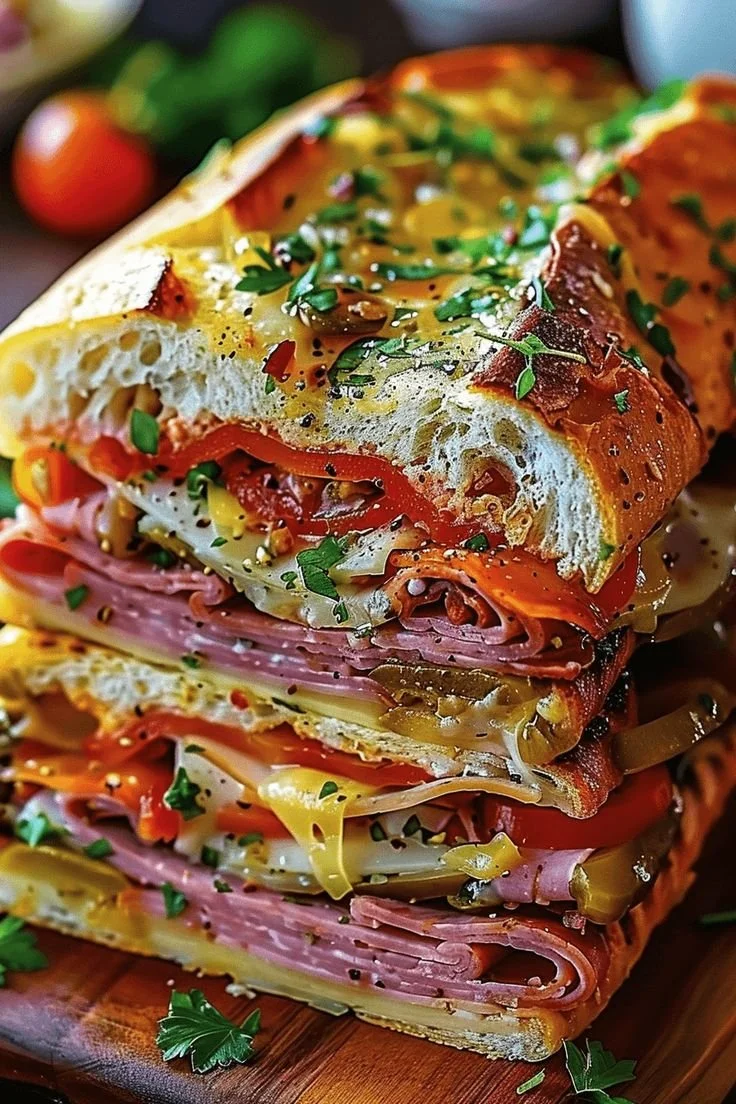
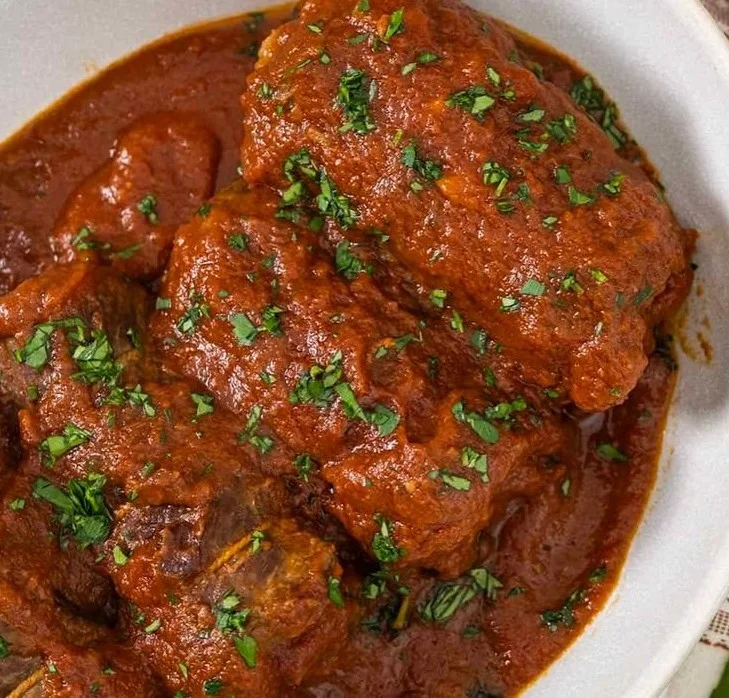
Authentic Italian Braciole
Classic Italian braciole rely on thin beef slices rolled around a savory filling, slow-cooked until tender and infused with tomato and aromatics. This recipe-focused guide covers ingredient selection, rolling technique, and cooking methods to recreate an authentic, home-style version that delivers tender meat and rich sauce. For a complementary sauce that deepens flavor, pair the dish with this 130-year-old authentic spaghetti sauce recipe.
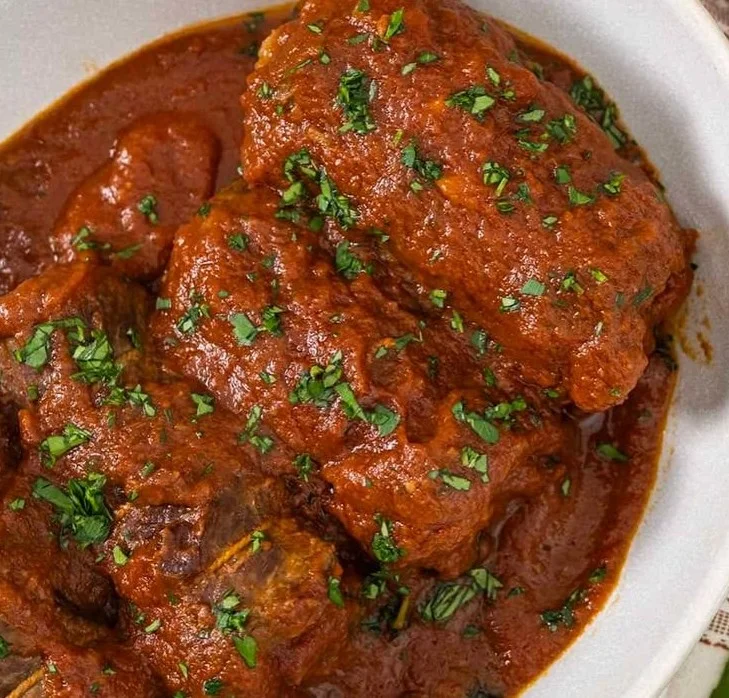
Ingredient choices and meat prep
Choose top round or flank steak, sliced thin (about 1/8 inch) for easy rolling and even cooking. Trim excess fat and pound gently to an even thickness to avoid tearing. Salt lightly before assembling so the meat absorbs seasoning without becoming dry.
Filling elements that define the flavor
Use a mixture of Pecorino Romano or Parmigiano-Reggiano, fresh parsley, garlic, and breadcrumbs soaked in a little milk to bind. Add a pinch of red pepper flakes for heat and a touch of lemon zest for brightness. Keep the filling compact to prevent spills during cooking.
How to roll, secure, and tie properly
Lay each slice flat, spread a thin line of filling about 3/4 inch from the edge, then roll tightly away from you. Secure with butcher’s twine or two toothpicks; tie at intervals to maintain shape. Tight, uniform rolls ensure even cooking and a neat presentation.
Browning technique and deglazing
Brown rolls in olive oil over medium-high heat to develop a deep crust—work in batches to avoid steaming. Deglaze the pan with a splash of red wine or stock, scraping up fond to enrich the sauce. Proper browning is critical for the final sauce’s complexity.
Simmering versus oven-braising
Transfer browned rolls to a pot with a simmering tomato sauce and cook low and slow for 1.5–2 hours, or braise in a 325°F oven covered for a similar time. Stove-top simmering allows easier monitoring of sauce consistency, while oven-braising delivers very even, hands-off heat.
Finishing touches and slicing
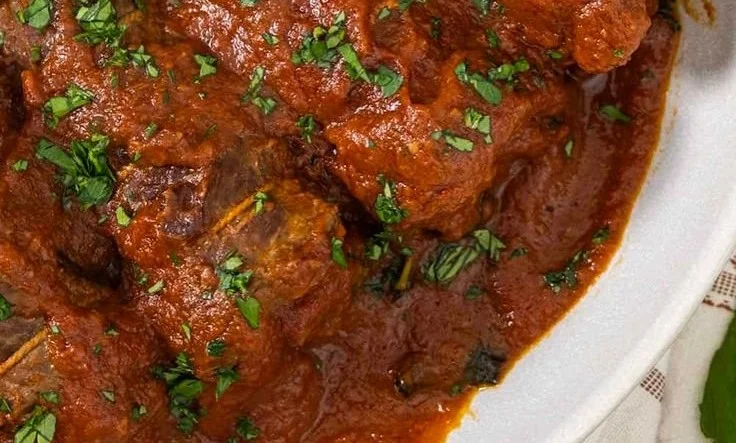
Remove twine before serving and rest the rolls briefly to redistribute juices. Slice at a slight diagonal into medallions to show the spiral filling. Spoon reduced sauce over the slices and finish with grated cheese and fresh parsley for contrast.
Serving suggestions and pairings
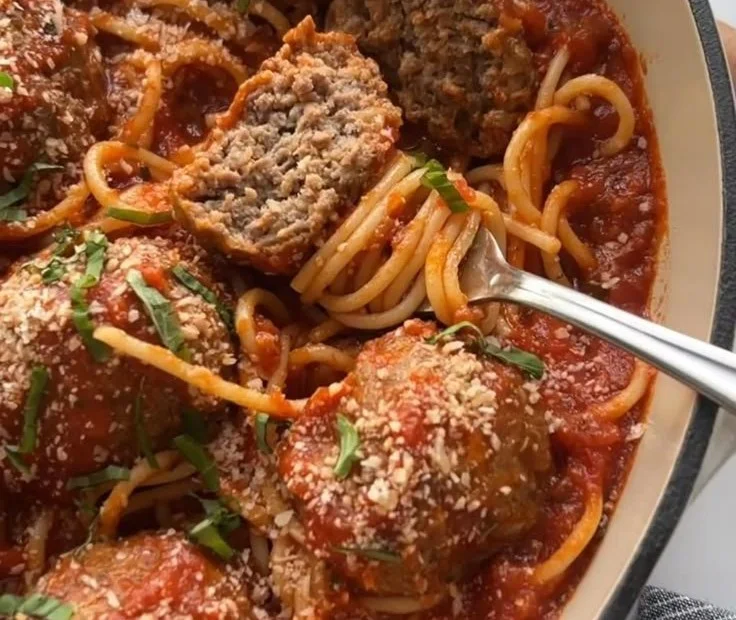
Serve with long pasta or creamy polenta to soak up the sauce, and a simple green salad for freshness. For a complementary protein approach that keeps the meal cohesive, consider pairing with baked Italian meatballs on the side; this baked Italian meatballs recipe offers a compatible flavor profile and easy prep.
Common mistakes to avoid
Avoid overfilling or rolling too loosely, which leads to bursts during cooking. Don’t rush browning—thin, pale rolls lack depth. Keep sauce simmering gently; vigorous boiling can toughen the meat and evaporate liquid unevenly.
Conclusion
For a tested version from a home-cooking source, see this detailed guide on Always From Scratch that walks through rolling and sauce tips. For another authentic take with step-by-step photos and measurements, consult the Marcellina In Cucina braciole recipe.