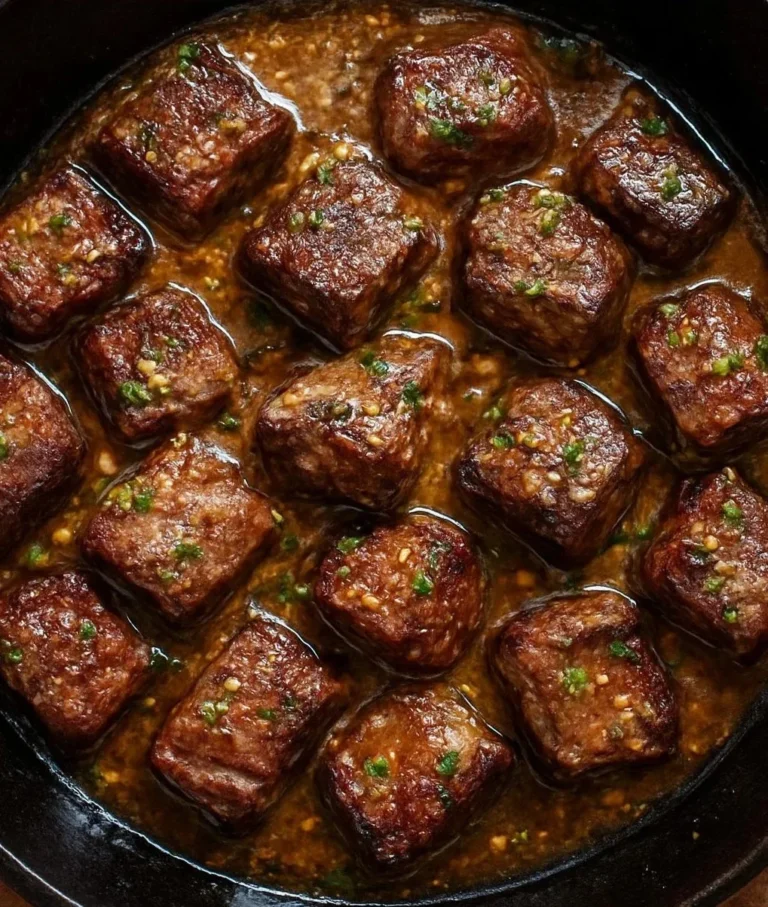
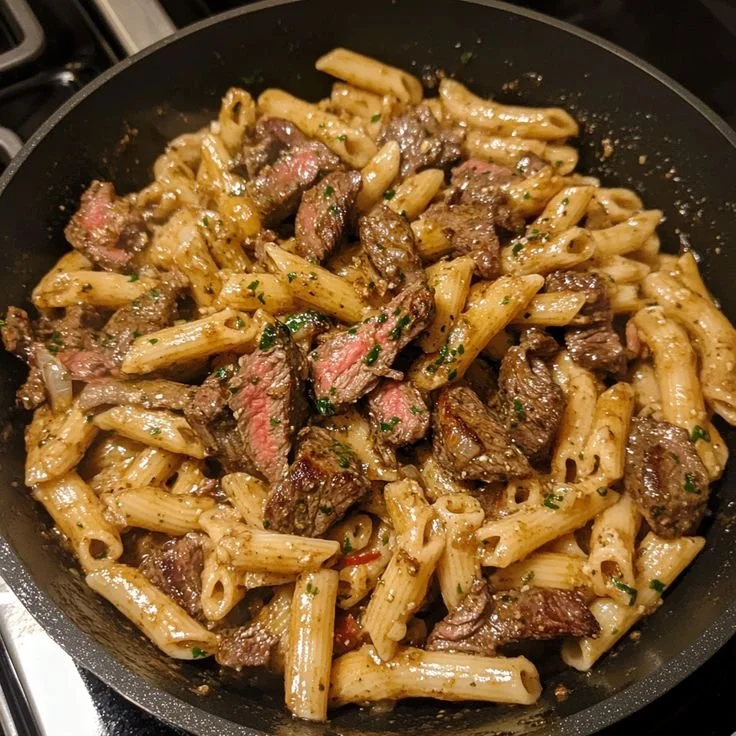
One-Skillet Spicy Garlic Butter Parmesan Steak Pasta
Quick overview of the skillet method and flavors
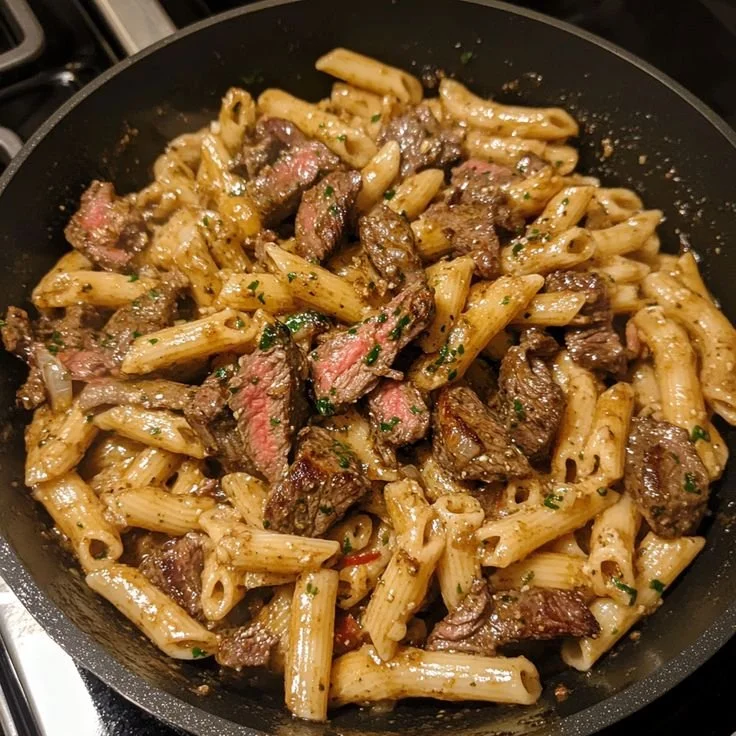
This one-pan dinner combines seared steak, spicy garlic, butter, and grated parmesan with pasta cooked right in the skillet for fast cleanup and concentrated flavor. For a lighter weeknight take using similar flavor building blocks, try this variation on healthy garlic Parmesan chicken pasta, which swaps proteins and trims calories without losing the garlic-parmesan profile.
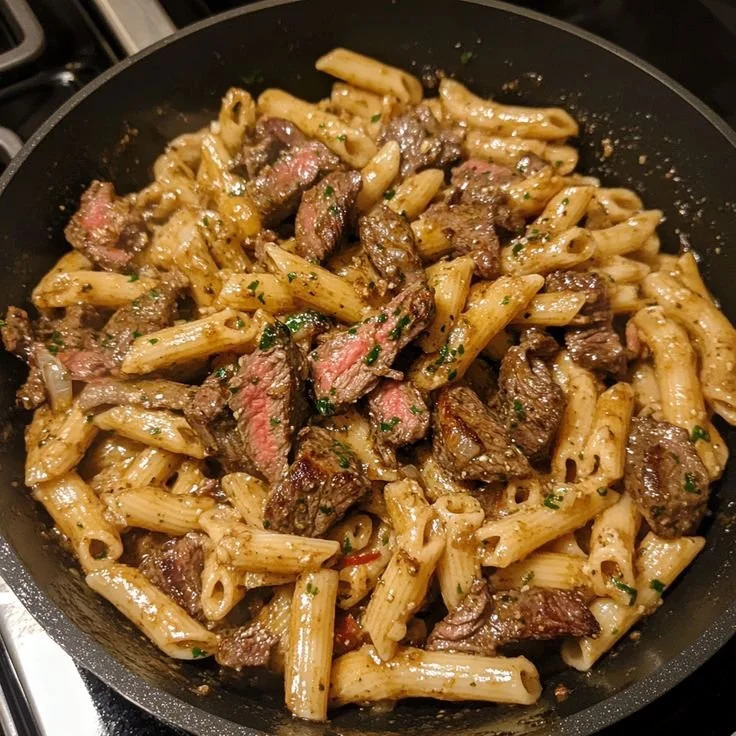
Ingredients to have on hand
Use a tender steak cut (sirloin, ribeye, or strip) so it sears quickly and stays juicy next to pasta. Standard pantry items include dry pasta, low-sodium beef or chicken broth, unsalted butter, freshly grated Parmesan, garlic, crushed red pepper flakes, salt, and black pepper. Olive oil helps with searing; a splash of cream or a cream substitute can round the sauce if you prefer a richer finish. Fresh parsley brightens the finished dish.
Why the one-skillet approach works here
Searing steak in the same pan concentrates fond (browned bits) that dissolve into the sauce, giving the pasta a beefy, garlicky backbone without extra stock pots. Liquid added to the skillet loosens those browned bits while cooking pasta absorbs flavor directly, cutting total cooking time and leaving a silky sauce with minimal effort.
Prep steps for speed and consistent results
Trim and thinly slice the steak against the grain so it cooks quickly and stays tender. Mince garlic finely to release maximum flavor into butter. Measure broth and pasta before starting; use a skillet large enough to hold the pasta in a single layer for even cooking. Bring ingredients to room temperature when possible to shorten sear and cook times.
Searing the steak and building the base
Heat the skillet until hot, add oil, and sear steak pieces in batches so they brown instead of steam. Season simply with salt and pepper; remove steak and reserve drippings. Add garlic and crushed red pepper to the pan briefly in butter—don’t burn the garlic. Deglaze with broth or a splash of wine, scraping the fond to fold those flavors into the sauce.
Cooking the pasta in the skillet
Add uncovered dry or par-cooked pasta to the skillet and pour in hot broth just enough to cover the noodles. Stir frequently so pasta cooks evenly and releases starch, which thickens the sauce naturally. Adjust liquid during cooking so final consistency clings to pasta rather than pools on the plate.
Finishing with butter and parmesan for a silky sauce
Turn heat low, return steak to warm through, then stir in cold butter and freshly grated Parmesan off the heat for an emulsified, glossy sauce. Taste and adjust seasoning; a touch more crushed red pepper heightens the spicy note without overpowering garlic and cheese.
Timing and doneness tips
Aim for quick, high-heat searing to preserve steak juiciness; with thin slices, 1–2 minutes per side often suffices. If using thicker cuts, consider partial oven finishing. Let the steak rest briefly before slicing if searing whole. Pasta timing depends on shape and size—check slightly before package directions when cooking in liquid to avoid overcooking as the sauce reduces.
Simple variations and add-ins
Boost heat with sliced jalapeños or cayenne, add mushrooms for an earthy note, or fold in spinach at the end for color and texture. For a creamier twist, stir in a few tablespoons of cream or mascarpone before serving. If you prefer tomato-tinged options that still highlight garlic, see a related creamy pasta idea like creamy tomato garlic pasta to inspire complementary sauces.
Serving, storage, and reheating
Serve hot with extra grated Parmesan and chopped parsley for freshness. Leftovers keep well in an airtight container for 2–3 days; reheat gently on the stovetop with a splash of broth to loosen the sauce and preserve texture. Avoid microwave reheating at high power, which can toughen the steak and separate the sauce.