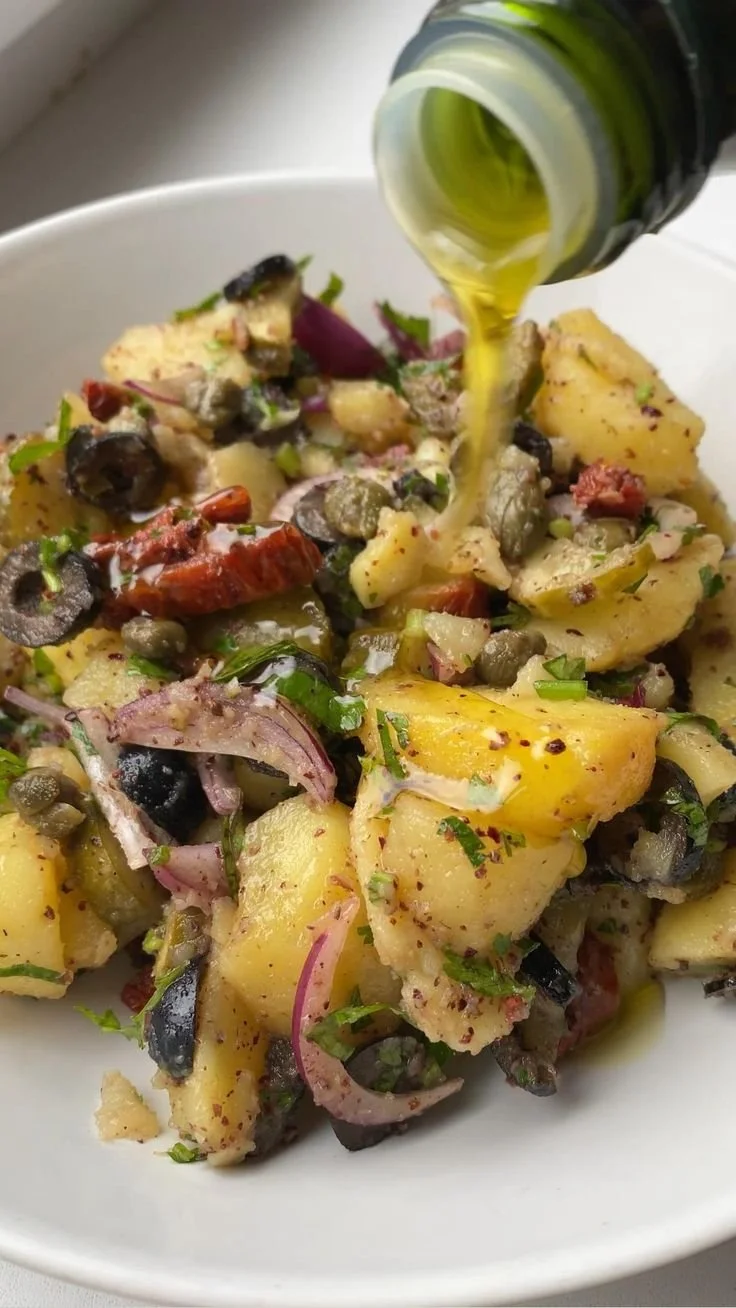
SUMAC POTATO SALAD
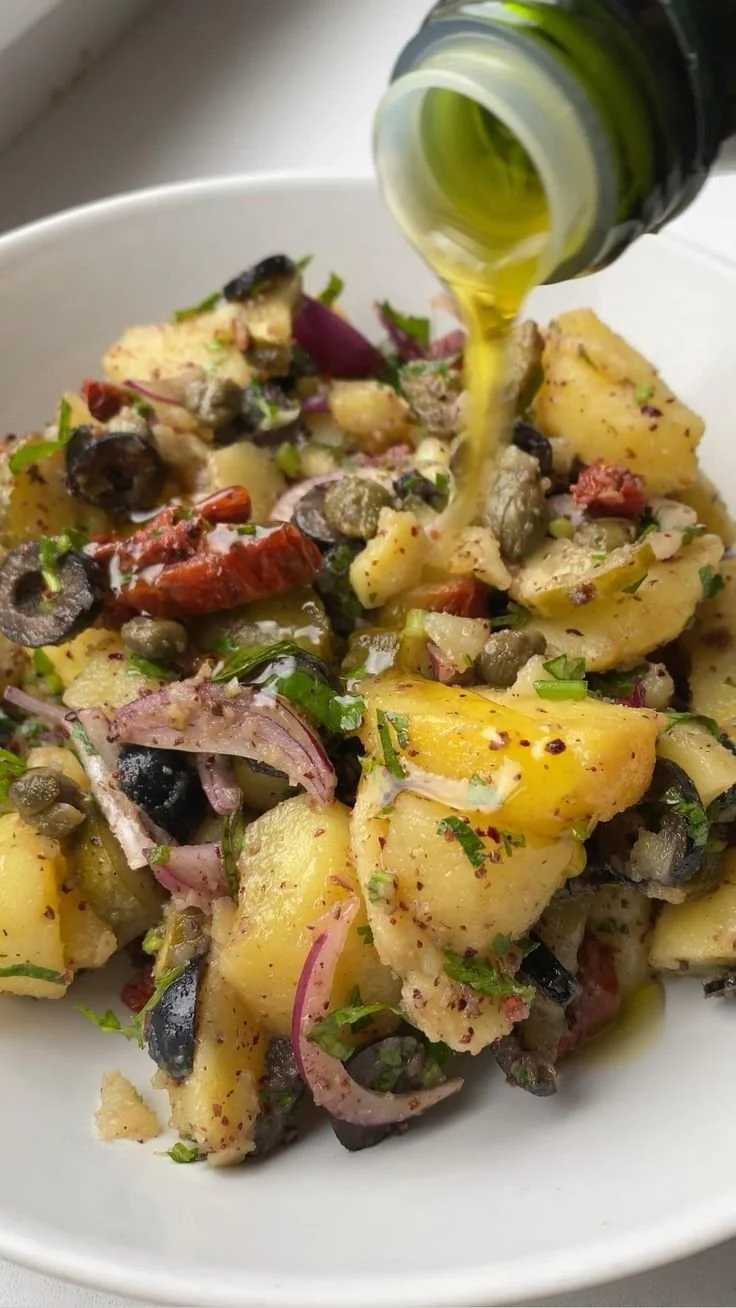
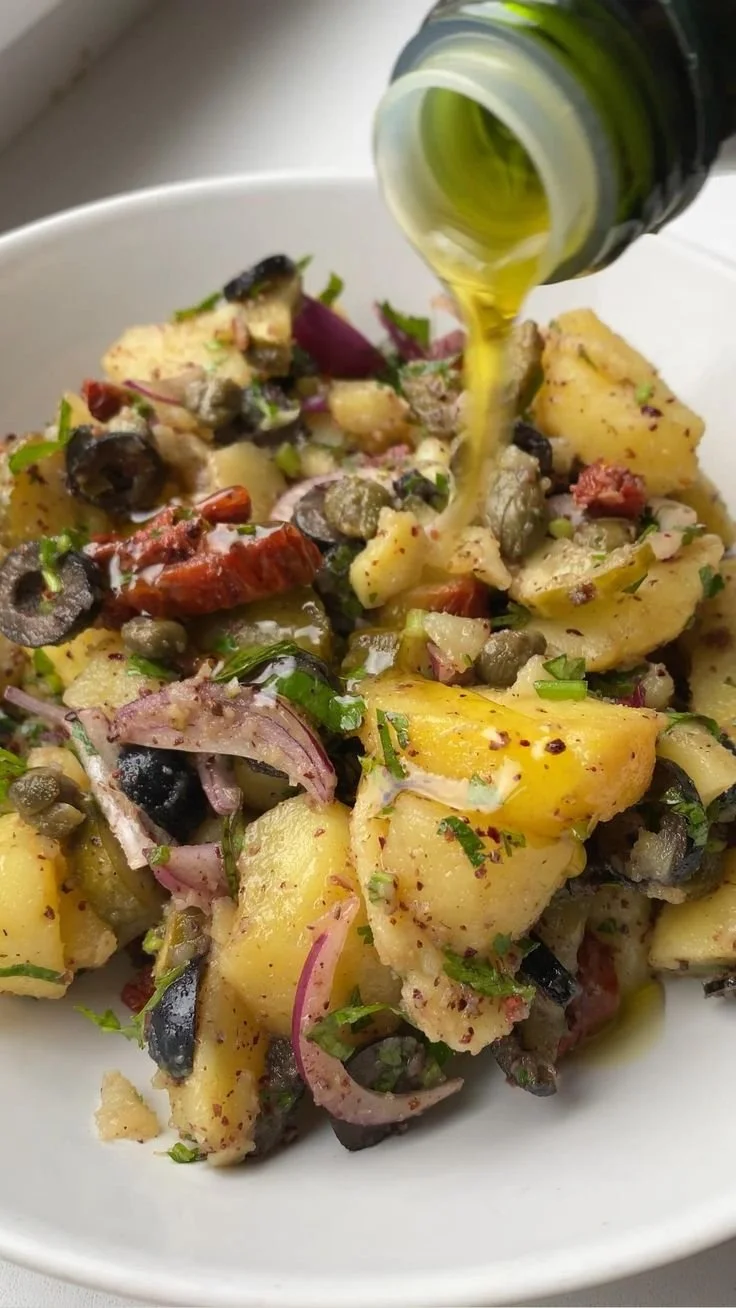
A bright, tang-forward potato salad that highlights citrusy, lemony spice instead of heavy mayonnaise can elevate picnics and weeknight sides alike. This overview explains why a potato salad with sumac stands apart: the spice brings red-fruit acidity, aromatic floral notes, and a color blush that keeps the dish fresh-tasting without excess fat. If you want protein-packed meal ideas that pair well with lighter dressings, explore these high-protein salad ideas for inspiration and meal planning.
H2: What makes this preparation special
A potato-and-sumac salad swaps traditional heavy binders for an oil-and-acid emulsion, letting the sumac do heavy lifting as the primary seasoning. Unlike salt-and-pepper-only builds, ground sumac gives a tart, almost vinegary lift that complements boiled potatoes without overpowering them. The result is a bright, Mediterranean-influenced side that remains cooling on hot days and pairs naturally with grilled proteins.
This approach emphasizes texture contrast: waxy potatoes to hold shape, thin red onion or scallion for bite, crunchy celery or cucumber, and optional herbs for freshness. The interplay of oil, lemon, and sumac produces a glossy coating that penetrates slivers and cubes, making every forkful balanced and flavorful.
H2: Ingredients (with notes)
- 2 pounds waxy potatoes (Yukon Gold or red potatoes recommended) — hold shape and soak up dressing.
- 1/3 cup extra-virgin olive oil — use good quality for aroma.
- 2 tablespoons freshly squeezed lemon juice — brightens the sumac.
- 2 teaspoons ground sumac — start here and adjust to taste.
- 1/4 cup finely chopped red onion or 3 scallions — rinse chopped red onion if you want milder bite.
- 1/2 cup chopped celery or Persian cucumber — adds crunch and moisture.
- 1/4 cup chopped fresh parsley or dill — parsley offers herbaceous lift; dill gives coolness.
- 1–2 teaspoons Dijon mustard — helps emulsify the dressing and adds subtle tang.
- 1/2 teaspoon coarse salt plus more to taste; fresh-ground black pepper.
- Optional: 2 hard-boiled eggs, quartered; 1/4 cup crumbled feta or labneh dollops for creaminess; a pinch of smoked paprika for depth.
Notes:
- Waxy potatoes retain texture after cooking; avoid russets unless mashed texture is acceptable.
- Ground sumac should be fresh—older jars lose brightness. If unavailable, substitute with a mix of lemon zest and a touch of vinegar, but flavor will differ.
- Dairy like feta or yogurt can be added sparingly if you prefer creamier mouthfeel while keeping sumac front-and-center.
H2: Equipment needed
- Large pot for boiling potatoes with lid.
- Medium bowl for dressing and tossing.
- Fine-mesh strainer or colander.
- Sharp knife and cutting board.
- Slotted spoon or skimmer for transferring potatoes.
- Measuring spoons and cups.
- Optional: immersion blender or jar with tight lid for emulsifying dressing.
H2: Step-by-step instructions
- Prep and salt the water: Fill a pot with cold water enough to cover the potatoes by an inch. Add 1 tablespoon kosher salt; this seasons potatoes from the inside as they cook.
- Cook potatoes whole or halved: For even cooking, leave small potatoes whole; halve larger ones so pieces are 1–1.5 inches. Bring to a boil, then simmer until a knife slides in with slight resistance (10–15 minutes, depending on size).
- Cool and chop: Drain and let potatoes steam-dry for 5 minutes to remove surface moisture. While warm, cut into bite-sized pieces so they absorb more dressing.
- Make the dressing: In a medium bowl whisk olive oil, lemon juice, mustard, 1/2 teaspoon salt, pepper, and ground sumac until slightly emulsified. Taste and adjust acidity or sumac level.

- Combine while warm: Toss warm chopped potatoes with dressing so they absorb flavor. Add chopped onion/scallion, celery or cucumber, and most of the herbs; reserve a small amount for garnish.
- Adjust texture and seasoning: If mixture seems dry, add a tablespoon of olive oil or a splash of lemon juice. Check salt once potatoes have absorbed dressing and correct seasoning.
- Chill or serve at room temperature: For best flavor meld, let sit 20–30 minutes at room temperature or refrigerate for up to two hours. Before serving, toss again and garnish with reserved herbs and optional feta or eggs.
H2: Pro tips for peak flavor and texture
- Cook potatoes evenly by starting in cold water and avoiding over-boiling; overcooked potatoes turn mushy and won’t hold dressing.
- Use warm potatoes when combining with dressing; warm starches absorb flavors better than chilled.
- Toast whole sumac briefly in a dry pan for 15–20 seconds to awaken aroma, but keep it from burning.
- Balance acidity: sumac adds tartness, so reduce lemon juice if using extra sumac or add a touch of honey if the dressing feels too sharp.
- Layer flavors: gently fold in delicate herbs last to preserve their brightness and color.
- Salt in stages: add a baseline during boiling, then finish seasoning after the salad has rested.
H2: Storage and make-ahead
- Refrigeration: Store in an airtight container for up to 3–4 days. Potatoes can dry out; add a tablespoon of olive oil and a squeeze of lemon when reheating or serving cold to refresh.
- Make-ahead strategy: Prepare potatoes and dressing separately, refrigerate, and toss within a few hours of serving to maintain texture. If assembling fully, allow salad to rest at room temperature for 20–30 minutes before chilling—this helps flavors integrate.
- Freezing is not recommended because potatoes change texture when frozen and thawed.
H2: Pairings and serving suggestions
This tangy potato side complements grilled chicken, roasted fish, and vegetable mains. It also works as part of a mezze spread alongside olives, roasted peppers, and flatbreads. If you’re building a summer picnic menu, add a charred corn salad or a herb-forward green to balance textures; for a complementary creamy-corn contrast, consider experimenting with Mexican street corn salad secrets and pairing techniques.
Serving ideas:
- Spoon over a bed of arugula for peppery contrast.
- Top warm potatoes with a dollop of yogurt or labneh for a cool, tangy finish.
- Use as a skillet hash base with crumbled sausage or diced smoked tofu for a robust brunch option.
H2: Variations and dietary swaps
- Vegan: Keep oil-based dressing, omit eggs and cheese. Add roasted chickpeas for protein.
- Mediterranean: Add chopped kalamata olives, roasted red peppers, and crumbled feta.
- Herby lemon-forward: Increase parsley and dill, double lemon zest, and reduce sumac by half for a more citrus-heavy profile.
- Smoky: Add smoked paprika or a small amount of chipotle powder for barbecue-style depth.
- Grain boost: Mix in cooked farro or barley for a more substantial salad that works as a main.
H2: Common mistakes and how to avoid them
- Mistake: Overcooking potatoes until mushy. Fix: Test with a knife and remove when fork-tender but not falling apart; cool briefly before chopping.
- Mistake: Adding too much acidic ingredient at once. Fix: Build acidity gradually and taste after each addition.
- Mistake: Using old sumac with flat flavor. Fix: Buy small jars and store in a cool, dark place; toast briefly if a brightness boost is needed.
- Mistake: Mixing when potatoes are cold. Fix: Toss warm to maximize absorption of the dressing, then chill if desired.
- Mistake: Heavy-handed mayo or yogurt that masks sumac. Fix: Favor oil-based dressings and use dairy sparingly if you want sumac front and center.
H2: Frequently asked questions
Q: Can I use russet potatoes?
A: Russets become mealy when boiled and are better for mashed preparations. Choose waxy varieties for chunks that hold shape.
Q: How much sumac is too much?
A: Start with a teaspoon per pound of potatoes and adjust. Excess sumac can make the salad overly tart; balance with oil or a touch of honey if necessary.
Q: Is sumac spicy?
A: No—sumac is tart and citrusy rather than hot. It adds acidity and a berry-like tang rather than heat.
Q: Can I serve this warm?
A: Yes. The salad shines when served warm shortly after tossing, which helps the dressing penetrate. It also tastes good chilled.
Q: What’s the best way to re-season leftovers?
A: Add a splash of olive oil and a squeeze of lemon; taste for salt and adjust. A handful of fresh herbs brightens day-old salad.
Q: Can I make this nut-free and gluten-free?
A: Absolutely—this preparation uses naturally gluten-free ingredients and is nut-free by default unless you add optional garnishes that contain nuts.
H2: Final notes on preparation and timing
Plan about 45 minutes from start to finish if making from scratch: 20–25 minutes for cooking and cooling potatoes, 10 minutes to mix and season, plus resting time if preferred. The salad holds up well for gatherings because the flavors improve slightly as it sits; just avoid over-chilling and refresh seasonings before serving.