Delicious Mexican Sweet Treat
Delicious Mexican Sweet Treat
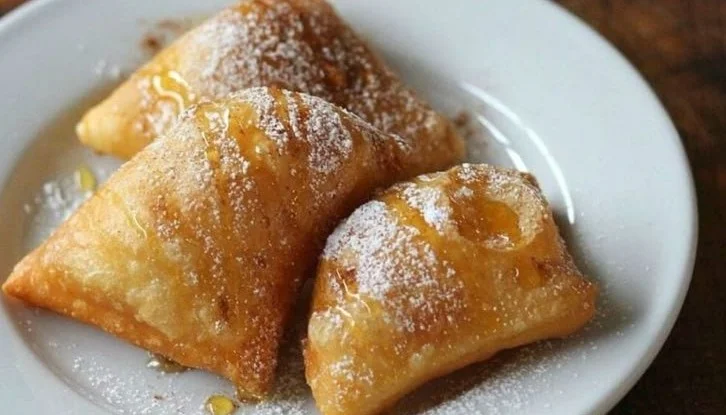
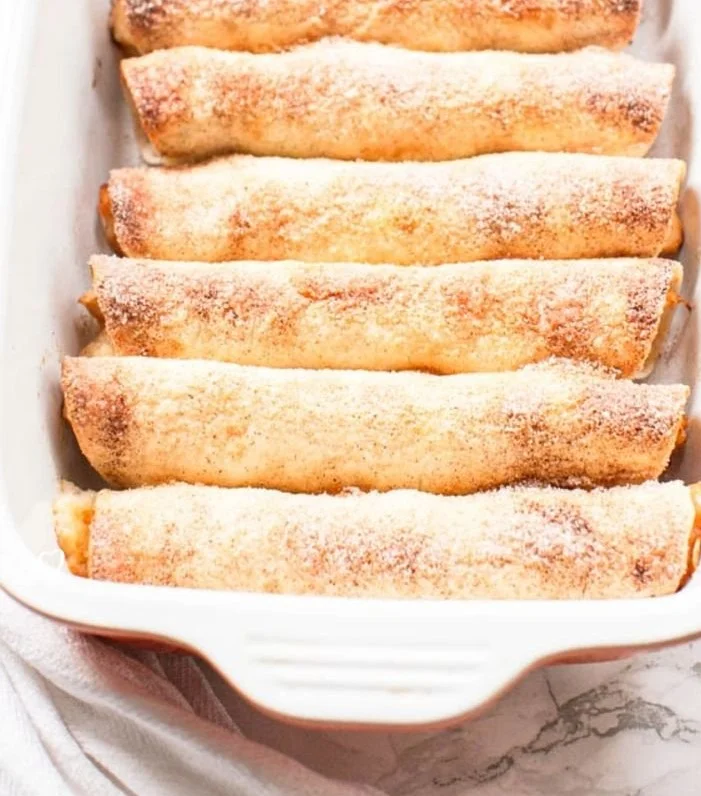
Crisp, warm strands of fried dough rolled in cinnamon sugar and paired with a silky caramel sauce capture exactly why this iconic Mexican dessert keeps showing up at celebrations and street stands alike; for other festive sweet ideas to serve alongside it, check out these Valentine’s Day treats for two. 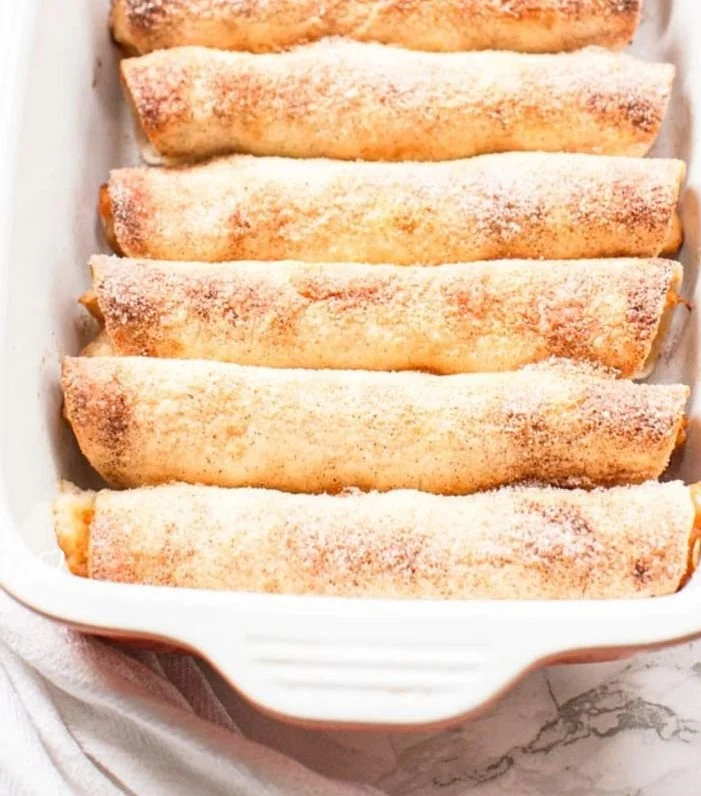
What makes this version stand out
This recipe balances airy interior and crunchy shell by using a simple pâte à choux base instead of basic flour-and-water dough. The result is a lighter bite that still holds up to frying and coating, while a homemade cajeta (goat milk caramel) or chocolate dip adds authentic regional flavor. Emphasis here is on technique—temperature control, piping consistency, and sugar finish—because tiny adjustments yield a markedly better final product.
Ingredients with notes
- 1 cup whole milk — fat improves texture and browning.
- 4 tablespoons (1/4 cup) unsalted butter.
- 2 tablespoons granulated sugar — small amount in dough for color.
- 1/4 teaspoon fine salt.
- 1 cup all-purpose flour, spooned and leveled.
- 3 large eggs, room temperature — they emulsify and aerate the dough.
- 1 teaspoon vanilla extract or 1/2 teaspoon ground cinnamon in dough (optional).
- Vegetable oil for frying, about 2–3 inches deep in a heavy pot.
- 1 cup granulated sugar + 2 teaspoons ground cinnamon, mixed for coating.
Cajeta (caramel) dip:
- 1 cup sweetened condensed milk
- 1/4 cup brown sugar
- 2 tablespoons butter
- Pinch of salt
- 1/4 teaspoon baking soda (optional—stabilizes and lightens)
Notes:
- Using room-temperature eggs helps the dough incorporate evenly and reach the right piping consistency.
- Whole milk improves crispness and flavor; nonfat milk produces a drier crumb.
- The sugar-cinnamon coating ratio is adjustable to taste; start conservative and adjust after your first batch.
Equipment needed
- Heavy-bottomed pot or Dutch oven (for even heat).
- Candy thermometer (recommended) or an infrared thermometer.
- Large pastry bag fitted with a large star tip (1/2–3/4 inch) or a sturdy zip-top bag with a corner snipped.
- Slotted spoon or spider skimmer.
- Baking sheet lined with paper towels for draining.
- Medium saucepan for caramel dip.
Step-by-step instructions
- Prepare the dough (pâte à choux method): In a medium saucepan, combine milk, butter, sugar, and salt. Bring to a simmer over medium heat until butter melts and the mixture is just bubbling at the edges.
- Add the flour all at once, reduce heat to low, and stir vigorously with a wooden spoon until the dough pulls away from the pan and forms a smooth ball, about 2 minutes. Continue cooking for 30 seconds to remove surface moisture.
- Transfer the dough to a mixing bowl and let cool 3–4 minutes. Beat in eggs one at a time, fully incorporating each before adding the next. Add vanilla if using. The dough should be glossy and pipeable—thick but soft enough to flow.
- Heat oil to 350°F (175°C). Maintain this temperature for steady frying; too-hot oil will over-brown the exterior before the interior cooks, too cool will make greasy churros.
- Fill the pastry bag and pipe 4–6 inch strips directly into the oil, cutting dough with scissors. Fry in small batches to avoid temperature drops, about 2–3 minutes per side until golden brown.
- Drain briefly on paper towels, then toss in the cinnamon-sugar mixture while still warm so coating clings.
- Make the cajeta: In a saucepan, whisk condensed milk, brown sugar, butter, and salt over low heat until smooth and slightly thickened, about 8–10 minutes. Stir constantly to prevent scorching. If using baking soda, whisk it in at the end; it will foam and lighten the caramel. Cool slightly before serving warm with fried dough.
Pro tips for perfect texture
- Keep oil temperature steady: Use a candy thermometer. Bring oil back to 350°F between batches.
- Test one first: Fry a single strip to check cook time and color before committing to full batches.
- Pipe directly into oil or onto parchment: If you pipe onto parchment, gently lower the strip into oil; the paper will peel off within seconds.
- Use a large star tip: The ridges increase surface area for caramelization and sugar cling, giving the characteristic texture.
- Drain minimally: Excess oil prevents the sugar coating from adhering properly.
Storage and reheating
- Short-term: Store cooled pieces at room temperature in a loosely covered container for up to 24 hours; they are best fresh. Avoid airtight containers that trap steam and soften the exterior.
- Make-ahead components: Cajeta keeps refrigerated up to 2 weeks; warm gently before serving. Dough can be piped onto a baking sheet, frozen until solid, then transferred to a bag and fried directly from frozen—add 30–60 seconds to frying time.
- Reheating: To refresh crispness, reheat in a 375°F oven for 4–6 minutes rather than microwaving. Microwaves make them chewy.
Pairings and serving suggestions
Serve warm with a trio of dips for variety: classic cajeta, bittersweet chocolate ganache, and a citrus crema (sour cream or Mexican crema mixed with a little lime zest and sugar). For a brunch or party spread, include seasonal fresh fruit and coffee or Mexican hot chocolate for contrast. If you’re planning a full Mexican-themed menu, complement with savory slow-cooker mains—try pairing with these crockpot Mexican recipes for easy main courses so the sweet finish arrives at peak warmth.
Variations and regional twists
- Stuffed version: Pipe slightly shorter strips and, after cooling, fill with dulce de leche or pastry cream using a small round tip.
- Baked option: Toss piped strips with oil spray and bake at 425°F for 12–15 minutes, flipping once; texture will be lighter and less greasy.
- Spiced coat: Add a pinch of nutmeg or ground ancho chile to the cinnamon-sugar mix for depth and a hint of heat.
- Mini bites: Pipe small balls or a spiral for bite-sized pieces—perfect for parties and easier to serve as finger food.
Common mistakes and how to fix them
- Dough too runny after adding eggs: You either added eggs too quickly or the dough was too hot when incorporating. Fix by chilling the bowl briefly and adding one egg at a time, beating well. If still loose, add a tablespoon of flour to thicken.
- Greasy final product: Oil temperature was too low or pieces were crowded. Increase heat back to 350°F and fry in smaller batches.
- Under-cooked interior: Oil too hot browning outside too fast. Reduce heat slightly and lower strips gently, giving them full cooking time.
- Sugar not sticking: Churros cooled too long before tossing in sugar. Work quickly while they’re warm and slightly tacky.
Frequently asked questions
Q: Can I make these gluten-free?
A: Traditional recipe relies on wheat flour for structure. For a gluten-free attempt, use a 1:1 baking flour blend with xanthan gum and expect slightly different texture; cook temperature and egg ratios may require adjustment.
Q: Is cajeta the same as dulce de leche?
A: They are similar milk caramels; cajeta is traditionally made from goat’s milk and has a tangier edge, while dulce de leche typically uses cow’s milk. Either works as a dipping sauce depending on your flavor preference.
Q: Can I skip frying for a healthier option?
A: Yes—baking produces a lower-fat alternative. Coat lightly with oil and bake until golden; the exterior won’t be as crisp but will still taste excellent with warm sauce.
Q: How do I scale the recipe?
A: The dough ratios scale linearly, but make larger batches in multiple smaller pans to avoid oil temperature loss. For high-volume serving at events, pipeline frozen strips and fry to order to maintain crispness.
Q: What’s the best way to serve at a party?
A: Fry in batches and keep finished pieces in a warm oven (200–225°F) on a rack to avoid sogginess. Offer dips in small warmed ramekins and provide tongs or picks for easy handling.
Every step above is focused on delivering a reliably crisp, warmly spiced fried dough with a rich caramel accompaniment—an elevated take on a traditional Mexican dessert designed for home cooks seeking both authenticity and repeatable technique.