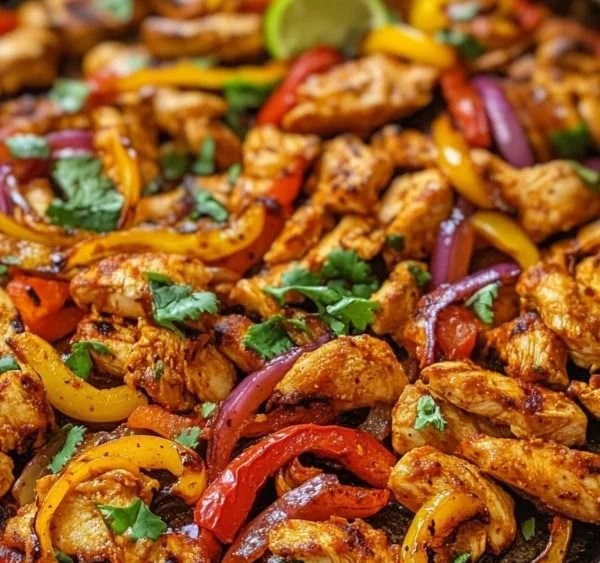
Sheet Pan Chicken Fajitas
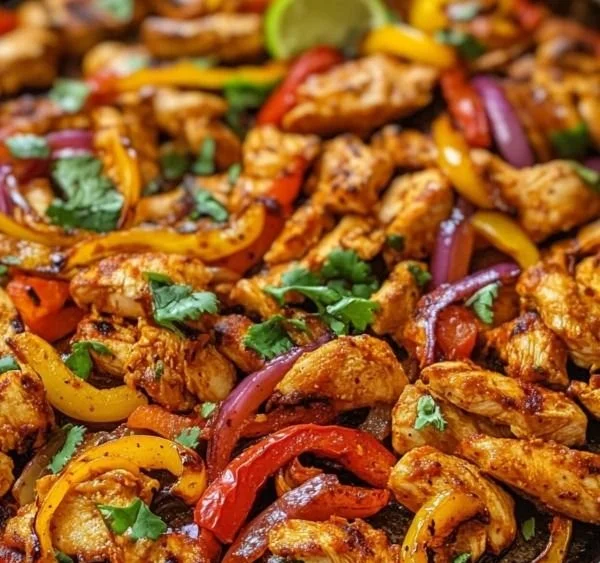
A fast, low-fuss dinner that delivers bold Tex‑Mex flavor with minimal cleanup, this oven-roasted chicken and pepper fajita method streamlines meal prep without sacrificing texture or taste. Everything bakes together on a single sheet for an easy weeknight solution, and it scales up effortlessly for feeding a crowd. If you enjoy hands-off one‑pan dinners, you might also like 10 easy one-pan gnocchi recipes for other simple weeknight ideas.

Why cooking everything on one tray gives better results
Roasting protein and vegetables together concentrates flavors: hot air caramelizes the peppers and onions while the chicken browns at the edges, producing natural fond and slightly charred bites that mimic a skillet sear. Keeping ingredients spread in a single layer ensures even heat exposure so nothing steams and becomes soggy. The convenience of a single tray also reduces active time — most of the work is seasoning and a brief toss before the oven finishes the job.
Key ingredients with smart notes
- Boneless, skinless chicken breasts or thighs — thighs stay juicier under high heat; breasts cook faster and are leaner.
- Bell peppers (mixed colors) — slice uniformly to ensure even cooking.
- Yellow or sweet onion — wedges hold shape and caramelize nicely.
- Olive oil and a simple spice blend — oil helps the rub adhere and promotes browning.
- Acid (lime juice or vinegar) — brightens the finished dish when added after roasting.
- Optional toppings: sliced avocado, cilantro, chopped scallions, sour cream or Greek yogurt, shredded cheese, and warm tortillas.
Ingredient notes:
- Pound thicker chicken breasts to even thickness for consistent doneness.
- Use high-quality smoked paprika for deeper flavor; replace with ancho chili powder if you want a smokier, less sweet profile.
- Add sliced jalapeño for heat, or omit for milder taste.
Equipment that makes the process easier
- Standard rimmed baking sheet (half-sheet 18×13 inches) — large enough for a single layer of ingredients.
- Wire rack (optional) — lifts chicken for extra airflow and crisper edges.
- Sharp chef’s knife and cutting board — uniform cuts reduce variability in cooking time.
- Tongs or a large spatula for tossing.
- Instant-read thermometer to verify doneness (recommend 165°F for chicken).
Using a rimmed sheet (not a rimless baking tray) keeps juices contained and oven-cleaning easier. Lining with aluminum foil or parchment cuts cleanup further but can slightly reduce browning; if maximum char is desired, skip the liner.
Step-by-step oven method
- Preheat oven to 425°F and position a rack in the upper-middle third of the oven for better browning.
- Pat chicken dry, slice into 1/2- to 1-inch strips (or bite-sized pieces). Place in a large bowl.
- Add sliced peppers and onions to the bowl. Drizzle with 2–3 tablespoons olive oil and toss with the spice blend (2 tsp chili powder, 1 tsp smoked paprika, 1 tsp ground cumin, 1/2 tsp garlic powder, 1/2 tsp onion powder, 1 tsp kosher salt, 1/4 tsp black pepper).
- Spread the chicken and vegetables evenly on the baking sheet in a single layer. Avoid overcrowding; use two trays if necessary.
- Roast for 12–18 minutes, tossing once at the halfway mark to expose surfaces. Cooking time varies by chicken cut and thickness: thighs may need closer to 18 minutes, thin strips closer to 12.
- Test the thickest piece with an instant-read thermometer; target 165°F. Remove from oven, squeeze fresh lime over everything, and let rest 3–5 minutes before serving.
This method keeps active time under 15 minutes while the oven does the heavy lifting.
Timing and temperature troubleshooting
- Undercooked chicken but charred vegetables: reduce pan temperature to 400°F and increase cook time slightly, or slice the chicken thinner.
- Overbrowned tops, raw middles: ensure pieces are uniform and don’t overlap; lower oven rack and continue cooking a bit more.
- Soggy vegetables: high heat and single-layer spacing are crucial — a hot oven evaporates excess moisture quickly.
Use the instant-read thermometer as your primary guide; visual cues help but temperature prevents overcooking.
Pro tips for maximum flavor and texture
- Dry-brine chicken briefly: toss cooked pieces with salt 15–30 minutes before roasting to improve moisture retention and seasoning.
- Add a light coating of oil directly to chicken pieces to aid in crust formation.
- Finish under the broiler for 1–2 minutes if you want extra char; watch closely to avoid burning.
- Reserve a small amount of the spice blend to sprinkle on tortillas or finishing toppings for a cohesive flavor profile.
- For a touch of sweetness and deeper caramelization, add a teaspoon of light brown sugar to the rub if using bell peppers only.
Small technique changes yield big improvements in juiciness and crust without adding complexity.
Storage, reheating, and make-ahead strategies
- Refrigerate cooled leftovers in an airtight container for up to 4 days.
- Freeze individual portions in freezer-safe containers for up to 3 months; thaw overnight in the fridge.
- Reheat gently to preserve texture: warm in a 350°F oven on a sheet pan for 8–12 minutes, or reheat single servings in a skillet over medium heat with a splash of water to loosen juices. Avoid microwaving for long periods to prevent rubbery chicken and limp peppers.
Make-ahead option: fully roast and chill; reheat in the oven and add fresh toppings for immediate serve.
Flavor variations and dietary swaps
- Low-carb/Keto: serve over cauliflower rice or wrapped in large lettuce leaves with avocado and shredded cheese.
- Whole30/Paleo: omit dairy toppings and use compliant oil and spices; serve with lime and fresh cilantro.
- Vegetarian swap: replace chicken with extra-firm tofu or seasoned portobello strips; press tofu to remove moisture and roast at 425°F until edges are browned.
- Smoky chipotle: add 1–2 tsp chipotle powder or a tablespoon of adobo sauce to the oil for a deeper, spicy profile.
- Citrus-herb twist: finish with orange and lime zest plus chopped parsley for a brighter, fresher plate.
Adjust cook times when substituting proteins: tofu needs less time; denser mushrooms may require a few extra minutes.
Common mistakes and how to avoid them
- Overcrowding the pan: causes steaming instead of roasting; use two pans if necessary.
- Uneven slices: inconsistent thickness leads to mixed doneness; cut uniformly.
- Skipping the toss: flipping mid-roast exposes surfaces to direct heat and prevents stewing.
- Adding salt only at the end: seasoning early helps build depth; however, finish with acid (lime) to brighten flavors.
- Relying on appearance alone for doneness: always check internal temperature for food safety and best texture.
Addressing these pitfalls keeps every bite balanced — crisp edges, tender centers, and vibrant seasoning.
Serving suggestions and complementary sides
- Warm small flour or corn tortillas, then let guests build their own with roasted meat and veggies, avocado, cilantro, and a squeeze of lime.
- For a lighter plate, serve over mixed greens or a simple cabbage slaw dressed with lime and olive oil.
- Pair with rice and beans for a heartier meal; cilantro-lime rice and black beans complement the spices well.
- To save time on side dishes, try quick roasted potatoes tossed in the same spice blend and roasted alongside the main tray.
- For a different take, swap some chicken for cooked sausage and vegetables done in the air fryer and combine elements for a surf-and-turf twist — see this quick guide to 10-min air fryer chicken sausage & veggies for ideas on fast, complementary sides.
Keeping sides simple maintains the speed advantage of this cooking method while letting the main flavors shine.
Frequently asked questions
Q: Can I use frozen peppers or onions?
A: Thawed frozen vegetables release more moisture and can steam rather than roast; use fresh for best caramelization.
Q: Is there a lower-temperature option?
A: Roasting at 400°F will still work but expect slightly longer cook times and reduced browning; monitor temperature closely.
Q: Can I prepare everything the night before?
A: Yes — slice and combine with seasoning, keep covered in the fridge, then spread on the sheet and roast when ready. Add fresh lime and toppings just before serving.
Q: How do I keep tortillas from getting soggy?
A: Warm tortillas briefly and keep wrapped in a towel until serving; add sauces sparingly and serve immediately.
Q: What’s the best cut of chicken for reheating?
A: Thighs retain moisture better during reheating; use breasts if you prefer leaner meat but reheat carefully to avoid drying.