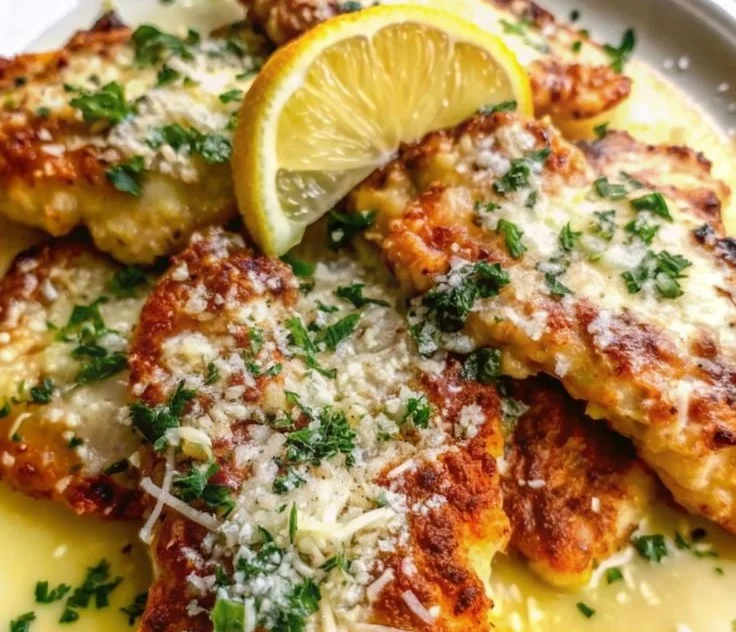
Homemade Lemon Chicken Romano Recipe
This bright, savory chicken uses fresh lemon and sharp Romano cheese to create a crunchy, golden crust with a tangy finish—an easy weeknight meal that also sings for guests. The technique focuses on thin cutlets, a quick pan-fry, and a simple pan sauce that ties every bite together; for a richer, soup-forward dinner to precede it, consider a light, creamy starter such as a creamy chicken enchilada soup to complement the citrus notes.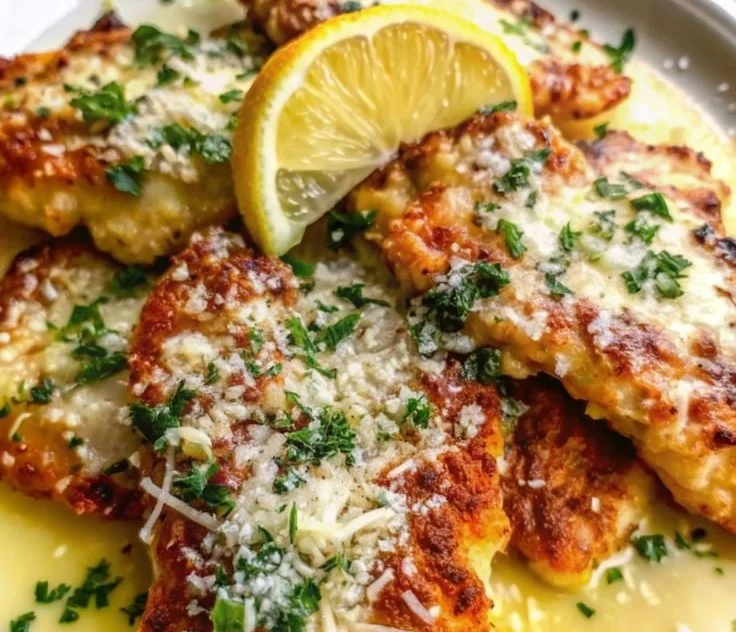
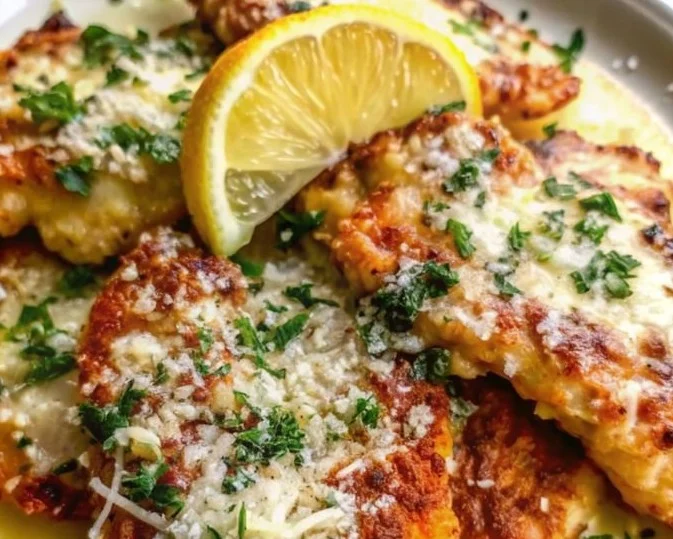
What makes the lemon-and-Romano approach different
This version balances three elements: acid, umami, and texture. Lemon brightens and cuts the richness; Romano contributes a salty, nutty backbone stronger than Parmesan; and a thin breadcrumb-Romano crust crisps quickly without overpowering the chicken. The result is a dish that tastes layered despite a short cook time.
- Uses thin-cut breasts or pounded cutlets to ensure even cooking.
- Light pan sauce is built from the fond, lemon juice, and a splash of stock or wine—no heavy cream needed.
- Romano in both the crust and the finishing butter ties the flavors together.
Ingredients with notes and quantities
Amounts below serve 4. Read the notes; a few ingredient swaps change texture and flavor appreciably.
- 4 boneless, skinless chicken breasts (about 1 1/2 to 2 pounds), halved horizontally or pounded to 1/2 inch
- 1 cup fine dry breadcrumbs or panko for extra crunch
- 3/4 cup finely grated Pecorino Romano (divided; use finer grate for better adhesion)
- 1 tsp lemon zest (from 1 large lemon)
- 1 tsp kosher salt, plus more to taste
- 1/2 tsp freshly ground black pepper
- 2 large eggs
- 2 tbsp milk or water (for egg wash)
- 3 tbsp olive oil (or a mix of oil and butter for browning)
- 3 tbsp unsalted butter
- 1/3 cup dry white wine or low-sodium chicken stock (substitute stock to avoid alcohol)
- Juice of 1–2 lemons (about 3 tbsp, adjust to taste)
- 2 tbsp chopped fresh parsley for garnish
Ingredient notes:
- Chicken thickness: thinner pieces cook fast and remain tender; thicker breasts will take longer and risk drying.
- Breadcrumbs: fine breadcrumbs produce a uniform crust; panko gives extra crunch but can slide if not pressed firmly.
- Romano vs. Parmesan: Romano is saltier and bolder; reduce added salt if using high-Romano ratios.
Equipment needed
You don’t need specialized gear, but a few items make the process foolproof.
- Heavy skillet (10–12 inch) — stainless or nonstick; cast iron works well for browning.
- Meat mallet or rolling pin for pounding cutlets.
- Shallow bowls or dishes for dredging stations.
- Tongs and an instant-read thermometer (optional but helpful).
- Microplane or fine grater for zesting and cheese.
Step-by-step instructions
Follow these steps in order for predictable results. Read through completely before starting.
Prep the chicken:
- Slice each breast horizontally or place between plastic wrap and pound to 1/2 inch. Even thickness ensures even cooking.
- Pat pieces dry with paper towels; moisture prevents a crisp crust.
Make dredging stations:
- Station 1: whisk eggs with milk or water and a pinch of salt.
- Station 2: mix breadcrumbs, 1/2 cup Romano, lemon zest, 1 tsp salt, and 1/2 tsp pepper.
Dredge and press:
- Season chicken lightly with salt and pepper.
- Dip each piece in egg, then press into breadcrumb mixture so the coating adheres evenly. Press firmly so the crumbs bind to the egg.
Brown the cutlets:
- Heat skillet over medium-high and add oil. Once shimmering, add chicken (do not overcrowd—cook in batches if needed).
- Cook 2–3 minutes per side until golden brown and internal temp reads 160–165°F. Transfer to a plate and tent loosely with foil to rest. Residual heat will finish cook.
Build the lemon-Romano pan sauce:
- Lower heat to medium. Add butter to the pan and scrape up browned bits.
- Deglaze with wine or stock, simmering 1–2 minutes to reduce slightly.
- Stir in lemon juice and remaining 1/4 cup Romano until melted and emulsified into the sauce. Taste and adjust acidity/salt.
- Return chicken to pan to coat in sauce for 30 seconds.
Finish and serve:
- Plate chicken and spoon sauce over each piece. Sprinkle chopped parsley and extra Romano for presentation.
Timing: from prep to plate expect 25–35 minutes if cutlets are prepped.
Pro tips for maximum flavor and crispness
- Dry the chicken thoroughly before breading; water is the enemy of crunch.
- Warm the pan well before adding oil; a cold pan soaks oil into crumbs.
- Maintain medium-high heat for quick crust set; if browning too fast, lower heat slightly.
- Press the crumbs onto the chicken with your palm; a loose coating will fall off.
- If using panko, blitz it briefly in a food processor for a finer texture that adheres better.
- Finish with a brief return to the pan so the crust reabsorbs a touch of sauce—this prevents a soggy underside.
Storage and reheating instructions
Store leftovers properly to maintain texture and safety.
- Refrigerate: place cooled chicken in an airtight container for up to 3 days. Keep sauce separate if possible.
- Freeze: wrap individually and freeze up to 2 months. Thaw overnight in the fridge before reheating.
- Reheating: oven method is best—preheat to 375°F, place on a wire rack over a baking sheet, and reheat 10–12 minutes until warmed through. Reheat sauce gently on low stovetop and spoon over chicken just before serving.
- Avoid microwaving breaded chicken if you want to keep crust crisp; microwave will make it soggy.
Pairings and serving suggestions
Balance and contrast make a full meal. Serve with starches and vegetables that absorb the bright sauce.
- Simple sides: roasted baby potatoes, buttered orzo, or lemon–parsley couscous.
- Vegetables: sautéed green beans, blistered asparagus, or a light arugula salad with olive oil and lemon.
- Wine: a crisp Sauvignon Blanc or unoaked Chardonnay partners well with lemon and salty cheese.
- For a lighter multi-course menu, start with a warm soup—if you enjoy citrus chicken, a tang-forward starter like Greek-style lemon chicken soup complements the flavors beautifully.
Variations and substitutions
Adapt the method to dietary preferences or pantry limitations.
- Gluten-free: swap breadcrumbs for crushed gluten-free crackers or almond meal; reduce cooking heat slightly to prevent burning the almond crust.
- Dairy-free: omit butter and Romano from crust; use nutritional yeast for umami and finish with a drizzle of extra-virgin olive oil and lemon.
- Chicken thighs: boneless thighs can be used for more forgiving cooking and deeper flavor; adjust cook time to 3–4 minutes per side depending on thickness.
- Lemon-garlic boost: add 1 minced garlic clove to the pan sauce, sauté briefly before deglazing.
- Herbed crust: stir 1 tsp dried oregano or thyme into the breadcrumb mix for a Mediterranean twist.
Common mistakes and how to avoid them
Knowing the typical pitfalls keeps dinner smooth.
- Overcrowding the pan: too many pieces lower the pan temperature and cause soggy crusts. Cook in batches if needed.
- Under-seasoning the crumbs: all the flavor comes from crust and sauce—salt the breadcrumb mix so each bite has seasoning.
- Skipping the rest: cutting into chicken immediately releases juices and can dry meat; let it rest 3–5 minutes.
- Burning the cheese: Romano in the crust can brown quickly; keep an eye on heat and reduce if smoking or burning occurs.
- Adding too much lemon: citrus brightens but can dominate. Add lemon juice gradually and taste.
Frequently asked questions
Q: Can I bake instead of pan-frying?
A: Yes—brush cutlets with oil and bake at 425°F on a wire rack for 10–12 minutes, flipping once, then finish under the broiler for 1–2 minutes to crisp. Add sauce after baking.
Q: How do I keep the crust from falling off?
A: Ensure chicken is dry, press crumbs firmly into the egg-coated surface, and avoid flipping too early. A thin, even egg wash helps bind the crumbs.
Q: Is Romano interchangeable with Parmesan?
A: Parmesan is milder and less salty; you can substitute but reduce added salt and expect a subtler flavor profile.
Q: Can I use bottled lemon juice?
A: Fresh lemon juice is recommended for brightness and aroma; bottled juice lacks the same freshness but will work in a pinch.
Q: How do I scale the recipe for a crowd?
A: Prep chicken and dredge stations assembly-line style; keep cooked pieces warm in a low oven (200–225°F) on a wire rack while finishing remaining batches.
This method delivers a crisp, tangy, and savory main that is quick enough for weeknights yet polished enough for guests. Follow the steps and pro tips to keep the crust crunchy, the chicken juicy, and the lemon-Romano flavor balanced.