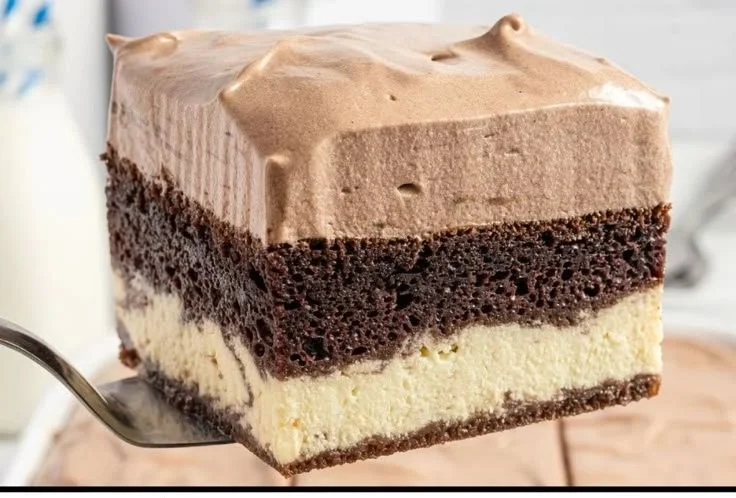
Italian Love Cake
Why this classic Italian-style dessert stands out
This layered dessert combines tender crumb, bright citrus, and a rich mascarpone filling for an impressive yet approachable centerpiece. It’s built around simple pantry ingredients—eggs, sugar, butter, flour, citrus zest and cream—assembled to produce contrasting textures: moist cake layers, silky filling, and a slight crunch from optional toasted nuts. If you enjoy bringing authentic Italian flavors into home baking, you may also appreciate this 130-year-old authentic Italian spaghetti sauce recipe.
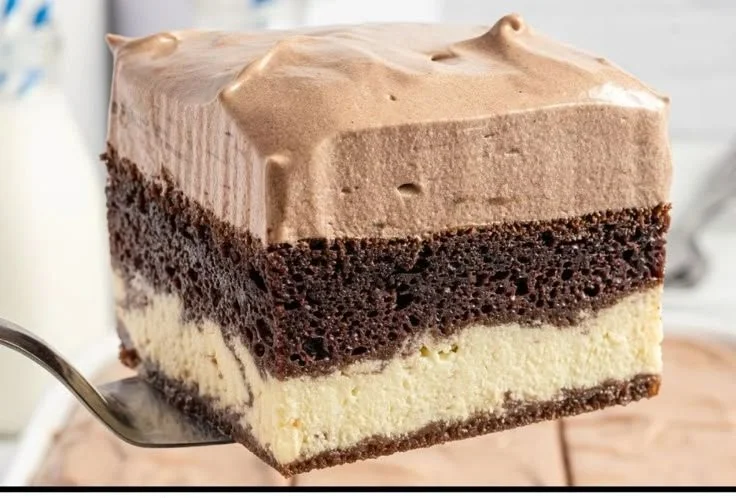
Ingredients with practical notes
- 2 1/2 cups (300 g) all-purpose flour — spoon and level for accuracy.
- 2 tsp baking powder, sifted — ensures an even rise.
- 1/2 tsp fine salt.
- 1 cup (226 g) unsalted butter at room temperature — for a tender crumb.
- 1 1/4 cups (250 g) granulated sugar — can replace up to 1/4 cup with brown sugar for depth.
- 4 large eggs, room temperature — critical for stability and volume.
- 1 tbsp vanilla extract.
- Zest of 2 lemons and 1 orange — citrus oils brighten the batter; avoid bitter pith.
- 1/2 cup (120 ml) whole milk, warmed slightly.
- 8 oz (225 g) mascarpone cheese, cold — base for the filling; don’t overwhip.
- 1 cup (240 ml) heavy cream, cold — provides structure to the filling.
- 1/2 cup powdered sugar for the filling, sifted.
- Optional: 1/2 cup toasted almonds or pistachios, chopped; 2 tbsp limoncello or Grand Marnier for flavor lift.
Notes:
- Use room-temperature eggs and butter for even emulsion and better rise.
- Mascarpone should be firm and chilled; very soft mascarpone will make the filling runny.
- For a gluten-free version, substitute a 1:1 cup-for-cup gluten-free flour blend and add 1/2 tsp xanthan gum if the blend lacks it.
Equipment needed
- Two 8-inch round cake pans, lined and sprayed.
- Electric mixer (stand or hand) for reliable creaming and whipped filling.
- Zester or microplane for bright citrus flavor.
- Large mixing bowls and a rubber spatula.
- Offset spatula for smooth filling layers.
- Wire rack for cooling.
- Optional: piping bag with a round tip for decorative filling application.
Step-by-step baking process
- Prep: Preheat the oven to 350°F (175°C). Line the pans with parchment and lightly butter them. Sift flour and baking powder into a bowl; set aside.
- Creaming: In the mixer bowl, beat butter and sugar until pale and fluffy (about 3–4 minutes). Scrape down the bowl. Add eggs one at a time, mixing until incorporated, then add vanilla and citrus zests.
- Combine dry and wet: With mixer on low, add one-third of the flour mix, then half the milk, then repeat, ending with the last third of flour. Mix just until combined—overmixing develops gluten and yields a tougher crumb.
- Bake: Divide batter evenly between pans. Smooth tops and tap pans gently on the counter to release air bubbles. Bake 22–28 minutes, or until a toothpick comes out with a few moist crumbs and the top springs back lightly. Rotate pans halfway through if your oven has hot spots.
- Cool: Let cakes cool in the pans 10 minutes, then invert onto a wire rack to cool completely before filling. Chilling the layers briefly makes slicing and filling neater.
- Filling: Whip chilled heavy cream until it holds medium peaks. In a separate bowl, beat mascarpone with powdered sugar until smooth—do not overbeat or it will split. Fold whipped cream into mascarpone gently until uniform. If using liqueur, fold it in now.
- Assembly: Level the cake tops if domed. Place the first layer on a serving plate, spread a generous even layer of mascarpone cream, sprinkle half the toasted nuts if using, add the second cake layer, and finish with cream. Smooth with an offset spatula or pipe rosettes for decoration. Chill at least 2 hours to set.
- Finish: Right before serving, zest a bit more citrus over the top and sprinkle remaining nuts.
Pro tips for consistent success
- Measure by weight when possible; baking is chemistry, and grams remove guesswork.
- Use a digital probe thermometer in the center of the cake if unsure — internal temperature around 205–210°F (96–99°C) indicates doneness for butter-based cakes.
- Keep mascarpone cold until the moment you beat it; warm cheese breaks down and yields a soupy filling.
- Stabilize the filling for longer display by folding in 1–2 teaspoons of gelatin (bloom in cold water, dissolve gently) or use a tablespoon of instant vanilla pudding powder for a non-gelatin option.
- Allow the assembled dessert to chill at least 2 hours; this improves sliceability and flavor melding.
- Toast nuts in a dry skillet until fragrant; cool completely before chopping to preserve crunch.
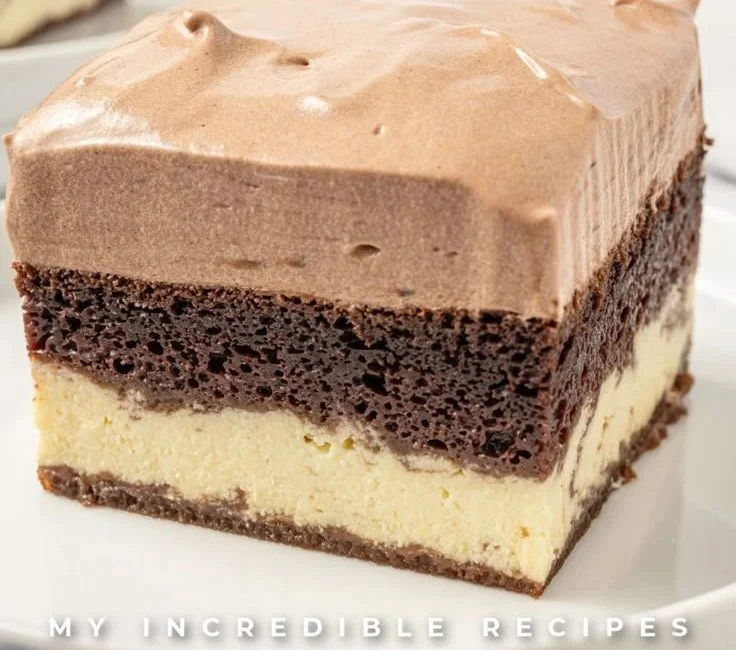
Storage, reheating, and serving suggestions
- Refrigeration: Store covered in the refrigerator for up to 4 days. Use an airtight cake keeper or loosely tent with plastic wrap to avoid condensation on the surface.
- Freezing: Freeze unfilled layers wrapped tightly in plastic and foil for up to 2 months. Thaw overnight in the refrigerator before filling. Assembled desserts with cream fillings do not freeze well.
- Serving: Remove from fridge 10–15 minutes before serving so flavors bloom but the filling remains firm. Serve with espresso, Vin Santo, or a light dessert wine. For a non-alcoholic option, serve with strong brewed coffee or a citrus-infused tea.
- Reheating (for leftovers): If you prefer a slightly warm slice, microwave a single portion for 8–12 seconds—be careful not to melt the filling.
Flavor variations and dietary swaps
- Limoncello citrus: Add 2 tablespoons limoncello to the filling and brush cake layers lightly with a limoncello syrup (2 tbsp limoncello + 2 tbsp sugar dissolved in 2 tbsp water).
- Chocolate ribbon: Fold 3/4 cup melted and cooled dark chocolate into half the mascarpone filling, layer alternately for a marbled effect.
- Nut-forward: Replace toasted nuts with a praline crumble between layers for crunch and caramel notes.
- Vegan adaptation: Use vegan butter, a flax or aquafaba-based egg replacer, coconut or oat milk, and a non-dairy cream stabilized with agar or a commercial vegan whipped topping. Expect a slightly different texture.
- Lower-sugar: Reduce granulated sugar by up to 25% in the cake and use a powdered sugar substitute in the filling; texture will be drier—don’t overbake.
Common mistakes and how to avoid them
- Dense cake: Often caused by cold ingredients, overmixing, or too much flour. Use room-temperature ingredients, mix just until combined, and measure flour accurately.
- Runny filling: Usually from overwhipping or warm mascarpone. Keep mascarpone and cream chilled and stop beating once the filling holds medium peaks.
- Soggy layers: Brushing too much syrup on the cake can saturate it. Use a light hand when applying syrups; allow layers to rest so moisture redistributes.
- Collapse after baking: Rapid cooling in a drafty spot can cause sinkage. Let cakes cool gradually at room temperature before chilling.
- Grainy texture: Overbeating butter and sugar at too high a speed or adding cold liquid can cause curdling. Use moderate mixer speeds and ensure liquids are near room temperature.
Pairings and menu placement
This dessert pairs well with bold yet balanced flavors that won’t overpower the cream and citrus balance. Try serving with:
- Strong espresso or a macchiato to cut sweetness.
- A light, sweet dessert wine or citrus-forward prosecco.
- Fresh berries lightly macerated with a teaspoon of sugar and a squeeze of lemon.
For a full Italian-influenced meal, include a savory main like slow-braised beef rolls; a good guide for that technique is an authentic Italian braciole, which complements the dessert’s brightness and cream.
Frequently asked questions
Q: Can I make the cake a day ahead?
A: Yes. Bake and cool the layers, wrap tightly, and refrigerate. Prepare the filling the day of assembly for the freshest texture, or assemble and chill overnight—the flavors will meld nicely.
Q: Is mascarpone interchangeable with cream cheese?
A: Mascarpone is higher in fat and yields a silkier, richer filling. Cream cheese can be used but will change the flavor profile and may need additional sweetening and softening to match texture.
Q: How do I prevent the filling from making the cake heavy?
A: Keep the filling light by folding whipped cream into the mascarpone and avoiding over-layering. Thinly slice layers rather than making them overly thick to maintain balance.
Q: Can I halve the recipe?
A: Yes—scale ingredients proportionally and bake in smaller pans (6- or 7-inch). Adjust baking time downward and test for doneness earlier.
Q: What is the best way to get clean slices?
A: Chill the assembled dessert thoroughly, use a hot sharp knife wiped clean between cuts, and slice with a single smooth motion.
Q: Any tips for nut allergies?
A: Omit nuts and substitute with toasted seeds (pumpkin or sunflower) if tolerated, or use a crunchy element like a sable cookie crumble made from gluten-free flour when needed.
Q: Why did my filling separate?
A: Separation often results from overbeating mascarpone or using a warm bowl/ingredients. Stop whipping as soon as the mixture is homogeneous and holds shape; chill if it becomes too soft.
Q: Can I scale to a sheet cake for a party?
A: Yes. Multiply ingredients and bake in a 9×13-inch pan, then slice into squares. For uniform height, divide batter into two sheet pans and layer with the filling.
If you’d like a printable ingredient list or timing schedule tailored to a specific serving size, say how many guests and I’ll calculate exact amounts and a timeline for prep and baking.