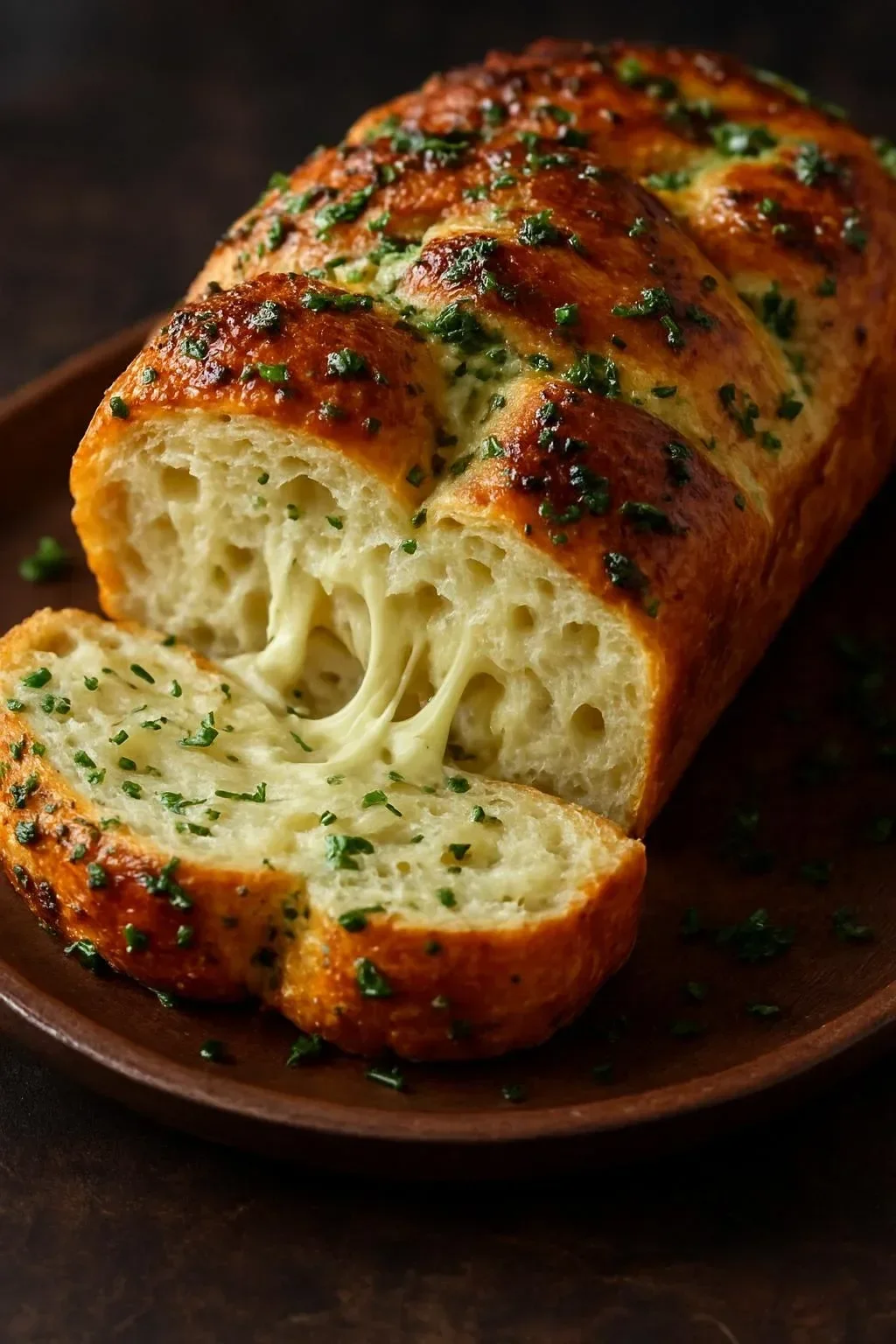
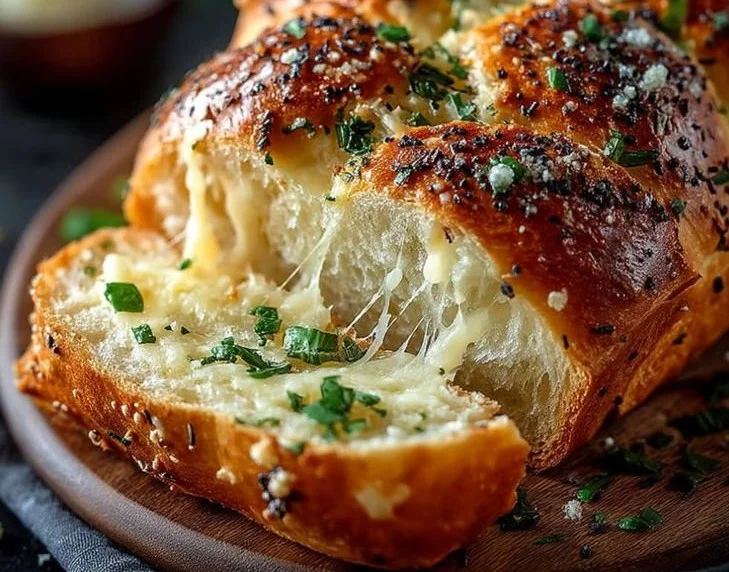
Easy Bread Machine Recipes: Italian Herb and Cheese Bread
Best ingredients to load into the bread pan
Start with bread flour, warm water, active dry yeast, salt, a touch of sugar, olive oil, Italian herb blend, and shredded provolone or mozzarella to make a savory loaf designed for a bread machine. Use room-temperature liquids and measure flour by spooning into the cup to keep the dough hydration consistent for a predictable machine cycle. If you want a quick pairing idea while the machine bakes, try a blueberry spinach smoothie to balance the savory flavors.
Exact ingredient amounts for a 1.5–2 lb loaf
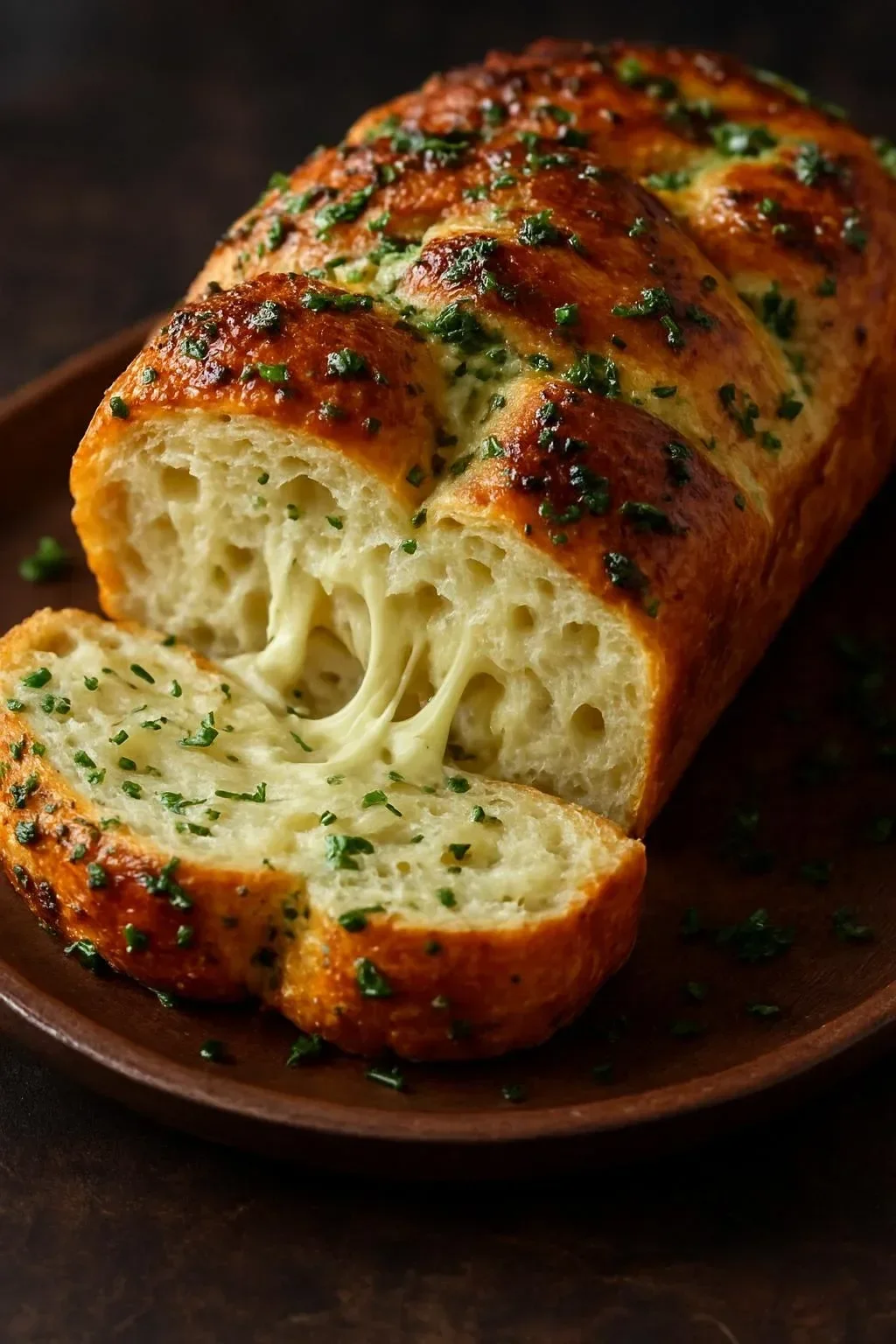
For a standard machine loaf pan (1.5–2 lb): 3 cups bread flour, 1 to 1¼ cups warm water, 2 tsp sugar, 1½ tsp salt, 2 tbsp olive oil, 1 tbsp Italian herb mix, 1 cup shredded cheese, and 2¼ tsp active dry yeast. Add herbs and cheese after the initial knead if your machine has an “add-in” beep; otherwise fold them into the dough by hand before the final rise for even distribution.
Choosing the right cheese and herb blend
Use a mild melting cheese like provolone or low-moisture mozzarella so the loaf stays moist without becoming oily. For herbs, blend basil, oregano, thyme, and a touch of rosemary for classic Italian notes. Dried herbs work best for shelf-life and consistent flavor in a bread machine environment.
Machine cycle, order of ingredients, and timing
Layer ingredients with liquids first, then dry ingredients, salt away from yeast, and yeast on top to prevent early activation. Select “Basic” or “White” cycle with medium crust for a balanced crust and crumb. Expect 3 to 3½ hours total: knead, rise, and bake. If your machine has a “homemade” or “quick” program, reduce yeast slightly and monitor the first rise for proper volume.
How to add cheese and herbs mid-cycle
If your machine signals for add-ins, toss grated cheese and herbs in at the beep to avoid clumping. For machines without a signal, pause after kneading, open the lid briefly, and evenly fold in add-ins with a silicone spatula, then resume the cycle. This keeps cheese from melting into a single pocket and spreads flavor through the crumb.
Texture targets and how to adjust hydration
A loaf made in the machine should feel slightly tacky but not sticky after kneading. Too dry yields a dense crumb; add water 1 tbsp at a time during the initial knead. Too wet causes a flat loaf; remedy with 1 tbsp flour additions between kneads. Adjustments keep the Italian herb and cheese loaf soft inside with a structured crumb.
Serving, pairing, and storage for best flavor
Slice the warm loaf for sandwiches, bruschetta, or to serve with soups and salads for Italian-inspired meals. Store cooled bread in a bread box or tightly wrapped for 2–3 days, or freeze slices for up to 3 months and toast as needed. For a savory weeknight pairing that complements the loaf’s creaminess, consider a quick 10-minute cream cheese pasta that echoes the bread’s cheesy notes.
Simple variations to customize the loaf
Try swapping half the cheese for Parmesan for a sharper finish, add sun-dried tomatoes for color and tang, or fold in sautéed garlic and chopped fresh parsley for brighter flavor. For meal-planning ideas that match the loaf’s rustic profile, explore easy one-pan savory dishes like one-pan gnocchi recipes that pair well with slices of herbed cheese bread.
Troubleshooting common bread machine problems
If the loaf sinks in the center, reduce yeast slightly or check that the dough rose to the dome stage before baking. A gummy interior usually means underbaking; run another 5–10 minutes if the crust forms too soon. Uneven add-ins indicate late folding—distribute cheese and herbs earlier in the process for uniformity.
Conclusion
For a tested recipe and step-by-step guidance, see Italian Herb and Cheese Bread (Bread Machine Recipe) – Tasty Oven which offers clear measurements and photos. For another reliable variation and tips on mix-ins, check Italian Herb & Cheese Bread Recipe from Bread Dad to compare techniques and timing.