20-Minute Homemade Bread
This quick opening explains how to get a fresh homemade loaf from mixing bowl to table in about twenty minutes, with straightforward steps and pantry-friendly ingredients. If you enjoy fast kitchen projects and simple gifts made at home, these homemade gift ideas pair well with a warm loaf straight from the pan.
What a twenty-minute loaf offers at breakfast and dinner
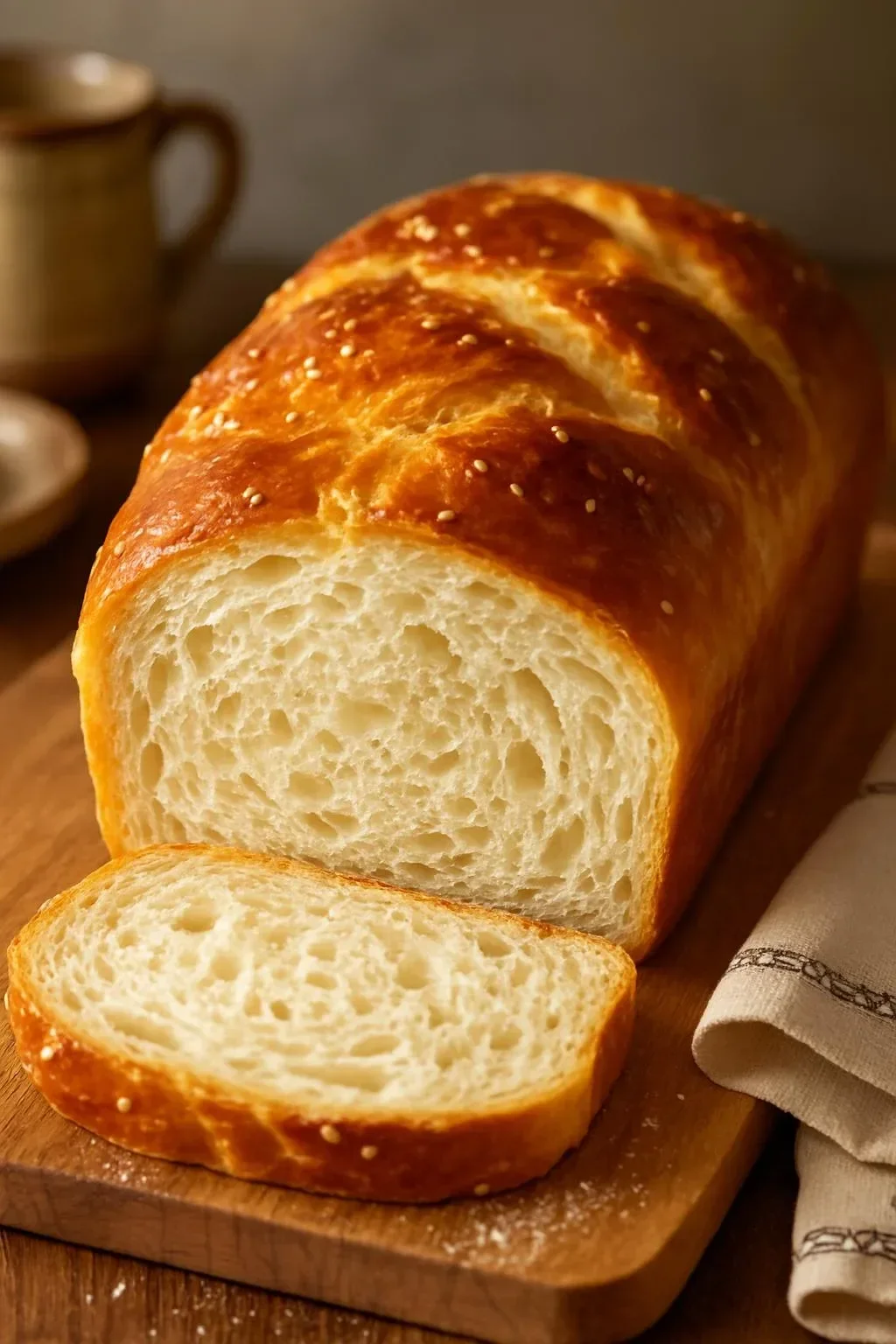
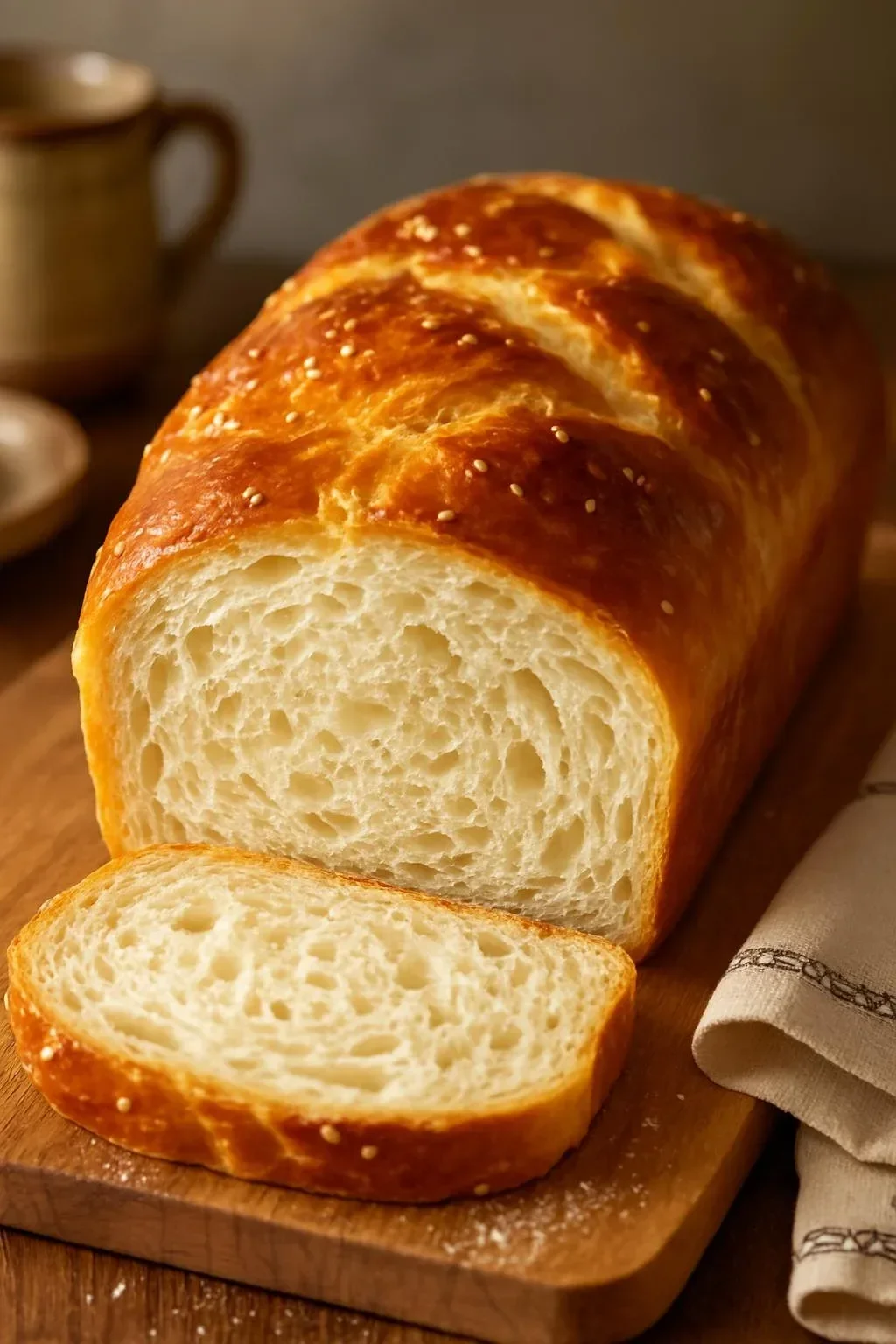
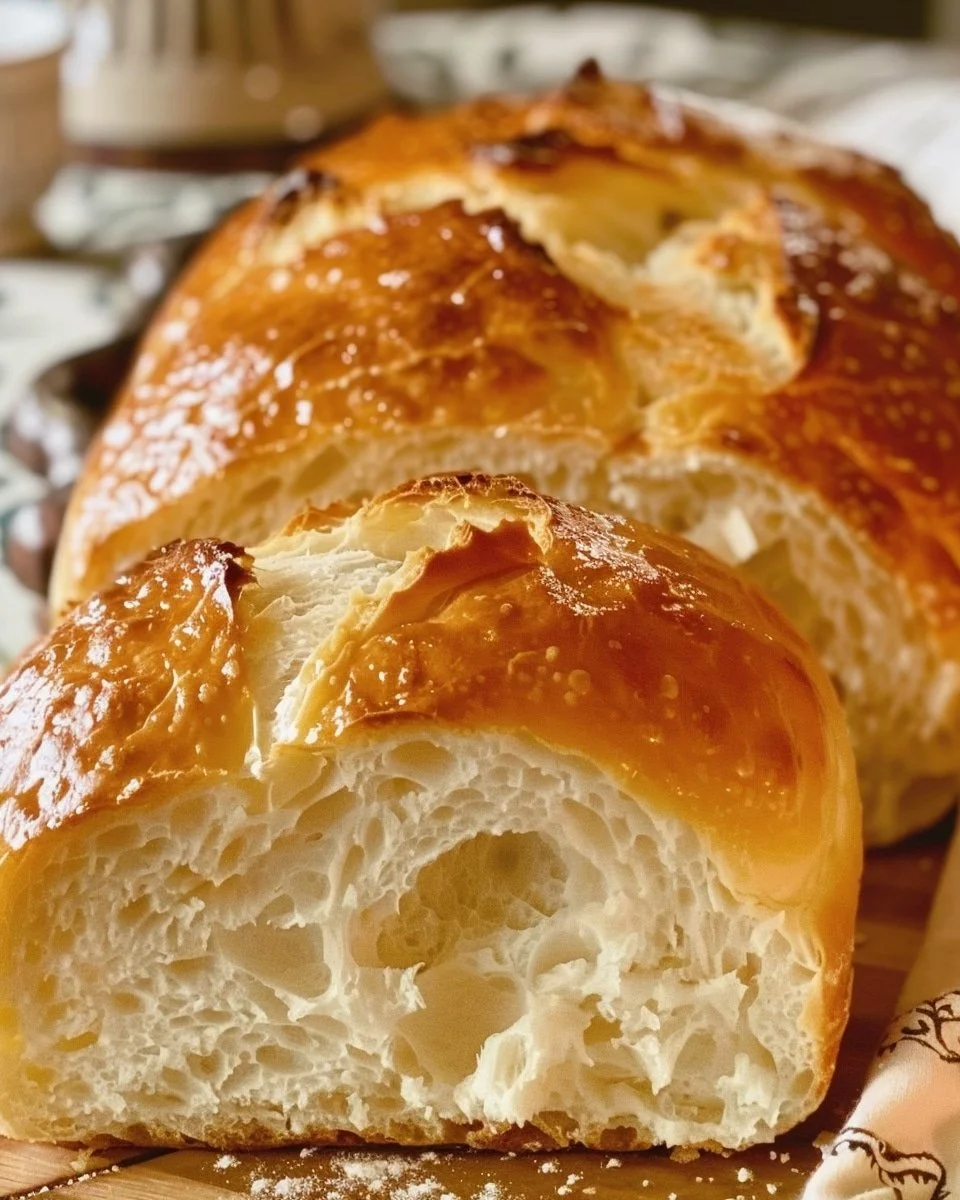
A true twenty-minute loaf focuses on speed and texture: thin crust, tender crumb, and immediate eatability. This approach is best for skillet or quick-bake loaves that don’t require long rising. Expect bread that’s great for dipping, sandwiches, or serving alongside soups where time matters more than artisan crumb structure.
Ingredients and quick swaps to keep timing tight
Use pantry staples and a single-leaven strategy to hit the time target. For one small loaf (serves 2–4):
- 2 cups self-rising flour (or 2 cups all-purpose + 2 tsp baking powder + 1/2 tsp salt)
- 1 cup plain yogurt or buttermilk (room temp)
- 2 tbsp olive oil or melted butter
- 1–2 tbsp honey or sugar (optional, for color)
- Pinch of salt and any herbs or grated cheese for flavor
Self-rising flour saves time; if you only have all-purpose flour, mix in the baking powder and salt right before combining. Yogurt replaces yeast-based rising by giving lift and moisture instantly.
Hands-on mixing and shaping in five minutes
Measure into a mixing bowl, add the yogurt, oil, and sweetener, and fold until a sticky dough forms. No kneading needed—just a few folds to bring everything together. Turn onto a lightly floured surface, shape into a flattened oval or disc about 1 inch thick, and pat seams smooth. Keep shaping time under two minutes to maintain the twenty-minute schedule.
Cooking methods that finish within the time frame
Choose a hot skillet or a preheated oven to finish the loaf quickly.
- Stovetop skillet: Heat a heavy skillet over medium-high, add a little oil, and cook the disc 4–5 minutes per side with the lid on for even cooking. Total cook time 8–12 minutes.
- Oven method: Preheat oven to 450°F with a baking sheet inside. Slide the shaped dough onto the hot sheet and bake 8–10 minutes until golden and hollow-sounding.
Either method allows the loaf to be mixed, shaped, cooked, and cooled enough to serve in about twenty minutes. For a crisper crust, finish skillet loaves briefly under a hot broiler for 30–60 seconds—watch closely.
Fast flavor variations and additions
Add herbs, garlic powder, grated cheese, or chopped olives directly into the dough before shaping. Press sunflower seeds or coarse salt on top for texture. Keep additions modest so they don’t change dough hydration or slow cooking time.
Troubleshooting the fastest loaf
If the interior is gummy, the dough was too thick or cook heat too low—flatten slightly and increase heat. If the outside burns before the center cooks, lower to medium and cover briefly to trap steam. If the loaf is dense, ensure baking powder is fresh or increase yogurt slightly for more tenderness. Small adjustments fix common speed-bake issues without adding time.
Serving, storing, and simple presentation
Serve warm sliced or torn; a quick brush of melted butter or olive oil uplifts the flavor. Wrap cooled leftover slices in foil and store at room temperature for a day or refrigerate for up to two days. For gifting or seasonal bundles, pair a warm loaf with a simple handmade ornament—this easy ornament tutorial makes an approachable pairing for giving a cozy kitchen treat.
Conclusion
For an alternative slow-rise approach that inspires different textures and minimal hands-on time, try the classic no-knead peasant bread recipe, which delivers a rustic crust with longer development. If you’d like a dough-specific quick method closely aligned with this article’s timing, see the detailed Easy 20-Minute Homemade Bread Dough instructions for another practical variation.