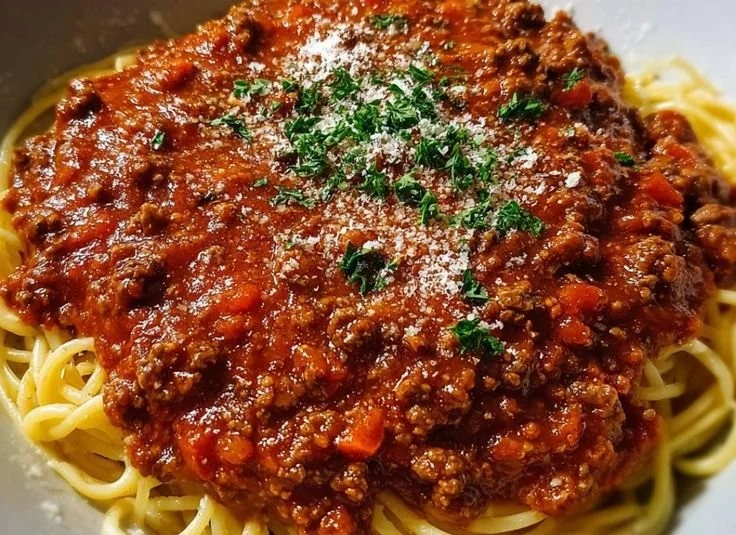
130-Year-Old Italian Spaghetti Sauce (Authentic Family Recipe)
A timeless Italian sauce handed down through generations can teach home cooks how texture, time, and a few simple ingredients combine to create deeply flavored spaghetti sauce that’s stayed relevant for more than a century. This article explains the components, technique, and serving ideas you need to reproduce a genuine 130-year-old Italian spaghetti sauce at home, and it links to complementary recipes to round the meal.
What defines the century-old tomato base
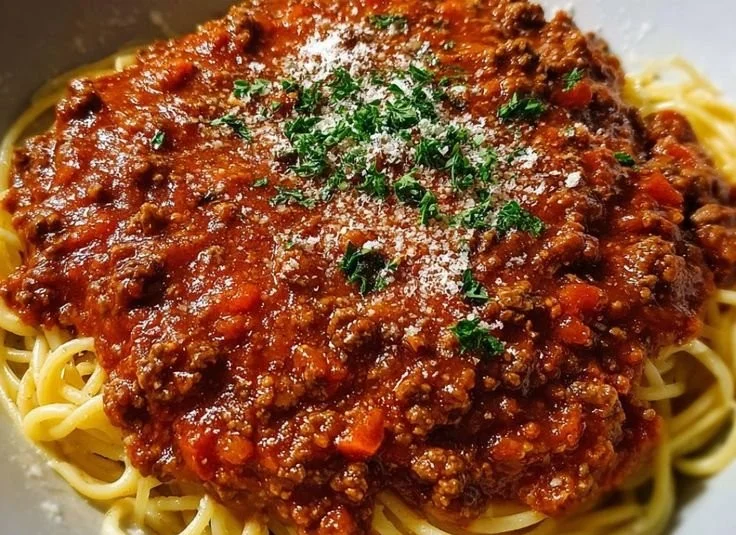
A 130-year-old recipe centers on whole, cooked-down tomatoes, restrained seasoning, and layered slow cooking rather than bright, rapid finishes. Use peeled plum tomatoes or high-quality canned tomatoes, simmered until they concentrate, forming a sauce that tastes of the tomato itself rather than heavy herbs. Gentle salt, a small amount of sugar only if needed to balance acidity, and a final finish of good olive oil are typical elements that preserve the original profile of older Italian sauces.
Meat, aromatics, and fat: the traditional balance
Older Italian spaghetti sauces often include a light soffritto—onion, carrot, and celery—sweated in fat to build a savory base. Some family recipes add small amounts of ground beef or pork early in the cook to deepen flavor without making it a heavy ragù. Keeping meat sparse and finishing with olive oil or a knob of butter lets the tomatoes remain the star as intended by the vintage recipe.
Proportions and pantry essentials to recreate the original
For a faithful recreation, start with roughly 28–32 ounces of whole tomatoes per pound of strained final sauce, one medium onion, half a carrot, one celery stalk, two to three tablespoons of olive oil, and a pinch of salt. Avoid overpowering herbs early; add a bay leaf or a sprig of oregano during simmering and reserve basil for the end to preserve clarity. Small, precise quantities and short ingredient lists reflect how the 130-year-old sauce keeps its character.
Slow-simmer technique that builds depth
The hallmark of the historical method is time: a long, gentle simmer that breaks down tomato fibers and integrates flavors. Sweat aromatics in olive oil until translucent but not browned, add tomatoes and a splash of water if necessary, then simmer on very low heat for 1.5 to 3 hours, stirring occasionally. If using a bit of ground meat, brown it first to develop fond, then deglaze and continue the slow cook so the meat enriches the sauce without dominating it.
Texture finishing and seasoning matters
Finishing touches echo traditional practice: taste and adjust only at the end, strain or crush for the preferred texture, and finish with a drizzle of olive oil or a small pat of butter for silkiness. The 130-year-old approach favors a balanced acidity and a clean tomato-forward flavor, so avoid heavy cream or excessive herbs that mask the sauce’s original intent.
Serving, storage, and modern pairings
Serve the sauce spooned over al dente spaghetti or a sturdy short pasta; reserve fresh basil for garnish. Leftovers develop more complexity after a day and freeze well in portioned containers. For a complete meal that honors the sauce while offering practical sides, consider pairing with warm herb bread or a creamy baked pasta alternative. For an easy bread to serve alongside, try a simple machine-made Italian herb cheese bread recipe to soak up the sauce: Italian herb cheese bread recipe.
Modern adaptations that respect tradition
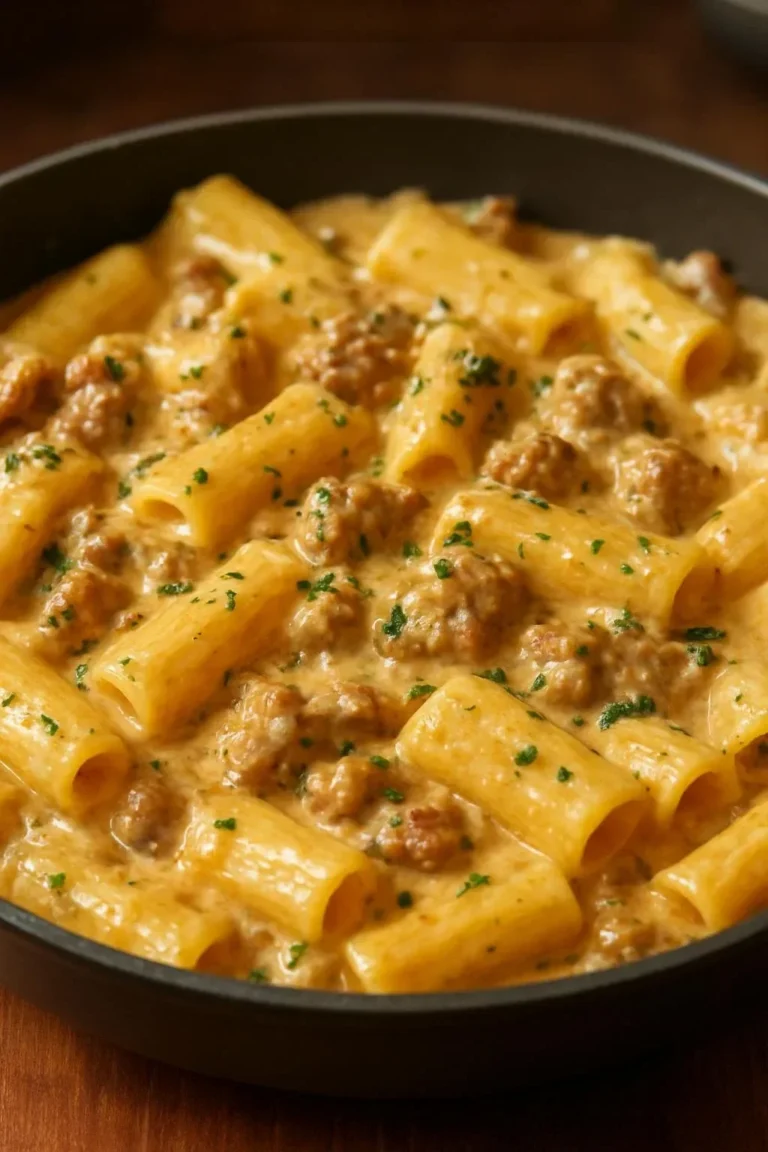
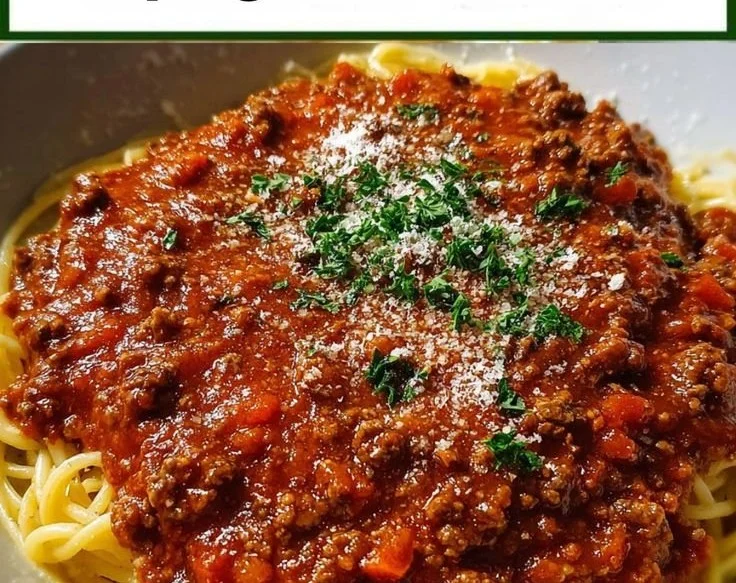
Small, thoughtful changes let you adapt the 130-year-old formula for today’s kitchens: use roasted tomatoes for an added caramel note, add a splash of red wine during deglazing, or incorporate a modest amount of Italian sausage when you want a heartier version. If you prefer a creamy pasta alternative that leans on similar Italian flavors, consider a rich rigatoni variation as a complementary dish: creamy Italian sausage rigatoni. For quick weeknight alternatives inspired by this sauce’s flavor economy, a fast noodle dish can offer a totally different pace: 10-minute soy sauce fried noodles for busy nights.
Conclusion
If you want context on a historic, long-loved recipe similar to this approach, see The Kitchn’s review of a historic bolognese recipe for perspective on classic Italian meat-and-tomato techniques. For a popular write-up that highlights why a 130-year-old Italian spaghetti sauce still appeals today, read this feature from Yahoo: Yahoo’s feature on the 130-year-old Italian spaghetti sauce.